OptiLinker
OptiLinker
OptiLinker
Engineered for mission-critical reliability, low insertion loss, and seamless hardware interoperability.
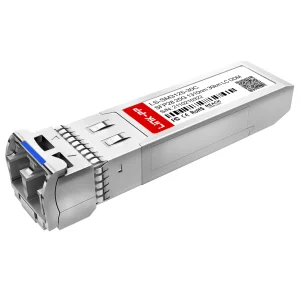
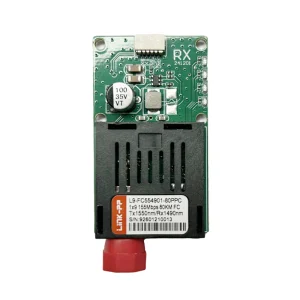
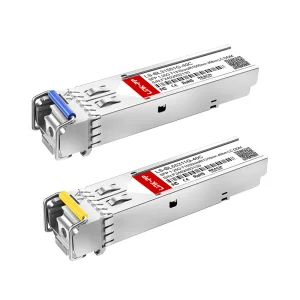
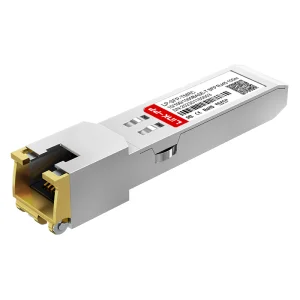
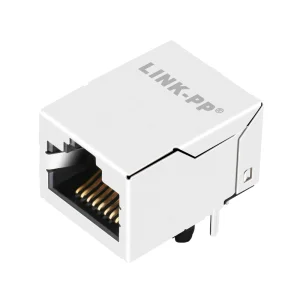
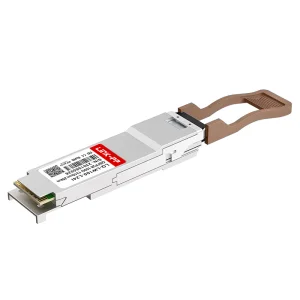
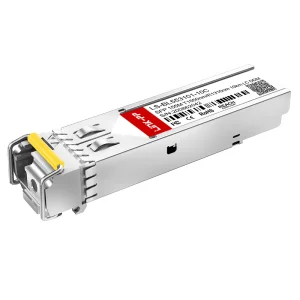
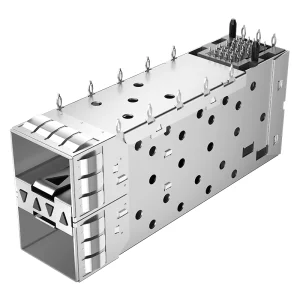
The Pivotal Role of RJ45 Clip Connectors and Advanced Electro-Optic Modular Architecture in Modern Networking
In the digital age, where global enterprise infrastructure relies on hyperscale datacenters, high-frequency trading networks, and industrial IoT (Internet of Things), the physical layer remains the absolute baseline of system stability. The performance of a network is only as strong as its weakest physical link. Among these physical nodes, RJ45 clip connectors, magnetic jacks, and optoelectronic transceiver interfaces act as the primary gates of data transmission. Even minor mechanical failures, electromagnetic interference (EMI), or material degradation within these modules can trigger packet drops, transmission latency, and catastrophic downtime.
Understanding the strict structural engineering of RJ45 clip connectors and integrated copper-to-fiber modular systems is a key requirement for modern network architects. Industrial-grade RJ45 clips are engineered to withstand continuous vibration, frequent insertion cycles, and harsh environmental factors without compromising mechanical retention or signal integrity. These connectors rely on premium polycarbonate housing materials, spring-loaded lock designs, and micro-inch gold-plated contact pins. When combined with advanced optical transceivers, they bridge the gap between long-distance fiber networks and local copper systems, providing a complete physical layer solution.
A premier manufacturer and solution provider specializing in high-speed optical modules and copper interconnect systems.
Founded in 2016, OptiLinker Optoelectronics Co., Ltd. (OptiLinker) operates under the brand name OptiLinker (www.optilinkertrans.com). With 12 years of industry experience and approximately 8 years of export operations, we provide high-speed optical communication modules and precision RJ45 interface solutions to operators, datacenters, and system integrators worldwide. Our 320㎡ modern production facility is backed by a professional QC team of 35 specialists who enforce a strict 100% incoming material inspection, automated optical inspections (AOI), and comprehensive optical performance testing.
The global dominance of Chinese electronics manufacturing is not just a factor of scale, but a result of deep ecosystem integration, advanced precision toolmaking, and unparalleled supply chain agility. When sourcing RJ45 clip connectors and copper-to-fiber modules from specialized Chinese manufacturers like OptiLinker, international enterprises gain several strategic advantages:
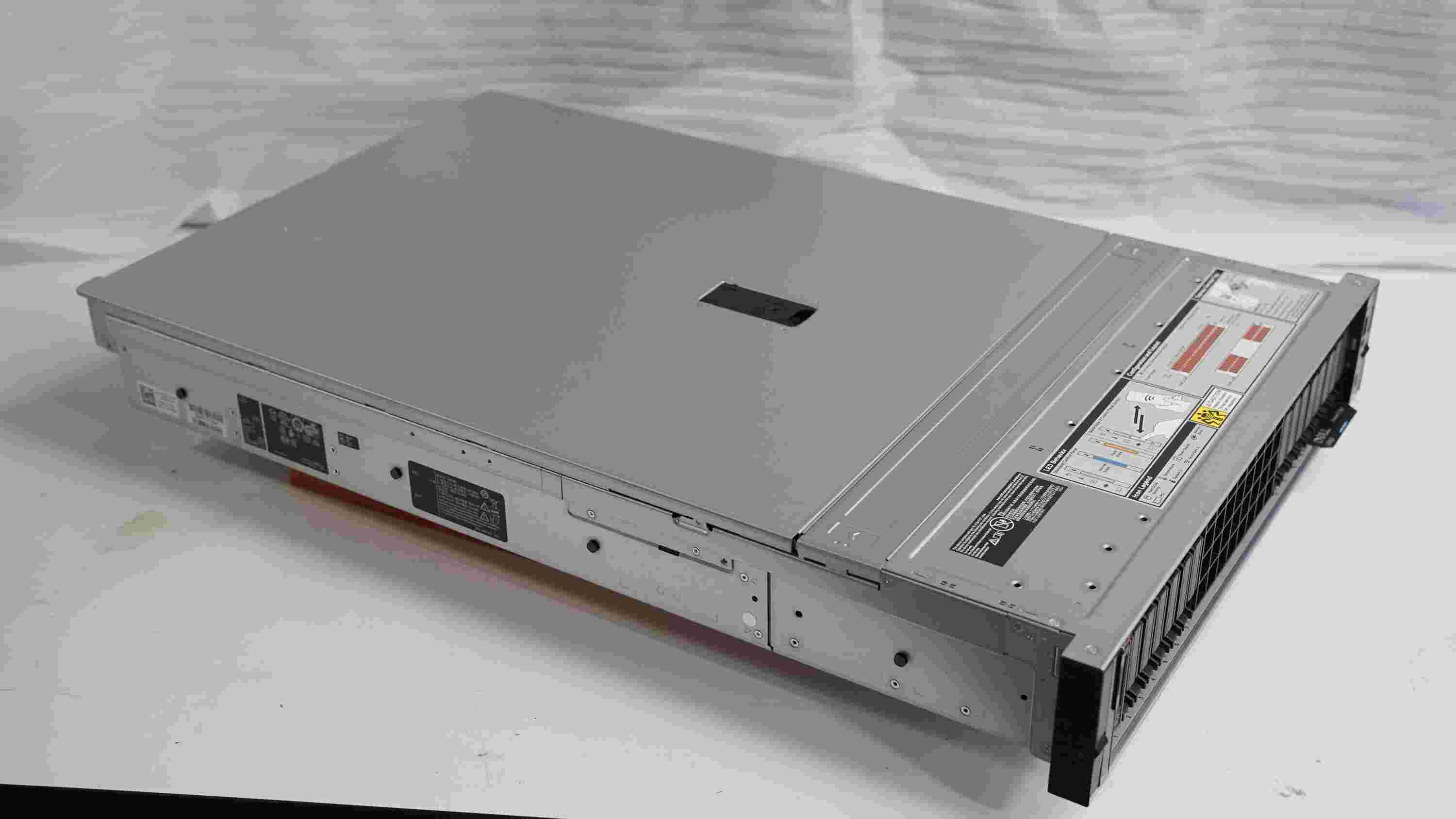
A visual insight into OptiLinker's precision manufacturing, automated assembly lines, and rigorous quality verification labs.

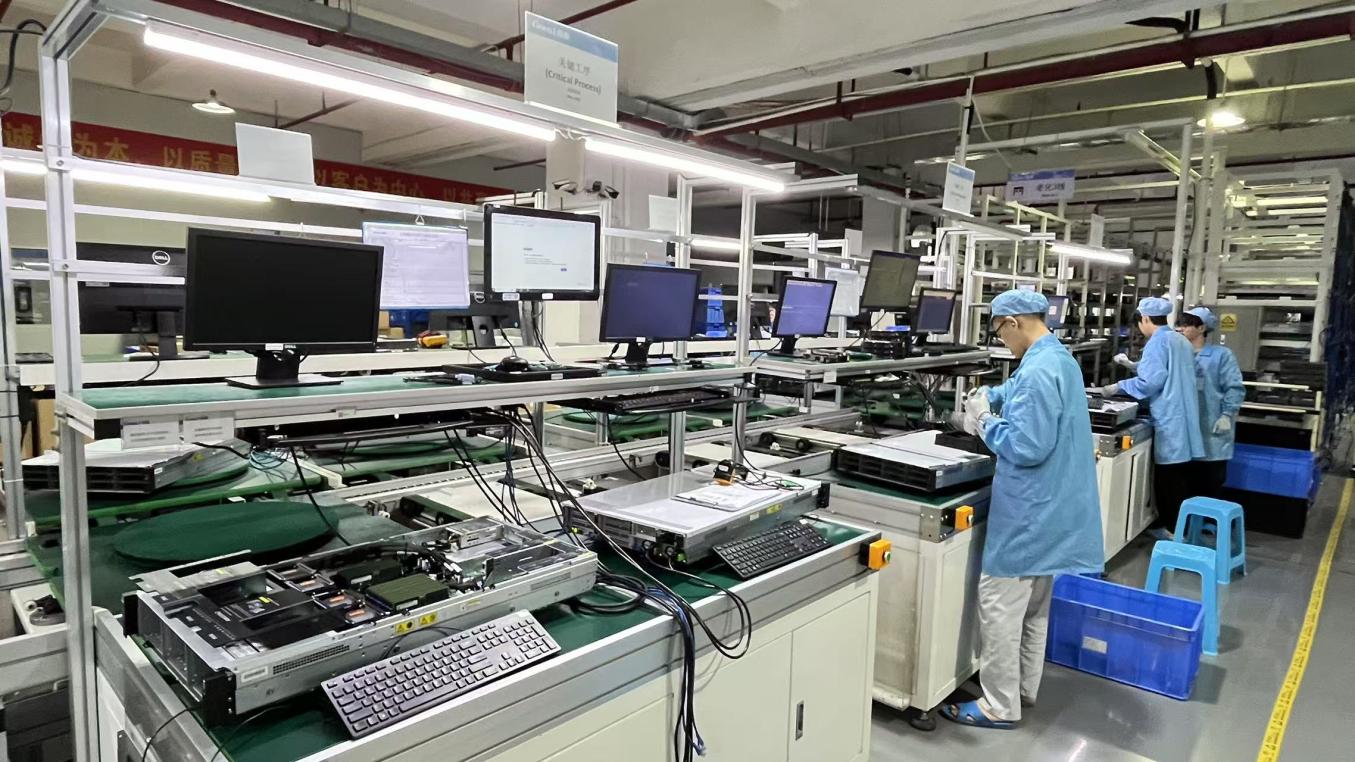
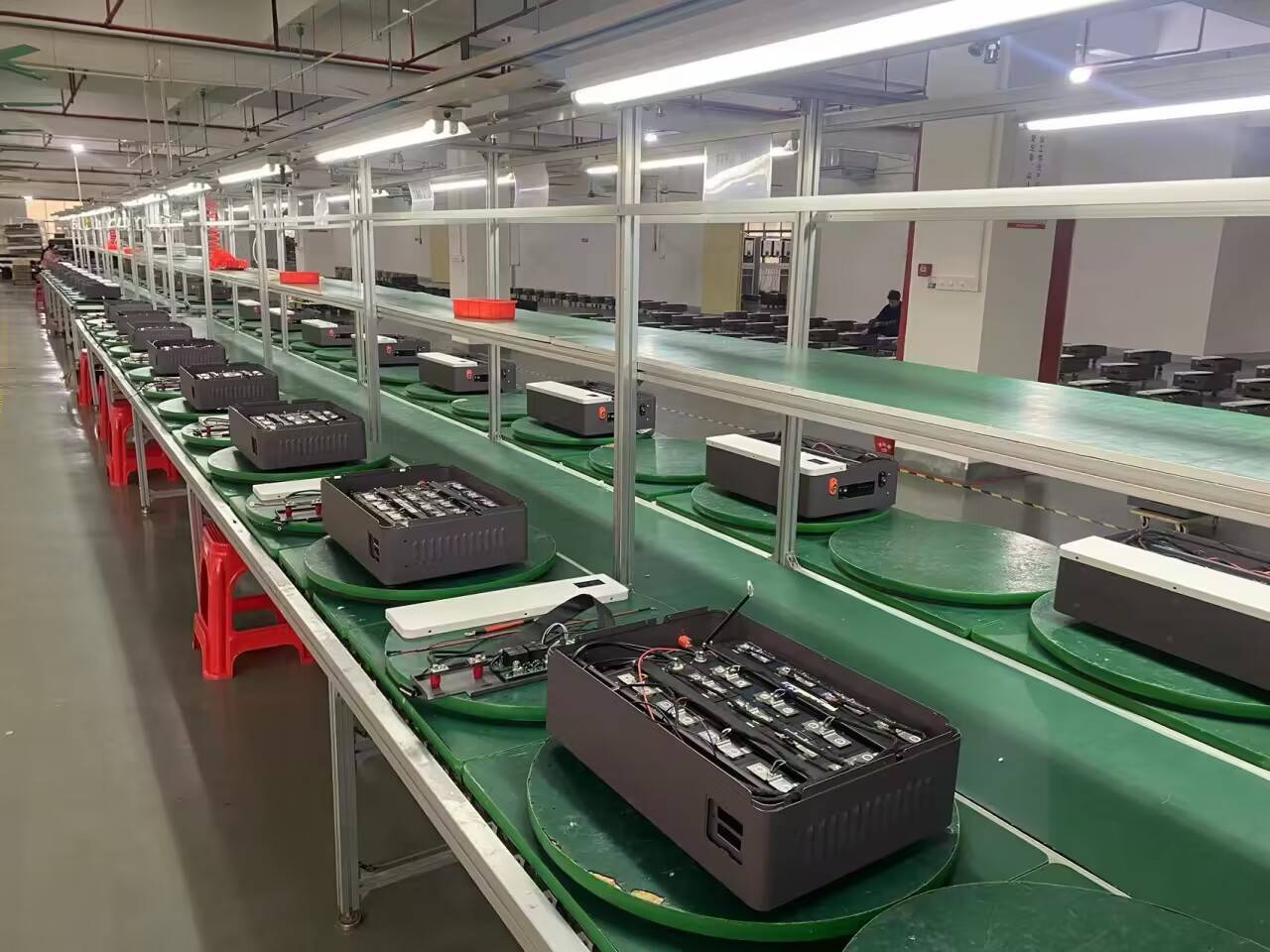
The technological shift toward multi-gigabit copper, hybrid electro-optical solutions, and high-density packaging.
The expansion of Wi-Fi 6E, Wi-Fi 7, and advanced 5G small cells has driven the adoption of 2.5G, 5G, and 10G Base-T interfaces. RJ45 connectors are engineered with improved shielding to prevent crosstalk at these high frequencies.
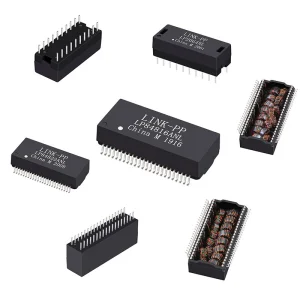
Industrial settings require advanced EMI shielding. Modern RJ45 jacks feature multi-point grounding tabs and integrated magnetic transformers, protecting sensitive PHY chips from voltage surges and electromagnetic noise.
Modern datacenters leverage SFP+ to RJ45 media converters, allowing legacy copper infrastructure to interface with high-speed optical backplanes. This enables structured upgrades without requiring complete cabling overhauls.
When designing or upgrading network infrastructure, understanding the physical properties and performance characteristics of copper connections (RJ45) and optical connections (SFP/QSFP) is crucial. The table below outlines key parameters of modern physical layer interfaces:
| Interface / Module Type | Physical Connector | Max Transmission Distance | Typical Application Scenario | Key Advantage |
|---|---|---|---|---|
| 1000BASE-T Copper SFP | RJ45 (with integrated clip) | 100 meters | LAN links, server-to-switch copper patching | Highly cost-effective, utilizes standard CAT6/6A copper cabling |
| 25G SFP28 Optical Module | Duplex LC (Single Mode Fiber) | Up to 30 km (1310nm) | 5G fronthaul networks, metro core routing | Low attenuation, high-speed data transmission over long distances |
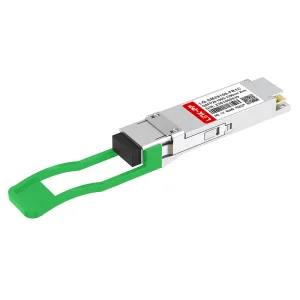
| 100G QSFP28 Transceiver | Duplex LC / MPO | 2 km to 20 km (SMF) | Hyperscale datacenter spine-leaf interconnects | Ultra-high bandwidth density, reduced cable routing footprint |
| Integrated RJ45 Magnetics (PoE) | RJ45 PCB Mount | 100 meters | IP cameras, VoIP phones, Smart building automation | Combines power and high-speed data in a single, shielded port |
OptiLinker's product portfolio is engineered to resolve critical connectivity issues across diverse operational environments:
In modern cloud datacenters, space and heat dissipation are critical parameters. By integrating high-performance SFP+ and QSFP28 optical transceivers into the top-of-rack (ToR) switches, operators can link servers using single-mode optical fibers over distances up to 30km with low latency. Concurrently, high-speed RJ45 magnetic modules are used for management networks, providing robust grounding and EMI isolation.
Factory floors are demanding environments with extreme temperatures, vibration, and EMI from heavy machinery. Our industrial-grade QSFP28 modules and shielded RJ45 magnetic connectors are designed to operate reliably in these conditions. They maintain consistent physical connection integrity, ensuring continuous operation for real-time monitoring and control systems.
Telecommunications operators require long-distance transmission modules that maintain low Bit Error Rates (BER) over time. OptiLinker's single-mode BiDi (Bidirectional) transceivers enable dual-wavelength transmission over a single optical fiber, reducing fiber deployment costs by 50% while supporting distances up to 80km.
A guide for international procurement officers on sourcing high-compliance physical layer hardware.
Sourcing physical network components involves navigating technical specifications, regulatory compliance, and supply chain logistics. Procurement managers must verify that manufacturers adhere to global standards to ensure long-term reliability and cross-vendor compatibility.
1. Compatibility Certification: The primary risk of sourcing third-party optical modules is hardware lockout or coding incompatibility. OptiLinker solves this by offering custom firmware programming, ensuring compatibility with major global networking brands. This validation is completed in our testing facility using original host equipment.
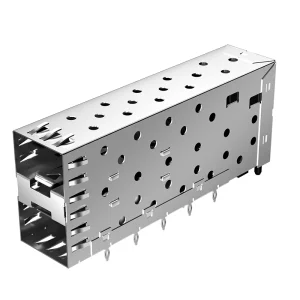
2. Compliance & Standards: All hardware must comply with relevant international standards, including RoHS (Restriction of Hazardous Substances), CE, FCC, and UL. Our RJ45 PCB connectors and SFP cages are manufactured using lead-free processes and UL94-V0 rated flame-retardant plastics, ensuring safety and compliance in enterprise environments.
3. Supply Chain Security: Having a reliable supply chain is critical to avoiding project delays. OptiLinker's structured inventory and relationships with 850 raw material suppliers enable us to maintain stable lead times, even during periods of high market demand.
Expert answers regarding RJ45 clip connectors, optical transceivers, and electrical-optical networking standards.
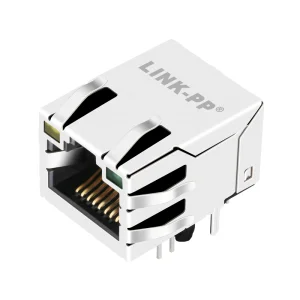
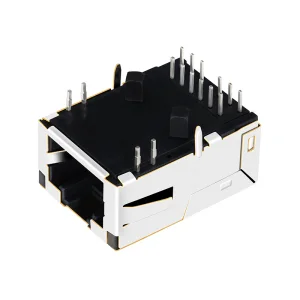
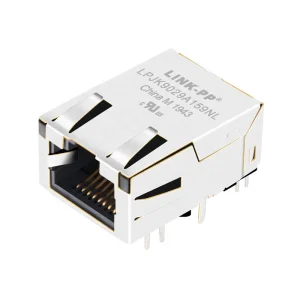
Industrial RJ45 clip connectors are manufactured using high-elasticity polycarbonate resins that can withstand over 1,000 mating cycles without snapping. They feature enhanced shielding cages with grounding tabs to reduce EMI, and the internal contacts are gold-plated up to 50 micro-inches. This maintains low contact resistance and prevents oxidation in high-humidity environments.
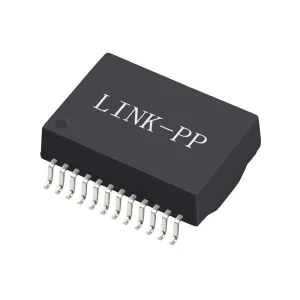
Integrated magnetic RJ45 jacks (such as the L829-1G1T-43) combine a physical RJ45 connector with magnetics, including common-mode chokes and isolation transformers. These components isolate the network PHY chip from external voltage spikes, electrostatic discharges (ESD), and common-mode noise. This ensures reliable data transmission in environments with electrical interference.
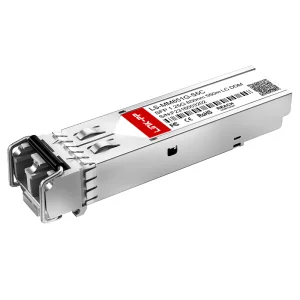
Yes. Copper SFP modules convert the electrical signals of standard 10/100/1000Base-T Ethernet into the optical-compatible electrical interfaces of an SFP port. This allows operators to use existing copper cabling to connect to switches that only feature SFP cages, providing flexibility in hybrid copper-fiber network deployments.
Every optical module undergoes a series of QA tests, including 100% incoming material inspection, Automated Optical Inspection (AOI), Bit Error Rate (BER) testing, eye diagram analysis, and thermal cycling tests (ranging from industrial -40°C to +85°C where applicable). This ensures consistent performance in different operating environments.
Integrated PCB solutions, magnetic transformers, and shielded cages for stable network links.