OptiLinker
OptiLinker
OptiLinker
Explore our precision-engineered physical layer components, including optical transceivers, integrated magnetics, and multi-port connectors designed for absolute structural reliability.
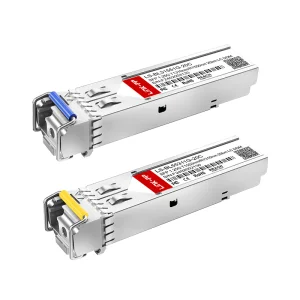
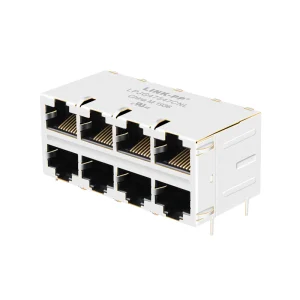
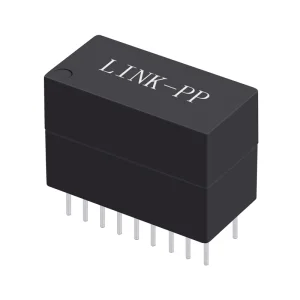
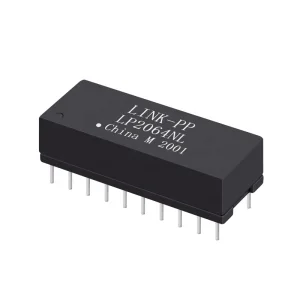
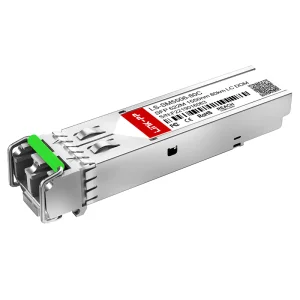
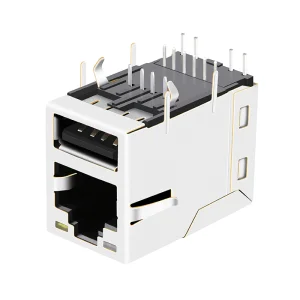
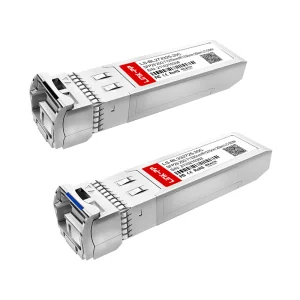
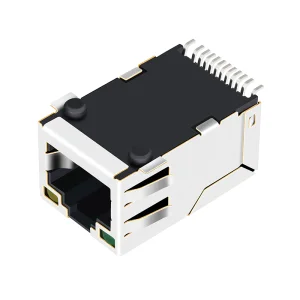
The modern digital landscape operates on a hybrid architecture where the reliability of copper physical-layer contacts (such as RJ45 connectors) directly dictates the efficacy of ultra-high-speed fiber network backbones. As global industries upgrade their infrastructures, the demand for high-performance copper-to-fiber integration interface modules has escalated. An RJ45-to-Ethernet adapter system is not merely a structural medium; it is an engineered component managing impedance matching, signal isolation, and electromagnetic interference (EMI) containment.
From the integration of magnetic transformers in single-port RJ45 jacks to multi-port arrays hosting USB combination nodes, B2B procurement managers face complex challenges. Components must maintain compliance with IEEE 802.3 standards while enduring high vibration, thermal variation, and electrical surges. Partnering with a supplier capable of optimizing transceiver interfaces ensures long-term operational viability and mitigates network packet loss.
Copper interfaces remain the primary vehicle for edge delivery and terminal distribution. By integrating magnetics (such as LAN transformers) directly into RJ45 connector housings, system integrators eliminate parasitic capacitance, improve Common Mode Rejection Ratio (CMRR), and save PCB space.
The convergence of Ethernet transport speeds requires constant adaptation. In the early days of networking, standard Fast Ethernet (10/100 Base-T) sufficed. Today, industrial control systems demand Gigabit Ethernet (1G to 10G Base-T) with Power over Ethernet (PoE+ / PoE++) to deliver both high-speed data and drive up to 90W of power directly to remote terminal nodes.
At the enterprise level, the transition from copper-based local networks to high-capacity optical transport is seamless. Transceivers bridging SFP+ 10G, SFP28 25G, and QSFP-DD 400G interfaces must operate in lockstep with localized copper switches. Our development roadmap targets the integration of next-generation physical interfaces designed to handle high frequency while maintaining signal integrity at lower operating temperatures.
| Interface Class | Data Rate | Primary Medium | Key Applications |
|---|---|---|---|
| Base-T (RJ45) | 10/100/1000 Mbps | Cat5e/Cat6 Copper | Edge LAN, IoT, IP Cameras |
| SFP+ / SFP28 | 10 Gbps / 25 Gbps | SMF/MMF Fiber | Data Center Uplinks, Metros |
| QSFP+ / QSFP28 | 40 Gbps / 100 Gbps | Multi-Lane Fiber | Enterprise Core, Cloud Servers |
| QSFP-DD | 400 Gbps | Coherent Optical | Hyper-scale Cloud Centers |
Analyzing how localized manufacturing clusters in China provide exceptional scaling capabilities, rigorous testing structures, and lead-time optimization for international logistics.
By integrating manufacturing steps within major industrial zones, we secure access to high-purity copper, optical fiber cores, ceramic ferrules, and premium semiconductors. This direct supply chain access insulates production from international market fluctuations.
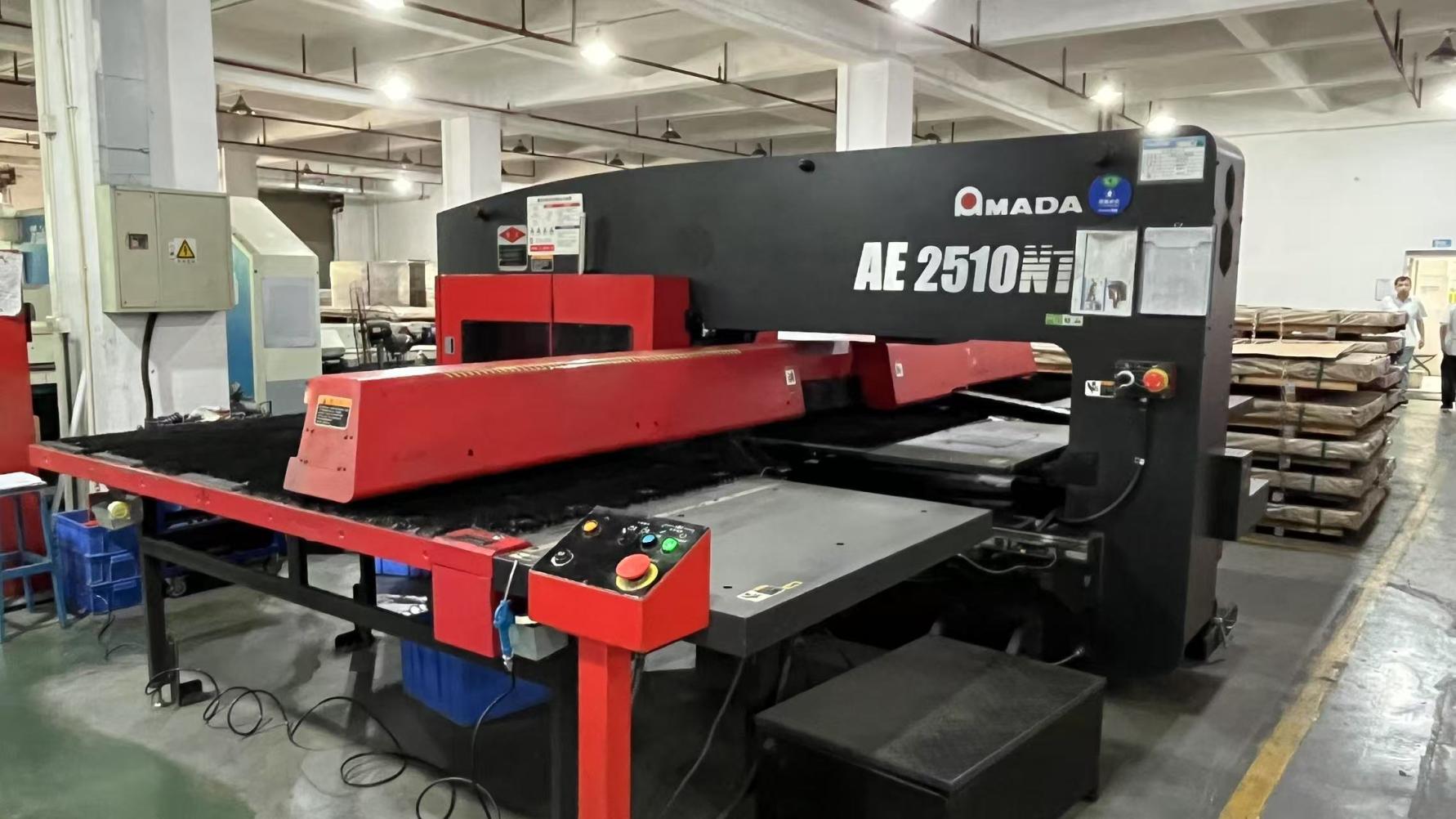
Leveraging Automated Optical Inspection (AOI), high-speed wire winding machines, and robotic soldering systems ensures that each port terminal and SFP connection meets precise industrial tolerance levels before leaving the factory.
With standard containerized shipping corridors, custom clearance workflows, and warehousing, components are packaged under ESD-safe environments and dispatched to global distribution centers with minimal turnaround times.
Our products are deployed in various settings, from industrial automation lines to high-throughput data centers.
Under the harsh conditions of factory floors, our integrated RJ45 magnetic connectors and telecom LAN transformers provide galvanic isolation, preventing damage from high voltage spikes while keeping data transfer clean.
Outdoor cellular small cells and distributed antenna networks rely on optical fiber backhaul connected to localized copper-switched hardware. Single-mode SFP transceivers (covering distances up to 80km) bridge this physical gap.
To support high computation workloads, server racks utilize 100G QSFP28 and 400G QSFP-DD interfaces for optical link aggregation. Double-layer multi-port RJ45 connectors handle high-density management connections on the control plane.
OptiLinker Optoelectronics Co., Ltd. (OptiLinker) is a professional optical transceiver manufacturer and solution provider under the brand OptiLinker (www.optilinkertrans.com), specializing in high-speed optical communication modules for global data center and telecom applications.
Founded in 2016, OptiLinker operates a modern production facility with a total building area of approximately 320㎡. With continuous development in optical communication technology, the company has accumulated over 12 years of industry experience and approximately 8 years of export experience.
In the past year, OptiLinker achieved an annual export revenue of around USD 12 million, serving customers across North America, Europe, Southeast Asia, and the Middle East. The company maintains a strong global B2B trade background, focusing on OEM/ODM partnerships with network infrastructure providers.
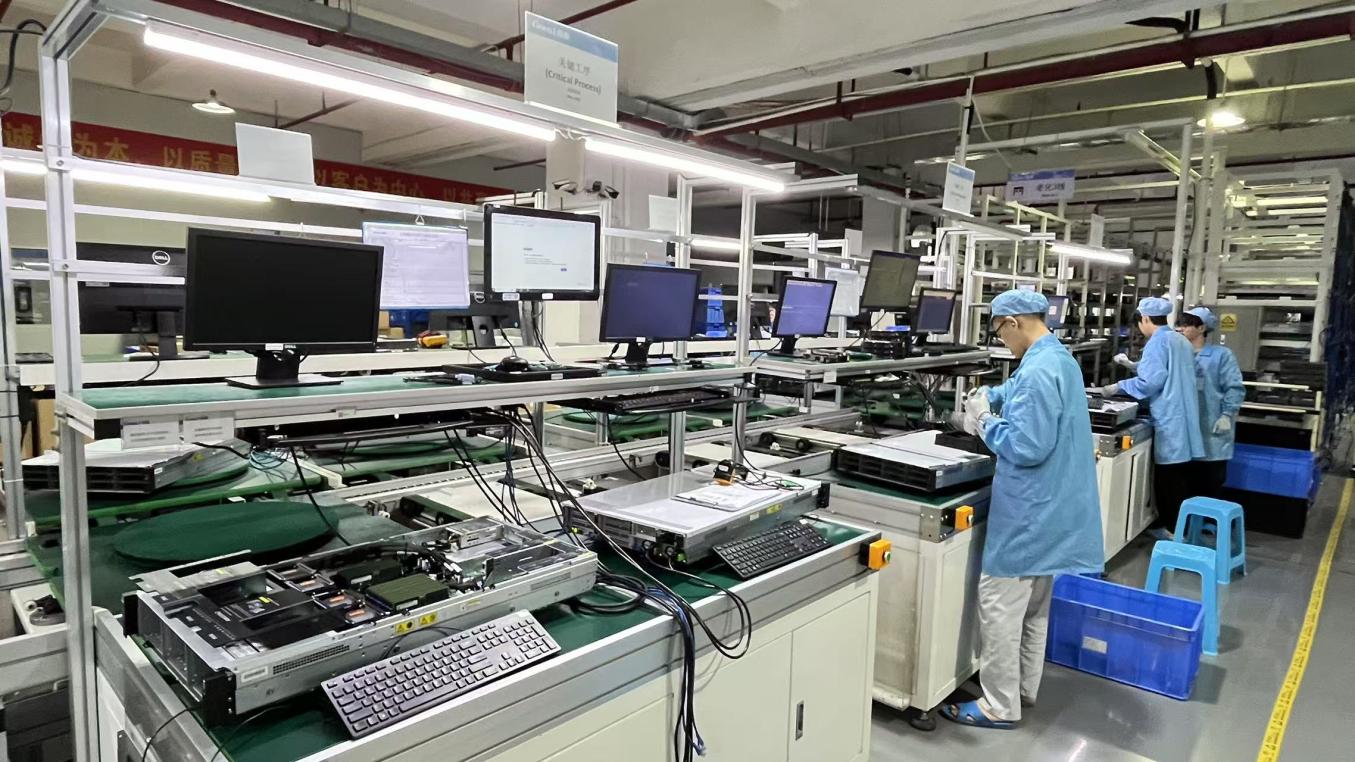
Quality assurance is a core focus at OptiLinker. The company implements 100% incoming material inspection, AOI automated optical inspection, and full optical performance testing. Product verification includes BER testing, eye diagram analysis, and high/low temperature cycling tests, ensuring stable performance under demanding network environments. The quality control team consists of 35 dedicated QC professionals.
OptiLinker collaborates with a global supply chain network of approximately 850 partners, enabling efficient sourcing and stable production capacity. Its main customer base includes telecom operators, data centers, system integrators, and networking equipment manufacturers.
The company has strong R&D capabilities, supported by a team of 60 experienced optical engineers. Its engineering team specializes in high-speed optical design, signal integrity optimization, and protocol compatibility development. OptiLinker offers flexible customization options including wavelength tuning, transmission distance, packaging form factors, firmware coding, and device compatibility programming.
In the last year alone, OptiLinker launched approximately 120 new optical transceiver products, reflecting its continuous innovation and rapid response to market demand.
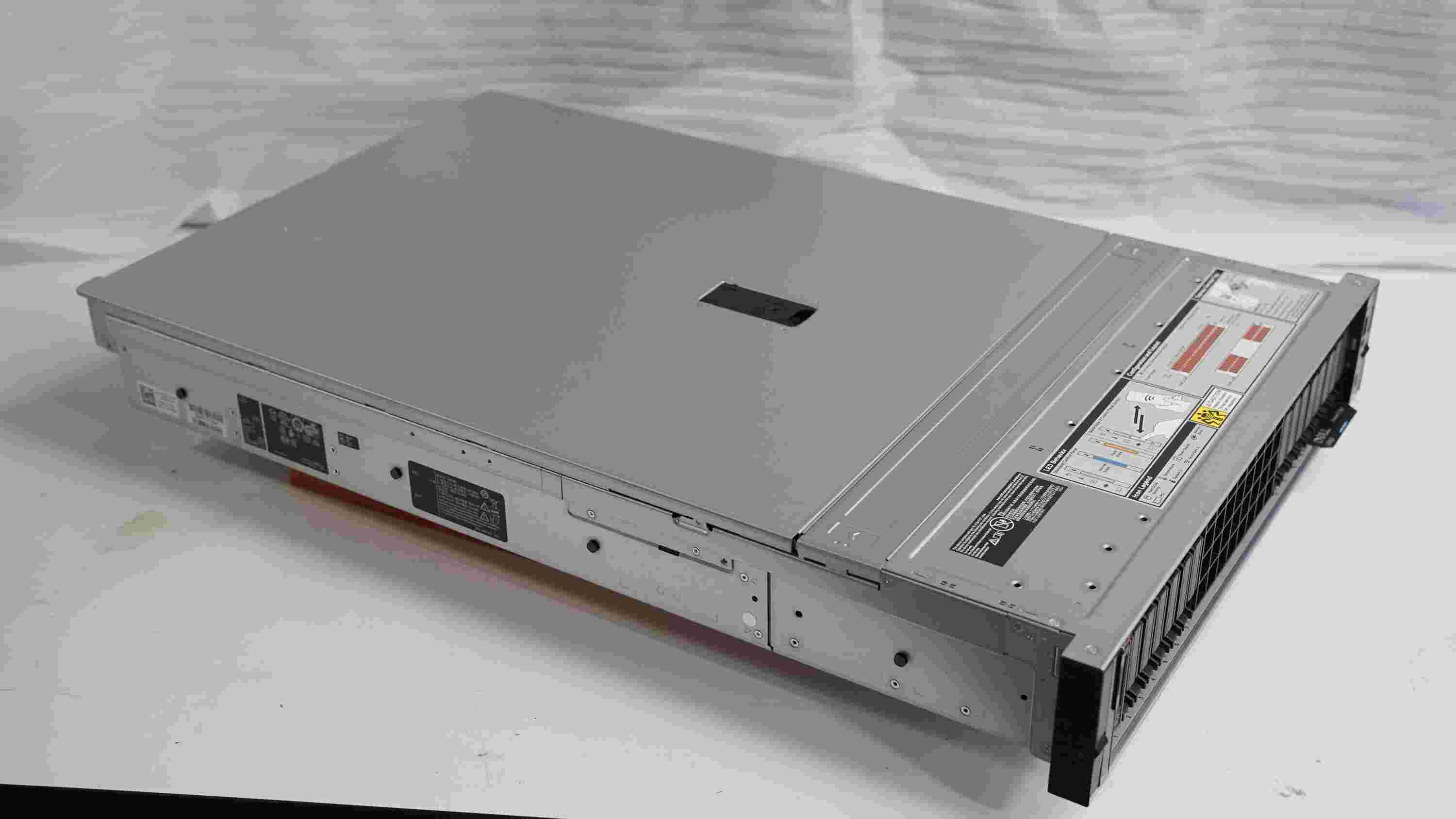
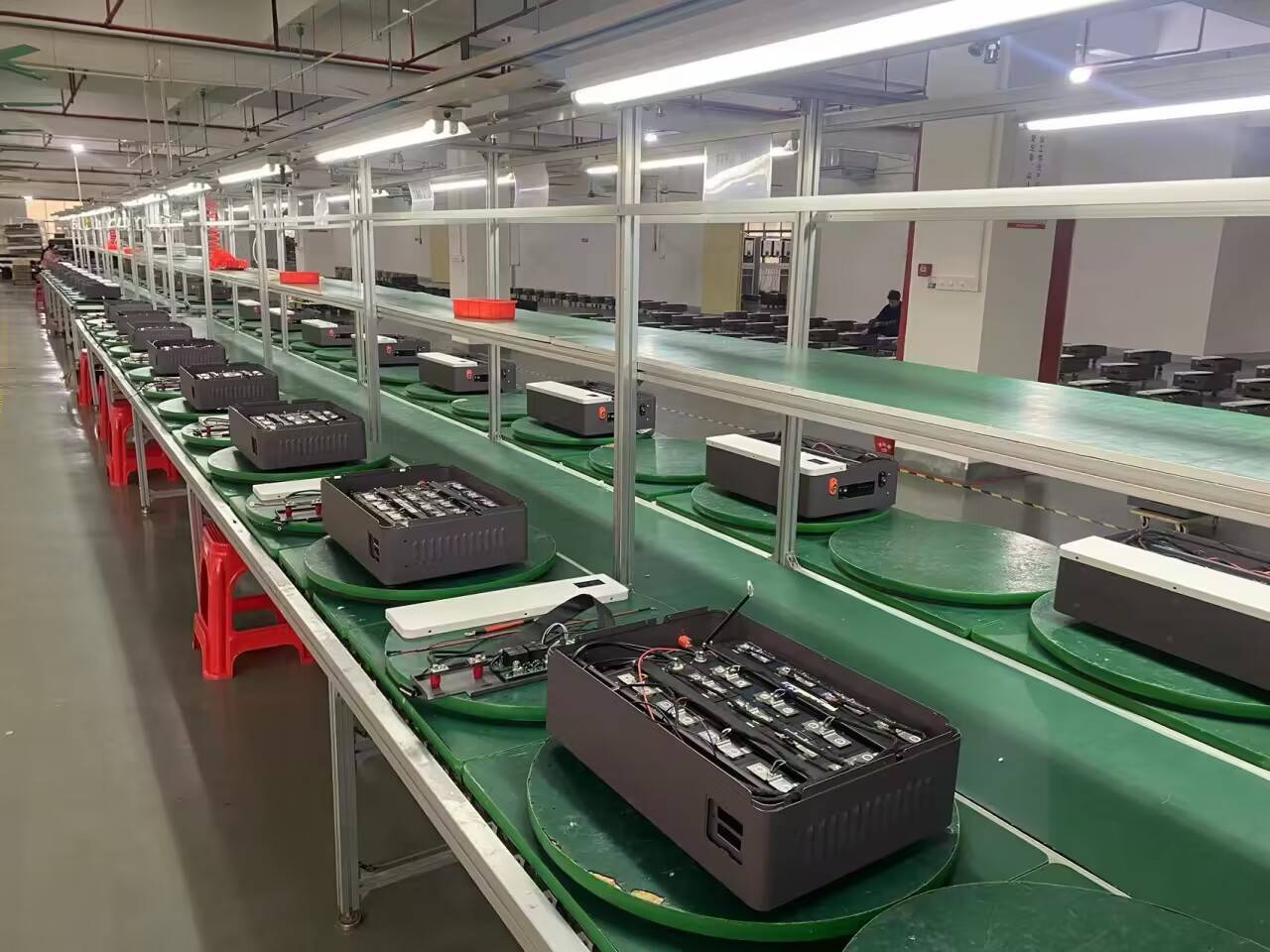
Our quality management system is designed to provide stable physical interfaces and optical modules:
All hardware components comply with international standards to ensure straightforward network integration:
Delivering high-reliability components to markets in North America, Europe, and Asia requires compliance with regional engineering standards. From safety directives such as CE, FCC, and RoHS to UL94 V-0 flammability ratings for plastics used in multi-port RJ45 housings, we ensure every part is verified.
Our engineering teams support customers through customized hardware validation. By programming EEPROM memory directly on SFP transceivers, we prevent vendor lock-in and ensure compatibility with switches, routers, and host network interface cards. This attention to detail reduces configuration issues during deployment.
Technical answers to common B2B procurement and integration queries regarding RJ45 connectors and high-speed optical transceivers.
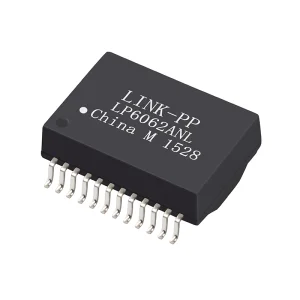
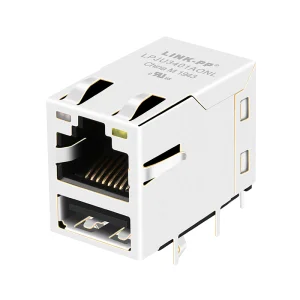
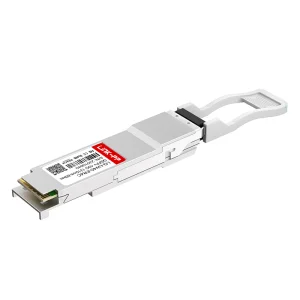
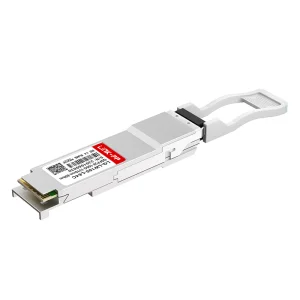
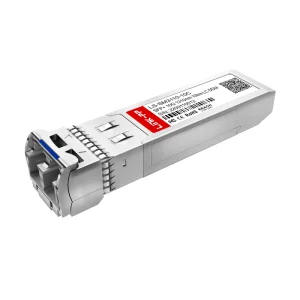
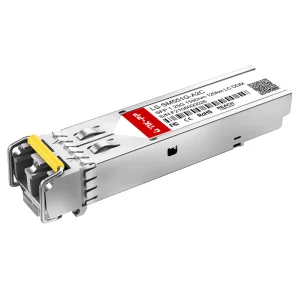
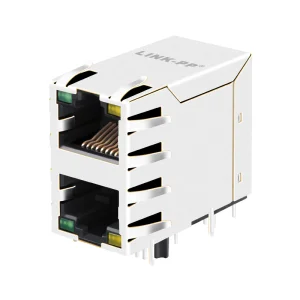
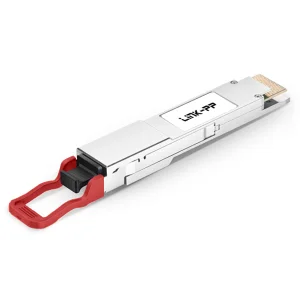
A selection of high-speed transceiver components, multi-port connectors, and LAN transformers for high-capacity network systems.