OptiLinker
OptiLinker
OptiLinker
Explore our high-performance copper connectors, shielded SFP cages, and advanced transceiver modules engineered for zero packet loss.
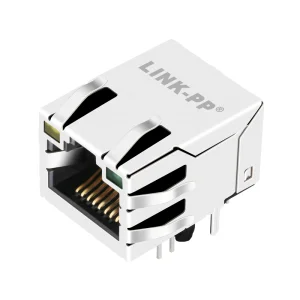
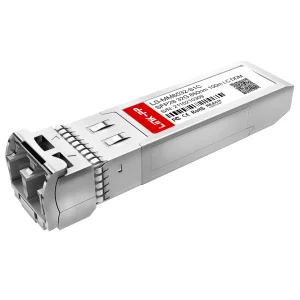
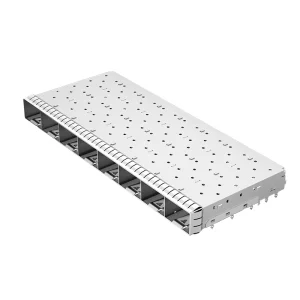
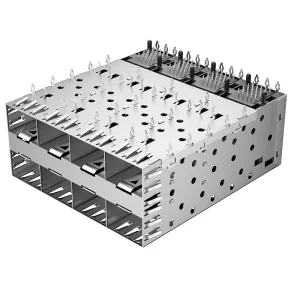
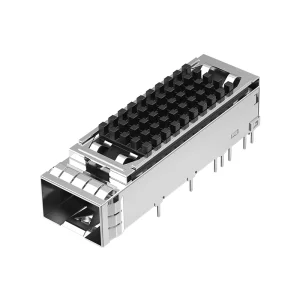
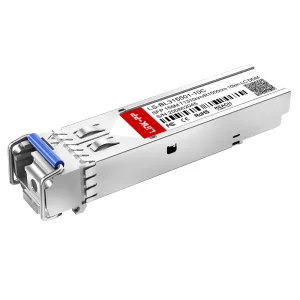
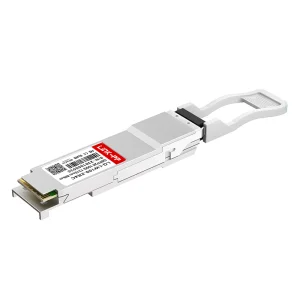
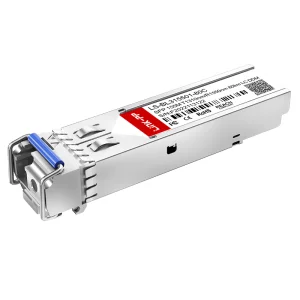
In the era of hyper-scale networking, 5G densification, and the Industrial Internet of Things (IIoT), the physical layer of network architecture faces unprecedented physical and electromagnetic stressors. Plastic connectors, long the standard in benign office environments, are rapidly being replaced by ruggedized metal RJ45 connectors. These components are critical for establishing reliable links in environments characterized by high EMI (Electromagnetic Interference), high mechanical vibration, and extreme thermal loads.
Unlike standard thermoplastic housings, die-cast zinc-alloy and brass metal shells prevent physical degradation, assuring structural latch integrity under continuous structural movements in robotic manufacturing lines and smart transportation vehicles.
Metal structures provide full-wrap grounding pathways to suppress Near-End Crosstalk (NEXT) and Far-End Crosstalk (FEXT) in high-density environments where multi-gigabit copper cables run alongside power cables.
With IEEE 802.3bt (PoE++) pushing up to 90W of power over copper lines, thermal management is key. Metal RJ45 connectors serve as direct heatsinks, minimizing channel insertion loss penalty caused by heat buildup.
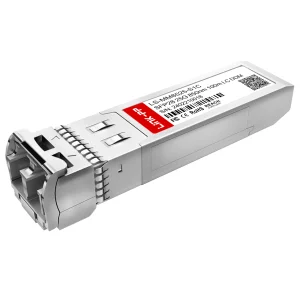
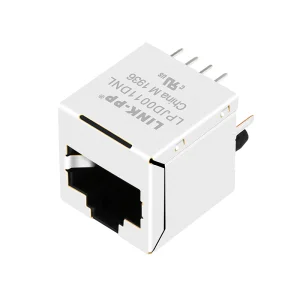
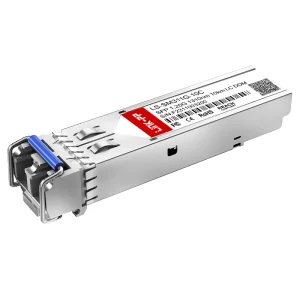
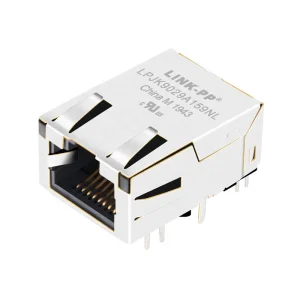
Modern enterprise and telecom ecosystems rely on a tight integration of fiber optic high-capacity backhauls and copper terminal distribution points. While optical transceivers like SFP28 and QSFP28 modules handle long-haul and inter-rack routing, Metal RJ45 connectors with integrated magnetics remain the primary choice for access points, surveillance nodes, and localized IoT hardware.
Cat6a, Cat7, and Cat8 specifications require strict impedance matching. This is achieved through precision-engineered internal PCB layers embedded within metal RJ45 jacks, reducing signal attenuation across wider bandwidth frequencies (up to 2000MHz).
Infrastructure architects deploy optical modules for latency-critical paths, while relying on ruggedized metal RJ45 components to distribute power and data to end devices, ensuring high uptime and system longevity.
As blades and network switch sizes shrink, there is growing demand for low-profile, right-angle, and vertical entry metal connectors that occupy minimal PCB surface area while offering optimal shielding and structural rigidity.
OptiLinker Optoelectronics Co., Ltd. is a professional manufacturer and solution provider specializing in high-speed optical communication modules and advanced network interconnect components. Operating under the trusted brand OptiLinker (www.optilinkertrans.com), the company serves global data center, telecom, and high-reliability industrial automation applications.
Quality control is a pillar of OptiLinker's success. Supported by a dedicated team of 35 QC professionals, the company implements:
OptiLinker collaborates with a global supply chain network of approximately 850 partners. Our team of 60 optical and mechanical engineers offers comprehensive design modification services:
Every geographical market and deployment vertical presents distinct operating environments. Selecting the right connector assembly guarantees continuous operations:
North American distribution centers deploy high concentrations of automated guided vehicles (AGVs) and sorting belts. Integrated metal RJ45 connectors with physical lock mechanisms ensure vibration absorption and EMI protection under continuous heavy machinery activity.
European factories operating under strict Industry 4.0 regulations require network components with reliable ground loops. Fully shielded metal RJ45 jacks with copper grounding foils prevent electrostatic discharges (ESD) from damaging expensive PLC logic controllers.
Coastal and high-humidity environments can lead to corrosion on copper contacts. OptiLinker's RJ45 connectors feature 50-microinch gold plating on contact pins, preventing salt-spray oxidation and ensuring reliable network connections over a long operational lifespan.
The future of high-speed copper interconnects is tied to the evolution of higher network speeds, smaller form factors, and more demanding operating environments. Our R&D division has established a roadmap focused on meeting these needs:
We are refining the internal structures of our connectors to support the higher frequencies of Cat8 cabling, extending the operational limits of copper connections up to 40Gbps over short distances (30m).
Incorporating filter circuits directly inside the metal housing (RJ45 with internal transformer) to filter out noise, reduce trace-route spaces, and optimize PCB layout designs for hardware engineers.
Developing advanced zinc-nickel alloy platings that maintain shielding performance up to 120°C, supporting high-temperature applications in automotive engine rooms and machinery cabins.
Designing components for automatic placement on assembly lines, optimizing through-hole (THT) and Press-Fit structures to handle mechanical assembly without damaging the shielding fingers.
Modern network installations must bridge different connection types. OptiLinker provides solutions that combine high-speed optical backbones with localized copper access networks:
Objective: To maintain zero-latency telemetry in automated facilities.
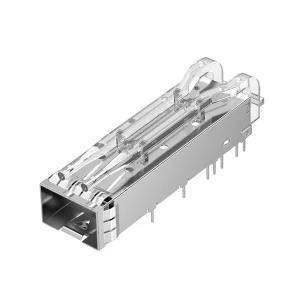
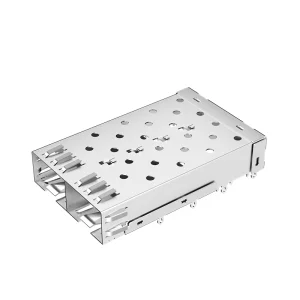
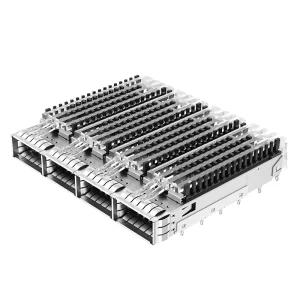
We implement 100G QSFP28 optical transceivers for data centers and central servers. From there, network connections transition through SFP+ cages to local switches, where shielded metal RJ45 connectors distribute signals and power (PoE) to robotic arms, visual cameras, and sensors.
Objective: Assuring signal integrity in uncontrolled settings.
Edge servers installed in outdoor cabinets require shielding from temperature swings and electrical noise. Press-fit SFP cages and fully-shielded metal RJ45 jacks provide structural strength, low insertion loss, and resistance to environmental stress.
We answer critical technical questions regarding the selection and design optimization of shielded connectors.
Explore the remainder of our products, built to support reliable optical links and copper connections.
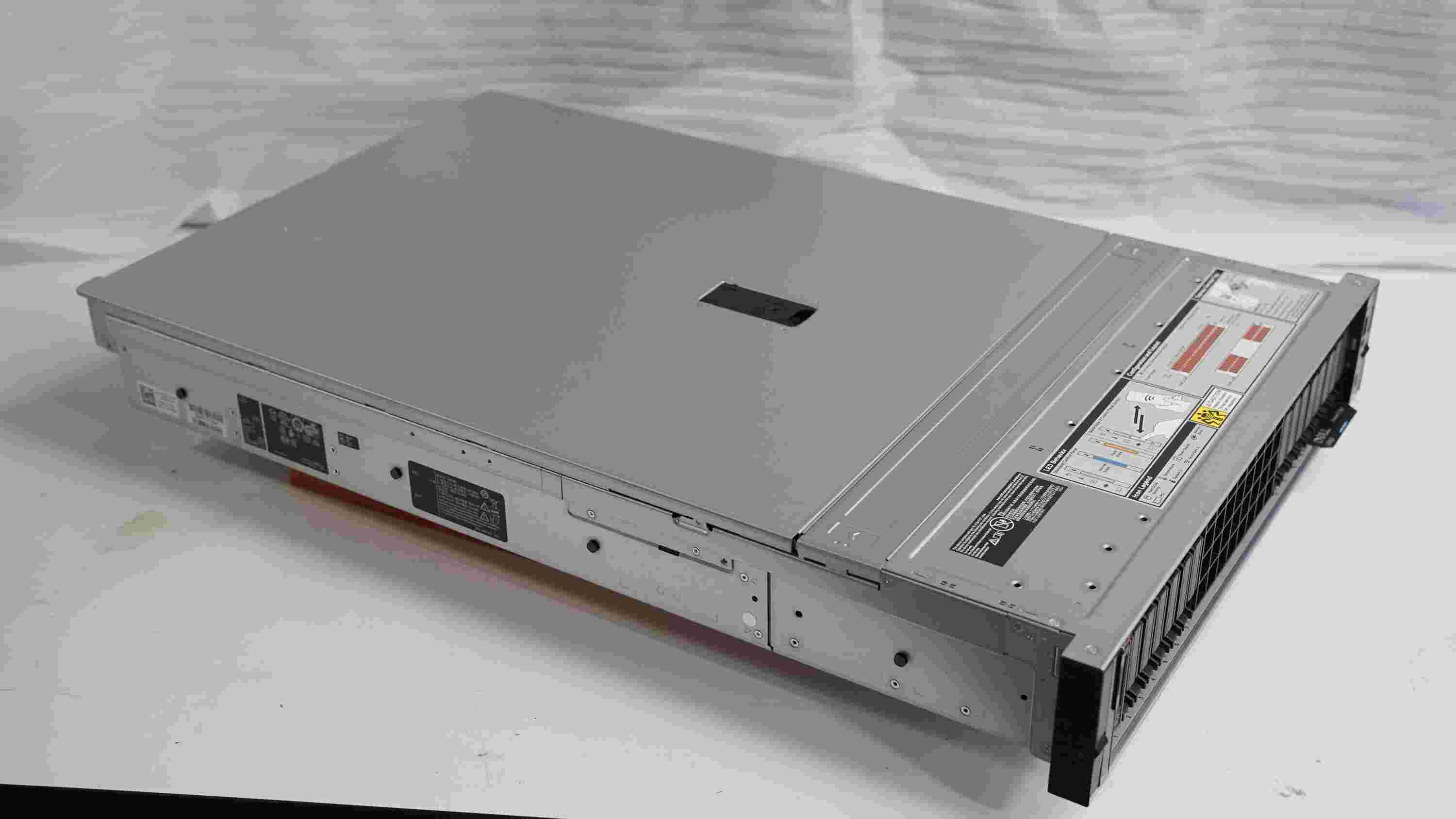
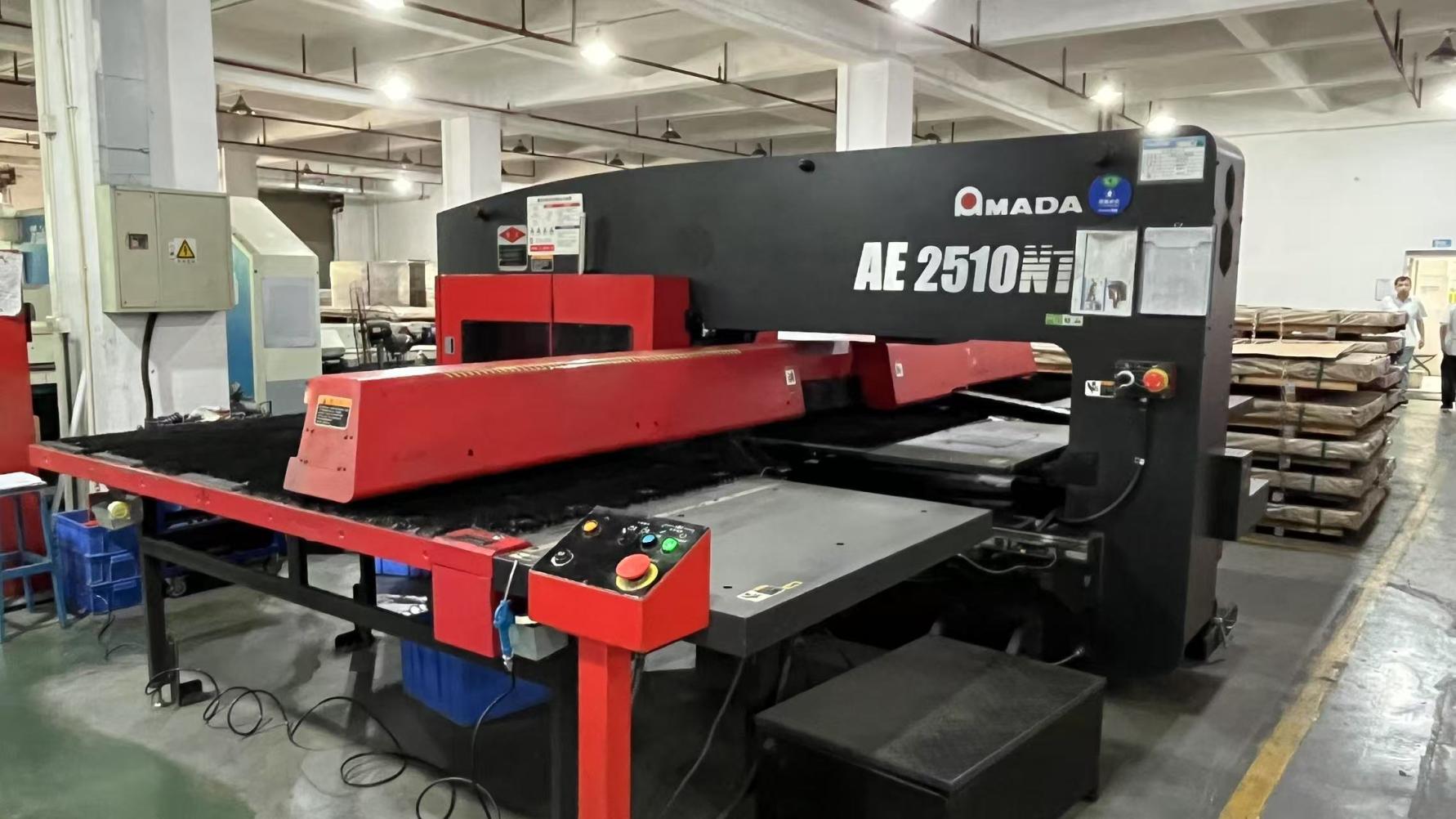
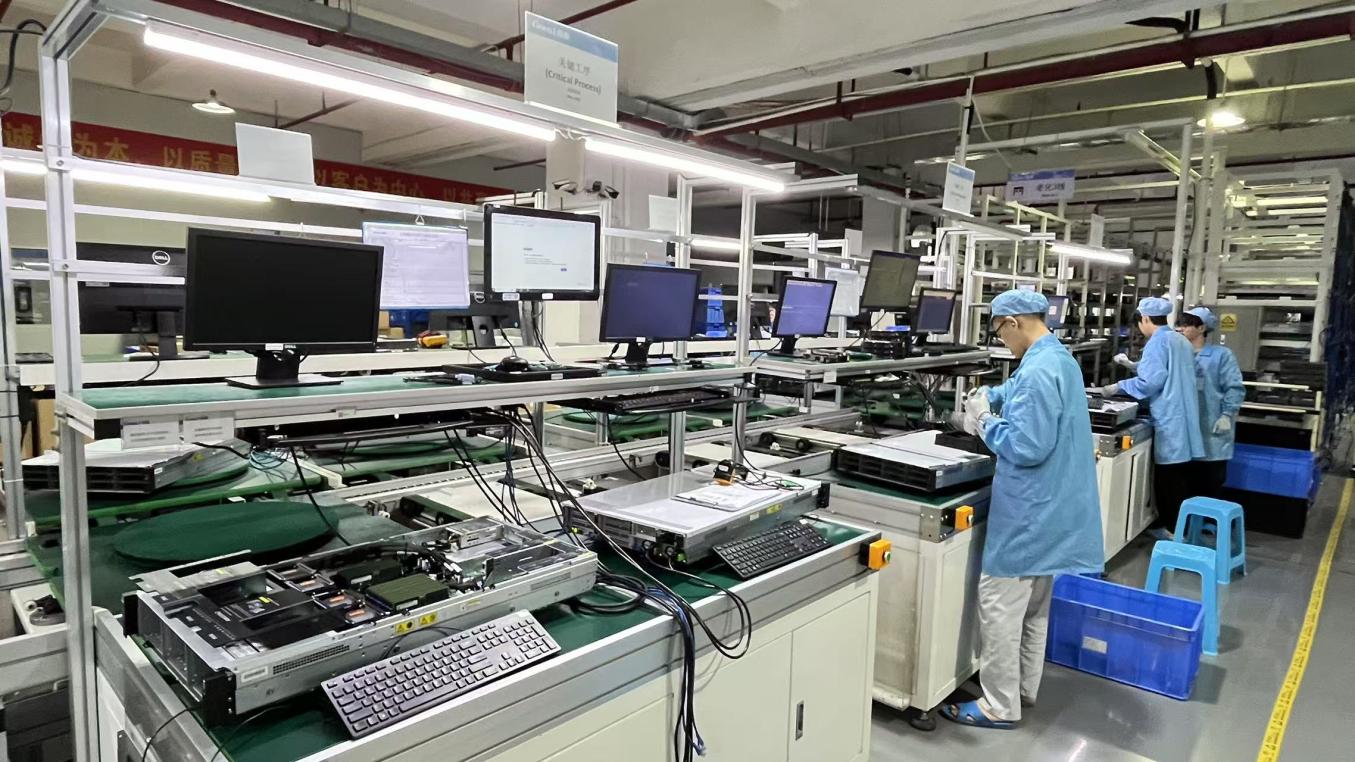
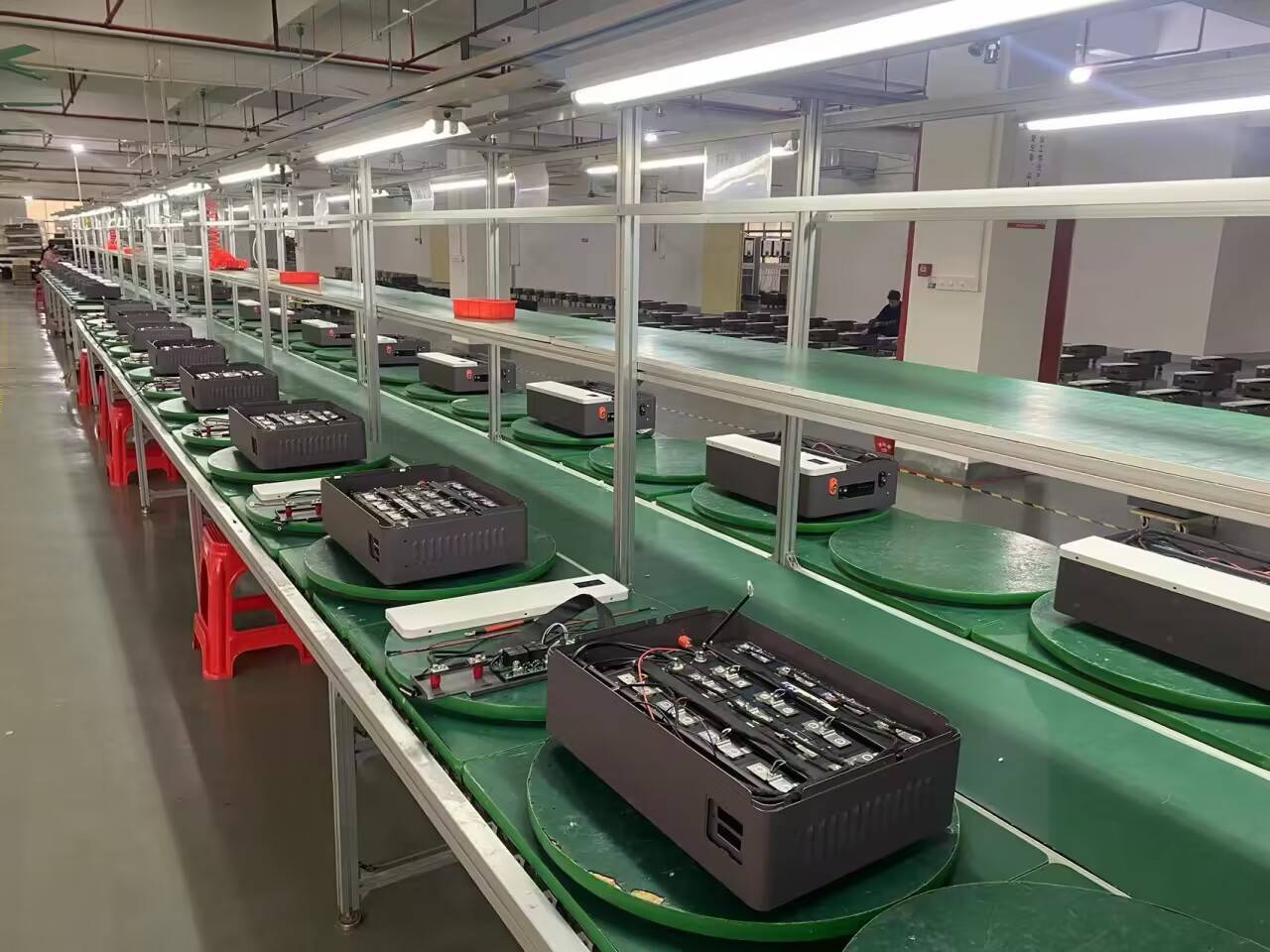
A look at our production floor, calibration equipment, and optical testing labs.