OptiLinker
Global Commercial & Industrial Landscape of RJ45 High-Density Connectors
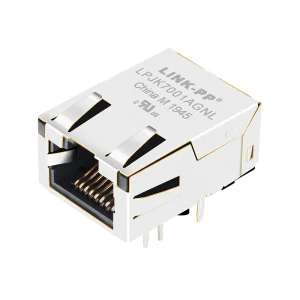
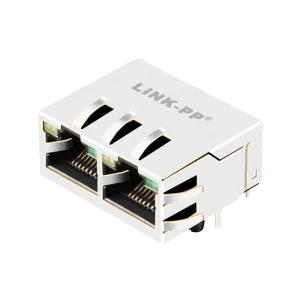
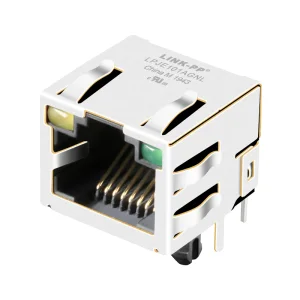
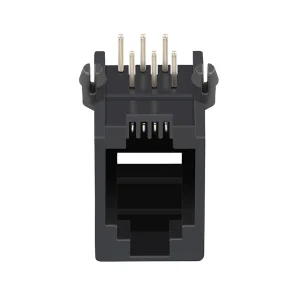
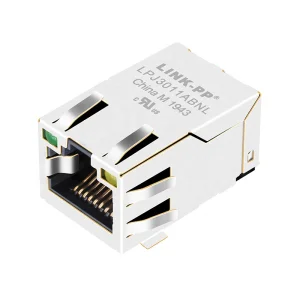
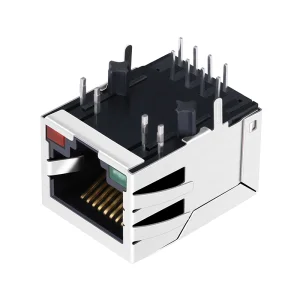
In the era of hyper-scale computing, 5G deployments, and Industrial IoT (IIoT), the physical layer of networking infrastructures is undergoing a monumental evolution. The traditional RJ45 connector, long recognized as the backbone of Ethernet communications, has adapted to meet the stringent space limitations of modern server chassis, network switches, and edge computing nodes. High-density RJ45 connectors represent a vital technology that optimizes panel space, minimizes electromagnetic interference (EMI), and maintains signal integrity at frequencies exceeding 250 MHz for Category 6 (Cat6) and Category 6a (Cat6a) systems.
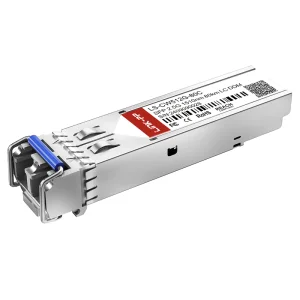
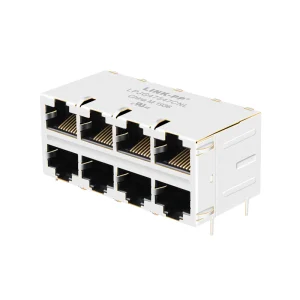
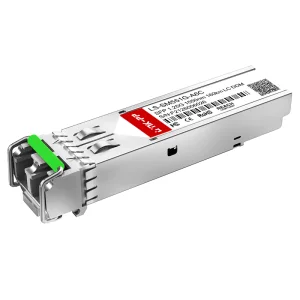
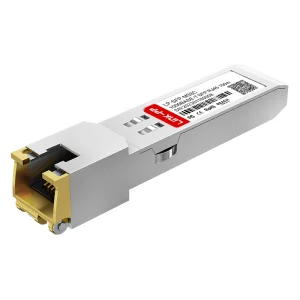
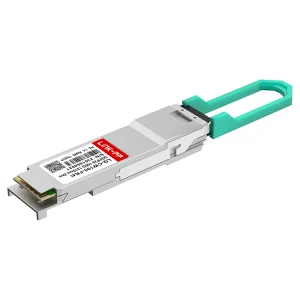
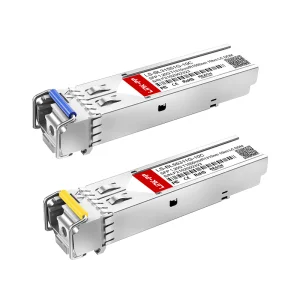
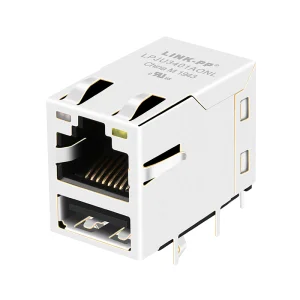
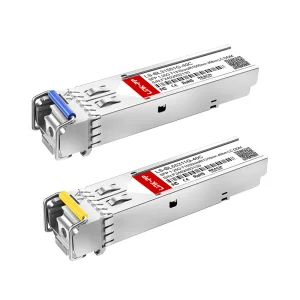
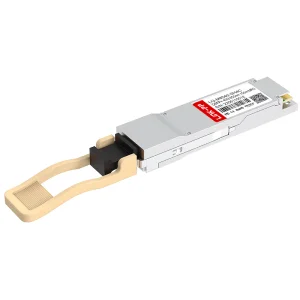
Historically, network switches relied on individual discrete connectors, which occupied substantial board space. Today, the integration of Integrated Connector Modules (ICMs), stacked configurations (such as 2x4, 2x6, and 2x8 ports), and magnetic shielding has enabled hardware engineers to double or triple port density. The global demand for these components is driven by the expansion of cloud data centers and the transition from 1GbE/10GbE network interfaces to higher-speed hybrid connections, where high-density RJ45 copper ports interface alongside optical transceivers (SFP, QSFP).
Information Gain Concept: High-density is not merely a measure of physical dimensions. True performance density is determined by the connector's ability to maintain high Signal-to-Noise Ratios (SNR) and mitigate Near-End Crosstalk (NEXT) in clustered configurations where pins are located less than 2mm apart.
China's Manufacturing Synergy & Industrial Advantages
The manufacturing ecosystem in China has evolved from high-volume assembly to advanced precision engineering, making it a critical supplier base for global networking companies. Key competitive advantages include:
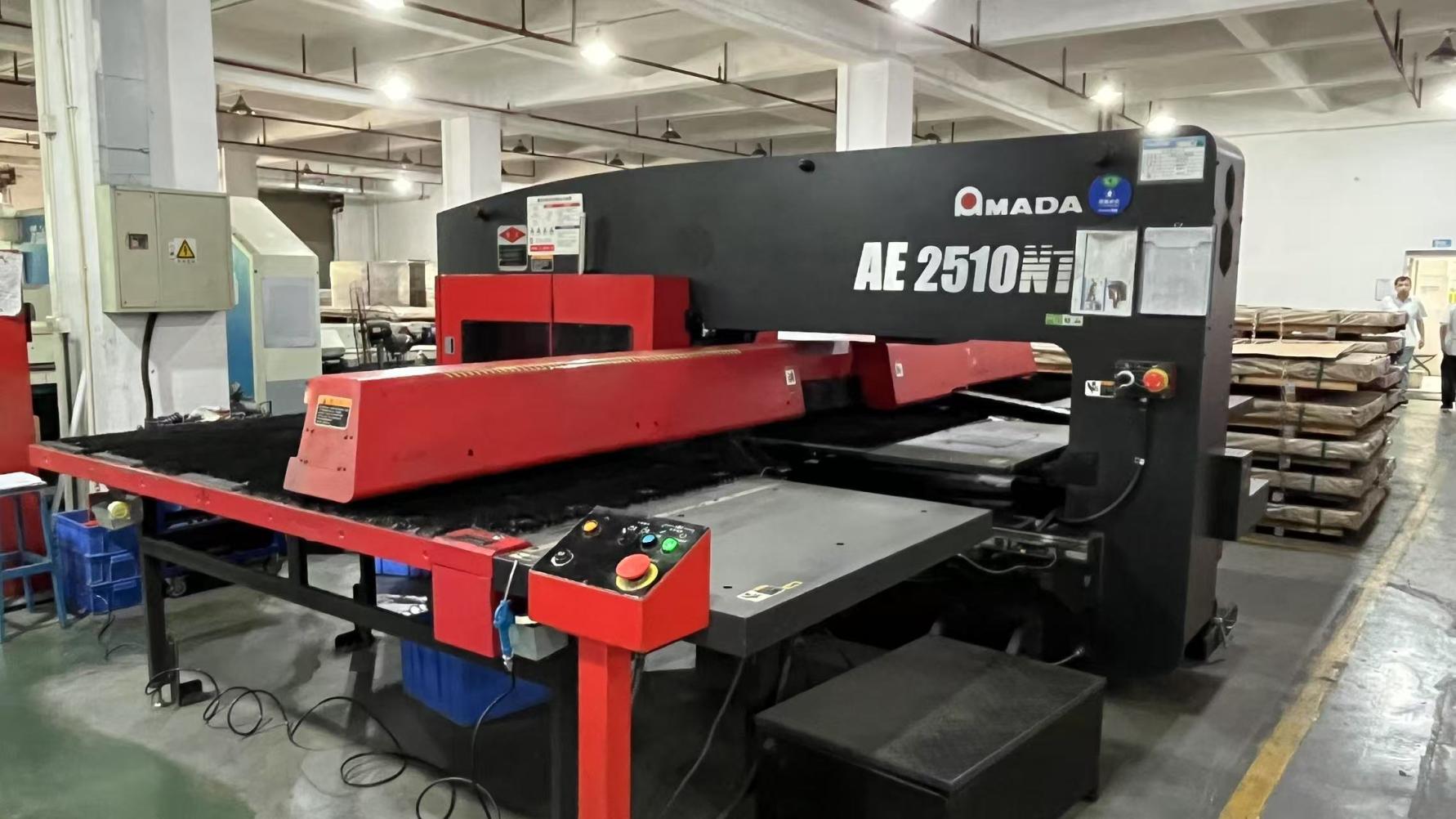
- Integrated Supply Chain Clusters: Located primarily in southern coastal provinces, Chinese manufacturing hubs provide immediate access to high-purity phosphor bronze raw material, high-precision stamping facilities, and specialized plastic injection molding providers. This proximity minimizes logistical lead times and accelerates product prototyping.
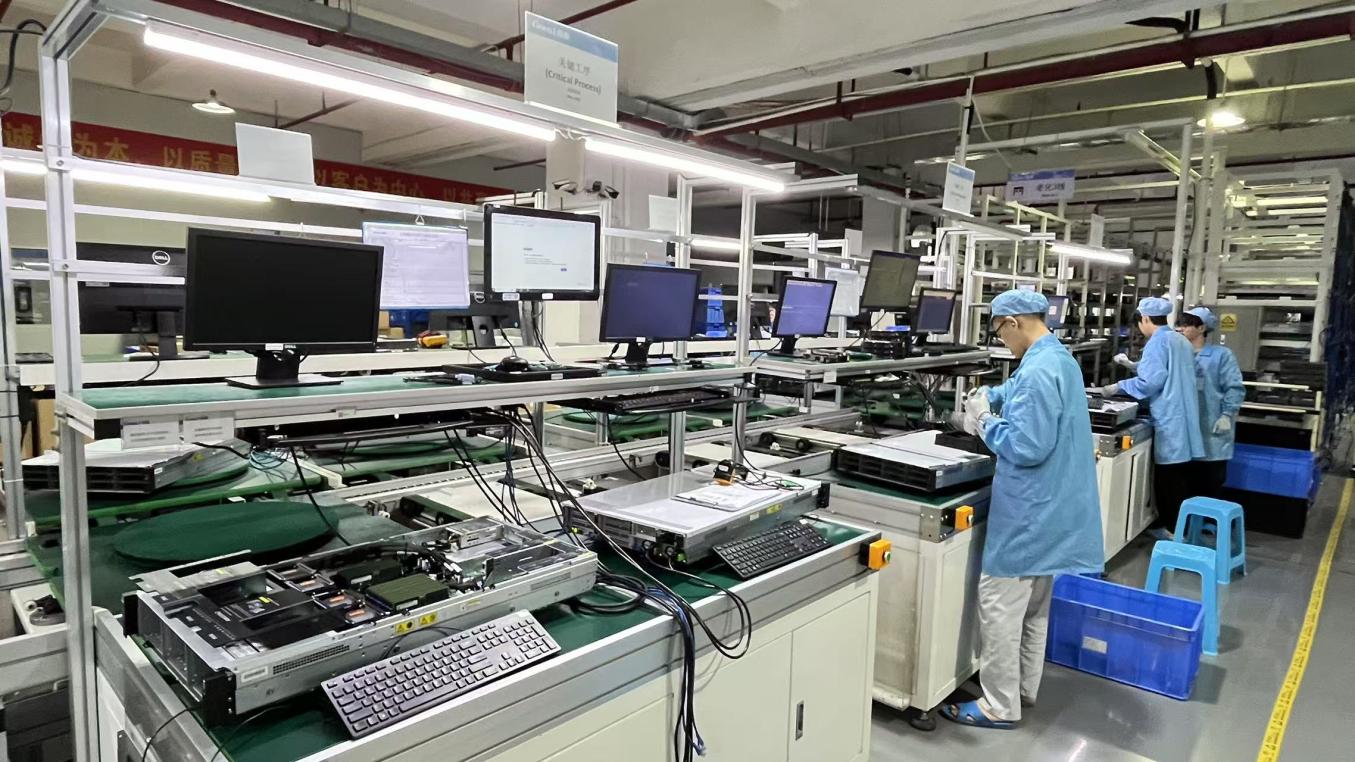
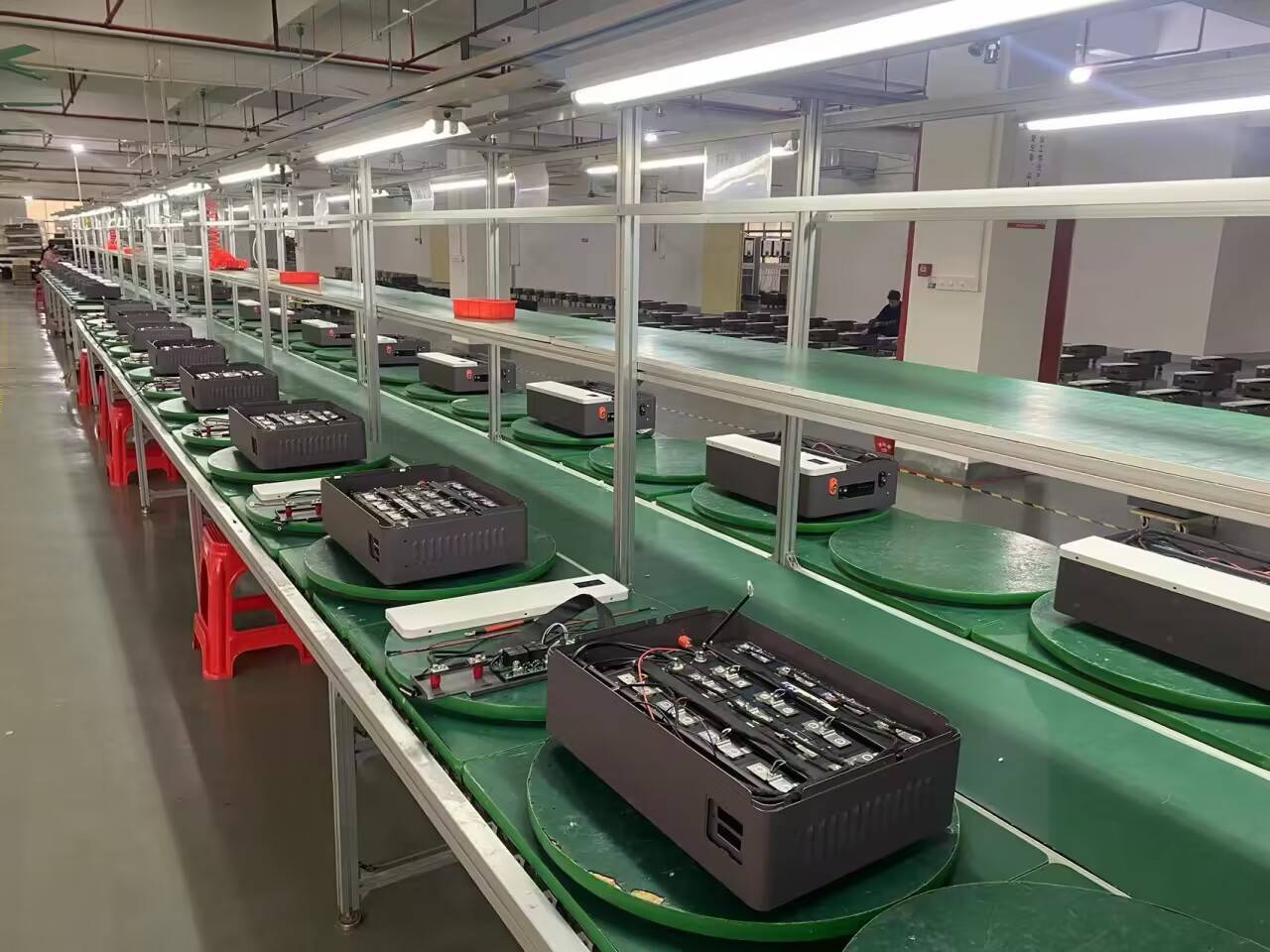
- Advanced Automation & Quality Controls: China's leading factories leverage automated assembly lines equipped with Automated Optical Inspection (AOI) and real-time coplanarity testers. The critical nature of pin alignment and gold-plating thickness (varying from gold flash to 50 micro-inches of nickel-underplated gold) is monitored systematically.
- Customization Agility (OEM/ODM): Unlike rigid global distributors, Chinese manufacturers offer customized layout configurations, LED colors, and pin definitions (e.g., customized tab-up or tab-down designs with specific magnetics parameters) directly matching customized motherboard layouts.