OptiLinker
OptiLinker
OptiLinker
Pioneering standard and custom optical solutions optimized for latency-sensitive network infrastructure.
Delivering next-generation digital infrastructure modules to international standard bodies.
OptiLinker Optoelectronics Co., Ltd. (OptiLinker) is a professional optical transceiver manufacturer and solution provider under the brand OptiLinker (www.optilinkertrans.com), specializing in high-speed optical communication modules for global data center and telecom applications.
Founded in 2016, OptiLinker operates a modern production facility with a total building area of approximately 320㎡. With continuous development in optical communication technology, the company has accumulated over 12 years of industry experience and approximately 8 years of export experience.
In the past year, OptiLinker achieved an annual export revenue of around USD 12 million, serving customers across North America, Europe, Southeast Asia, and the Middle East. The company maintains a strong global B2B trade background, focusing on OEM/ODM partnerships with network infrastructure providers.
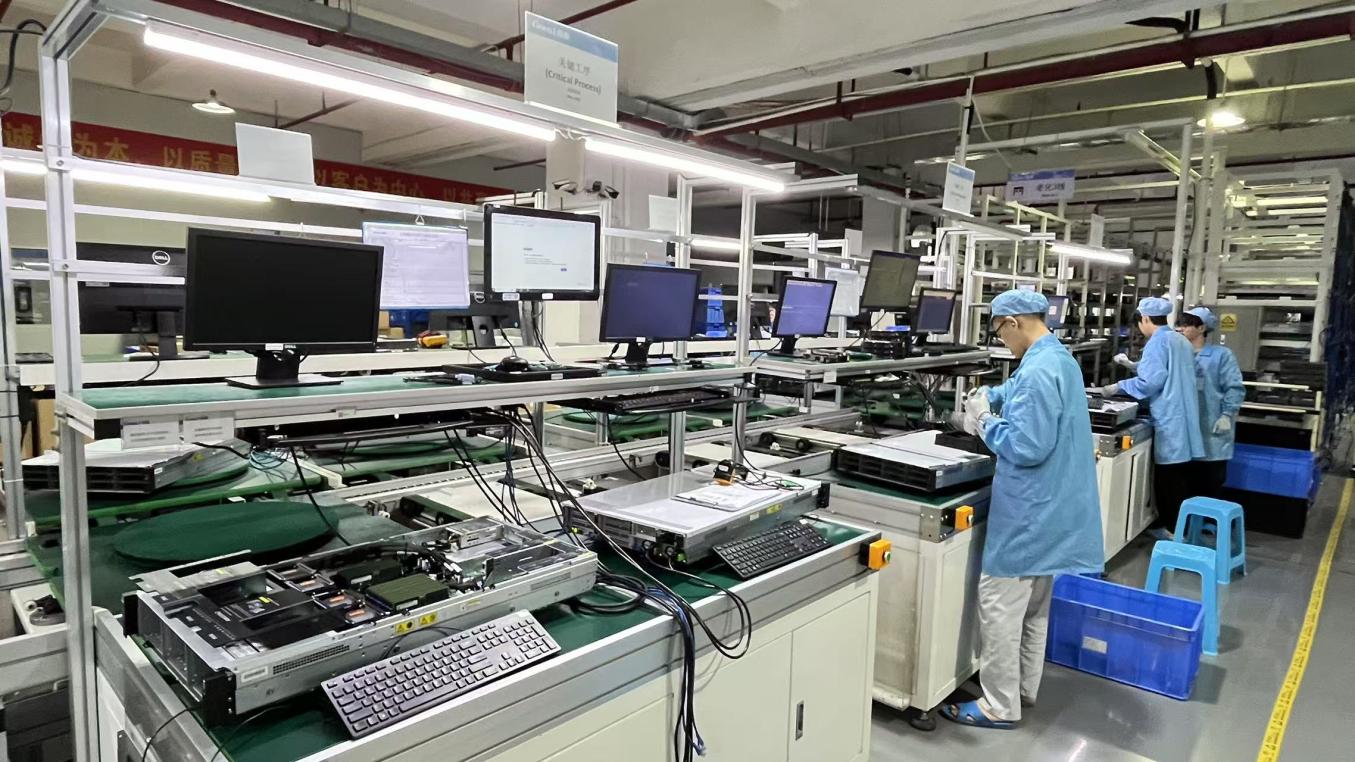
Quality assurance is a core focus at OptiLinker. The company implements 100% incoming material inspection, AOI automated optical inspection, and full optical performance testing. Product verification includes BER testing, eye diagram analysis, and high/low temperature cycling tests, ensuring stable performance under demanding network environments.
Our engineering team specializes in high-speed optical design, signal integrity optimization, and protocol compatibility development. OptiLinker offers flexible customization options including wavelength tuning, transmission distance, packaging form factors, firmware coding, and device compatibility programming.
In the last year alone, OptiLinker launched approximately 120 new optical transceiver products, reflecting its continuous innovation and rapid response to market demand.
How sub-micron alignment tolerances dictate performance in high-density telecommunication frameworks.
Precision alignment is the core of any optical fiber adapter. OptiLinker utilizes high-density, sub-micron tolerance Zirconia (ZrO2) ceramic alignment sleeves. Zirconia offers exceptional mechanical rigidity, low wear rates, and thermal stability under cycling, keeping insertion loss below 0.2dB.
Our OEM adapters are optimized to maintain critical air-gap parameters and end-face geometry. By minimizing physical contact anomalies and connector tilt, our components achieve high return losses exceeding 55dB for UPC and 65dB for APC configurations.
Designed with nickel-plated die-cast zinc alloy or high-grade polyetherimide (PEI) shells, our adapters feature advanced EMI shielding paths to safeguard signal paths from radiation, specifically in high-density rack configurations.
China has emerged as the global epicenter for optoelectronic engineering, driven by a complete regional supply chain and advanced industrial clustering. At OptiLinker, we leverage this ecosystem to deliver high-performance, cost-effective solutions to global enterprises.
With more than 850 network supply partners, OptiLinker is insulated from single-point component shortages. This supply network allows us to ramp production volumes rapidly during global surges in data infrastructure buildouts.
Furthermore, our facility maintains a robust testing environment with dedicated equipment for BER (Bit Error Rate) validation, temperature cycling (-40°C to +85°C), and automated optical profiling.
Key trends driving the adoption of high-density, low-loss interconnect technology.
Data centers are rapidly scaling beyond 400G. High-capacity architectures require physical-layer adapters with minimal insertion loss and exceptional thermal stability, ensuring clear transmission paths for PAM4 and coherent modulation formats.
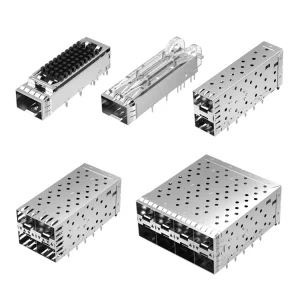
Rack space remains a premium commodity. The industry is moving from standard LC duplex adapters to ultra-high-density configurations, including CS, SN, and MDC connectors, to pack more fiber connections into a single rack unit.
Hyperscalers are prioritizing environmental footprints. Manufacturing processes must adhere to strict environmental standards (RoHS and REACH) and minimize waste through high-precision injection molding and energy-efficient facilities.
Custom deployment strategies engineered for complex enterprise and telecom networking topologies.
In modern multi-tenant environments, cable management and structural routing are critical. OptiLinker designs bespoke high-density patch panel adapter assemblies that allow rapid port labeling, color coding, and secure key lock configurations to prevent accidental physical-layer disconnections.
Deployments in harsh outdoor environments (FTTA, 5G towers) require adapters with ruggedized, weatherproof housings (IP67/IP68). Our OEM division develops specialized adapters that withstand extreme temperature variations, moisture, and vibration while maintaining sub-0.1dB insertion loss drift.
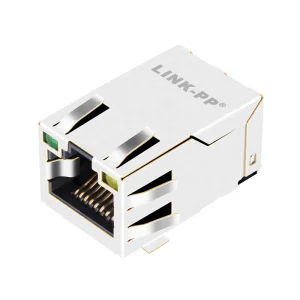
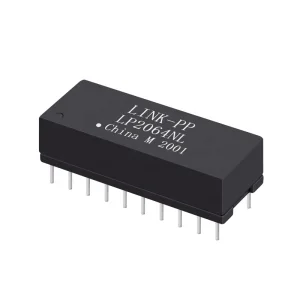
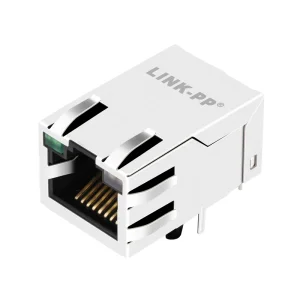
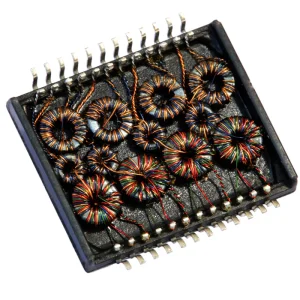
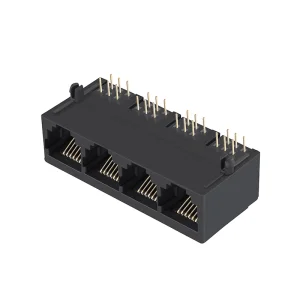
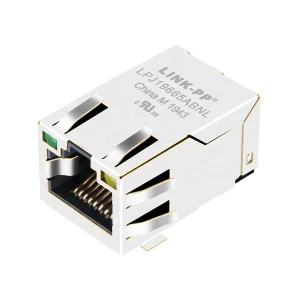
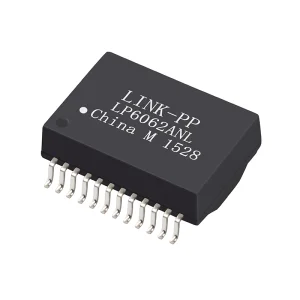
For large campus environments, OptiLinker integrates legacy copper RJ45 systems with new optical backbones. Our SMT RJ45 and LAN magnetics complement our fiber portfolio, helping system integrators deploy hybrid infrastructure layouts from a single supplier.
Navigating global trade compliance and quality standards is crucial for international network system integrators. OptiLinker ensures that all products are manufactured to meet or exceed recognized international standards.
Insights from our senior optical engineering division on adapter selection, specification, and maintenance.
Insertion loss in fiber optic adapters is primarily driven by core eccentricity and angular misalignment. When the ceramic alignment sleeve has a high dimensional tolerance, the fiber cores of the mating connectors do not align perfectly. This results in signal attenuation. OptiLinker utilizes zirconia sleeves with sub-micron concentricity tolerances to keep typical insertion loss under 0.2dB.
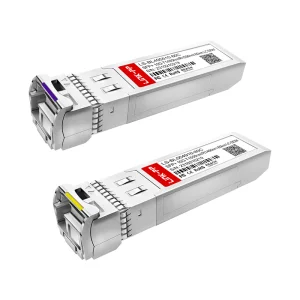
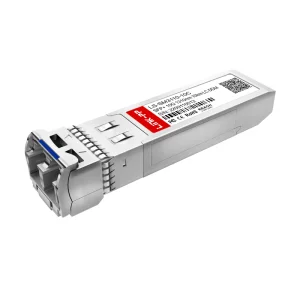
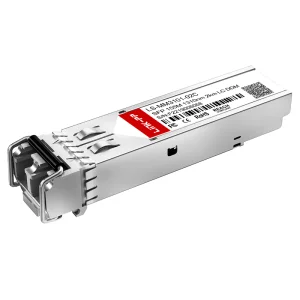
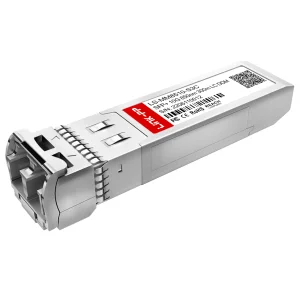
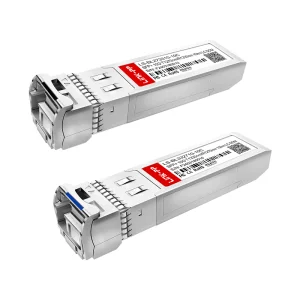
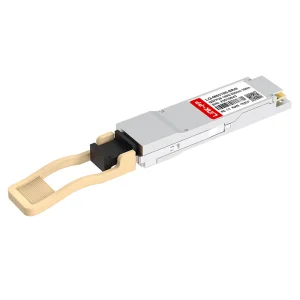
Our engineering team handles target code programming for a wide range of network platforms. Every active transceiver is flashed with vendor-specific EEPROM/firmware configurations, then verified on host switch platforms to prevent port-blocking errors and ensure plug-and-play operation.
Zirconia ceramic sleeves feature high hardness, exceptional wear resistance, and minimal thermal expansion compared to phosphor bronze. This makes them ideal for single-mode networks, where core alignments are around 9 microns. Phosphor bronze sleeves are typically reserved for multimode systems, which have larger core diameters and lower alignment requirements.
Our 35-person QC team conducts temperature cycling tests ranging from -40°C to +85°C, humidity exposure, salt mist spray testing for metallic adapters, and mechanical mating durability testing up to 1000 cycles to ensure stability in outdoor and industrial deployments.
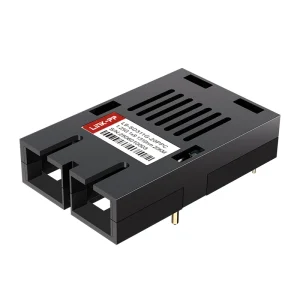
Complementary interface adapters, high-speed active transceivers, and structured cabling modules.