OptiLinker
OptiLinker
OptiLinker
Explore our premium grade optical transceivers and mechanical low profile RJ45 interfaces designed for structural reliability.
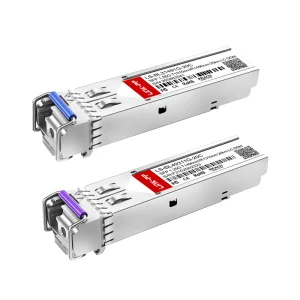
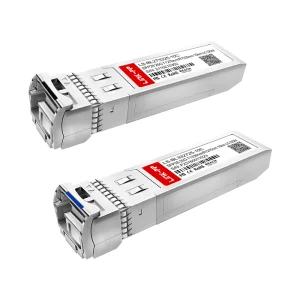
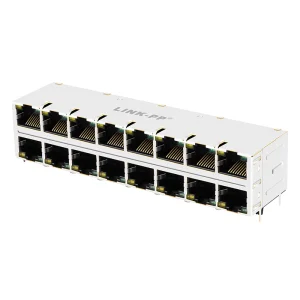
Analyzing global demand, dimensional constraints, and electrical performance in modern server architectures.
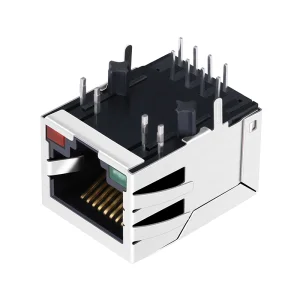
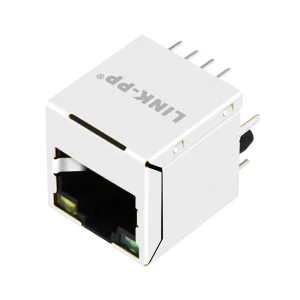
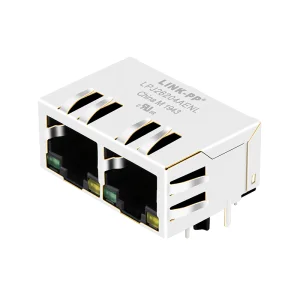
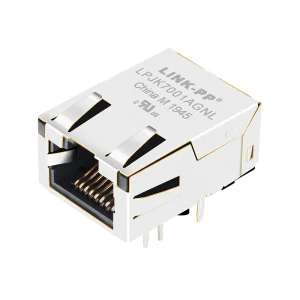
As micro-data centers, IoT edge computing modules, and high-performance routing hardware continue to shrink, hardware designers confront a persistent mechanical bottleneck: physical height constraints on the PCB. The standard RJ45 connector, while universally standard, often dictates the minimum chassis height of network routers, industrial switches, and optical terminal units. This has propelled the requirement for Low Profile Ethernet Jacks that deliver standard IEEE 802.3 performance within a highly compressed mechanical footprint.
OptiLinker Optoelectronics Co., Ltd. addresses this requirement through custom OEM and ODM manufacturing pathways, delivering high-density integrated connectors and advanced transceivers to network equipment builders globally. By utilizing optimized PCB footprints, advanced structural shielding, and premium electrical contact alloys, we ensure that compact infrastructure does not compromise signal integrity, durability, or power distribution capabilities (PoE/PoE+).
Understanding internal layouts, shielding effectiveness, and material science optimizations.
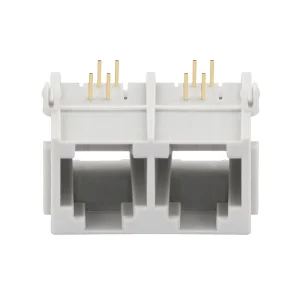
Engineered with overall profile heights below 11.5mm. Ideal for slim 1U rackmount chassis, blade servers, and space-constrained IoT gateways where space is a critical premium.
Equipped with nickel-plated copper alloy or brass outer shells. Features grounding tabs designed to interface cleanly with the panel layout, ensuring maximum common-mode noise rejection.
Internal isolation transformers and common mode chokes mitigate high-frequency noise and safeguard physical layers (PHY) against high-voltage surges in industrial environments.
In low-profile installations, electrical signals run closer to the PCB ground planes, compounding capacitance and threatening impedance matching. Designing a custom low-profile connector requires rigorous finite element analysis (FEA) to structure the internal lead frame and pins. By fine-tuning pin spacing and insulating material dielectric constants, OEM factories can maintain the characteristic 100-ohm differential impedance required by Ethernet standards (Cat5e, Cat6, and Cat6a).
Analyzing key evaluation parameters for supply-chain and engineering management teams.
Sourcing low-profile components for multinational networking systems requires balancing lead times, electrical performance, and regulatory clearances. Enterprise procurement teams prioritize suppliers capable of offering tailorable custom configurations to fit specific enclosure cutouts and PCB spatial limitations. Below are the key engineering metrics used during the selection and validation process:
Low-profile RJ45 jacks frequently utilize surface-mount technology (SMT) or pin-in-paste (PIP) designs. Solder joints must remain perfectly coplanar within a 0.1mm tolerance to guarantee flawless automated pick-and-place assembly.
Deploying Power over Ethernet (PoE, PoE+, and PoE++ up to 90W) through compact jacks elevates operating temperatures. Connector housings must use high-temperature Liquid Crystal Polymer (LCP) to prevent warping at 260°C reflow cycles while dissipating internal heat effectively.
Industrial applications demand gold plating of at least 30μ" to 50μ" on the contact mating surface. This specification prevents oxidation and maintains contact resistance below 20mΩ throughout 750+ mating cycles.
Your premier OEM/ODM manufacturing partner for custom physical layer connectivity and high-speed optics.
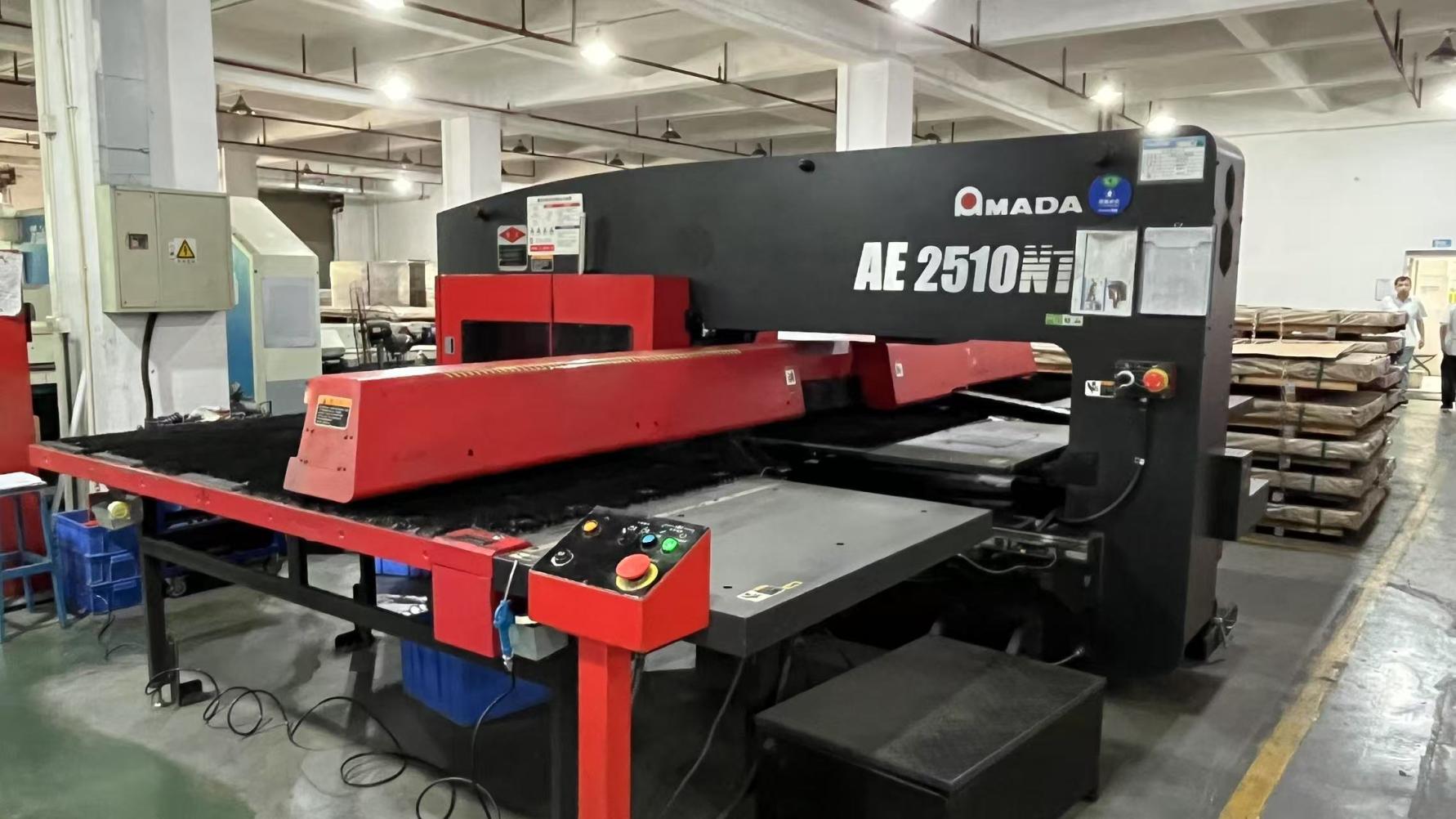
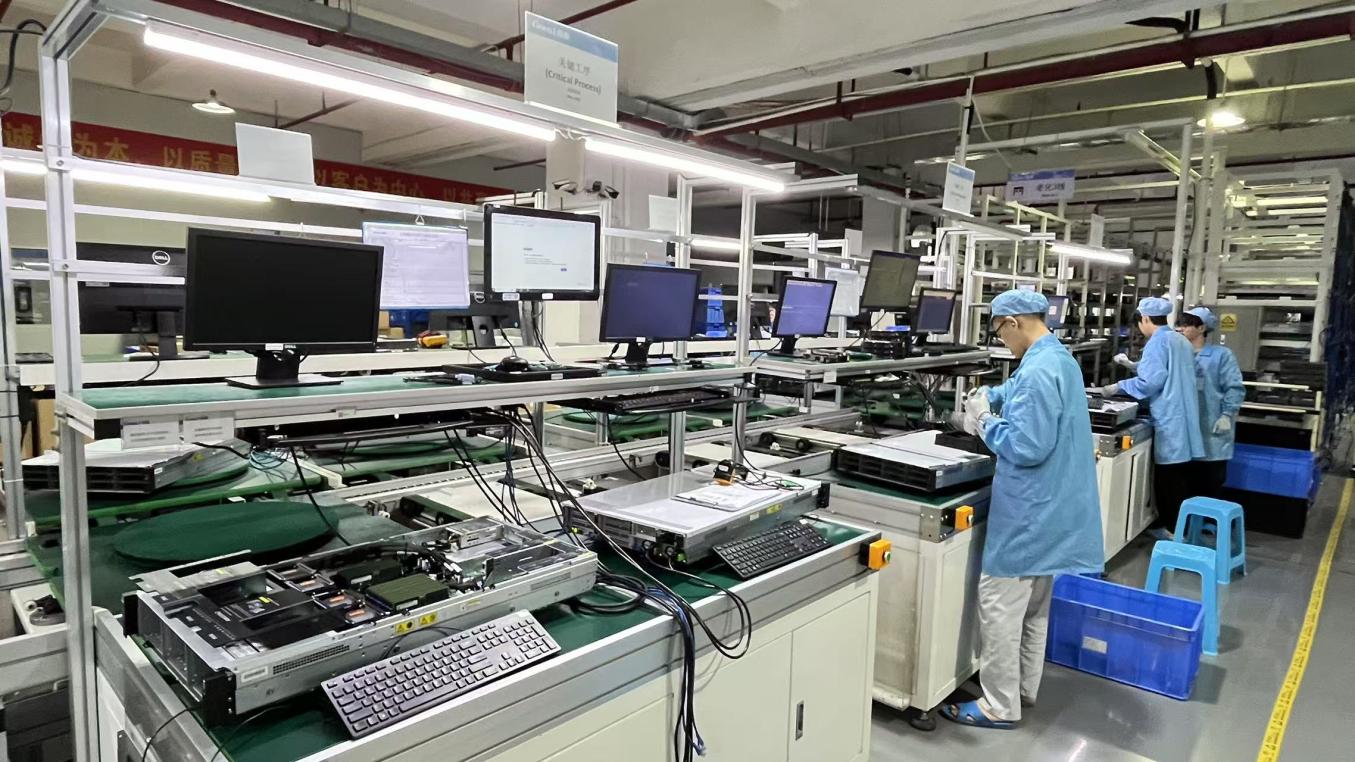
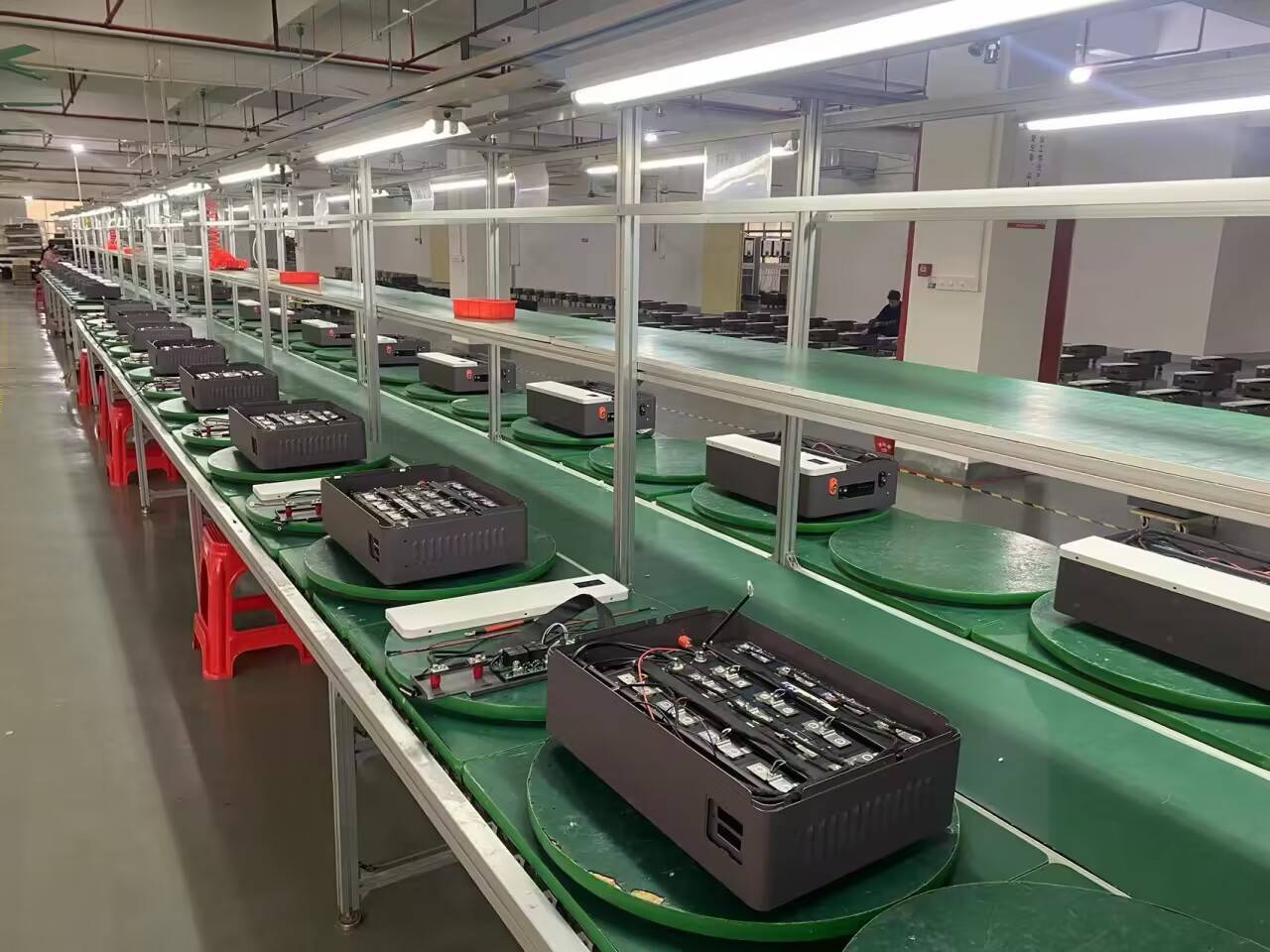
OptiLinker Optoelectronics Co., Ltd. is a professional optical transceiver manufacturer and solution provider under the brand OptiLinker (www.optilinkertrans.com), specializing in high-speed optical communication modules for global data center and telecom applications. Founded in 2016, OptiLinker operates a modern production facility with a total building area of approximately 320㎡. With continuous development in optical communication technology, the company has accumulated over 12 years of industry experience and approximately 8 years of export experience.
In the past year, OptiLinker achieved an annual export revenue of around USD 12 million, serving customers across North America, Europe, Southeast Asia, and the Middle East. The company maintains a strong global B2B trade background, focusing on OEM/ODM partnerships with network infrastructure providers.
Quality assurance is a core focus at OptiLinker. The company implements 100% incoming material inspection, AOI automated optical inspection, and full optical performance testing. Product verification includes BER testing, eye diagram analysis, and high/low temperature cycling tests, ensuring stable performance under demanding network environments. The quality control team consists of 35 dedicated QC professionals.
OptiLinker collaborates with a global supply chain network of approximately 850 partners, enabling efficient sourcing and stable production capacity. Its main customer base includes telecom operators, data centers, system integrators, and networking equipment manufacturers.
The company has strong R&D capabilities, supported by a team of 60 experienced optical engineers. Its engineering team specializes in high-speed optical design, signal integrity optimization, and protocol compatibility development. OptiLinker offers flexible customization options including wavelength tuning, transmission distance, packaging form factors, firmware coding, and device compatibility programming. In the last year alone, OptiLinker launched approximately 120 new optical transceiver products, reflecting its continuous innovation and rapid response to market demand.
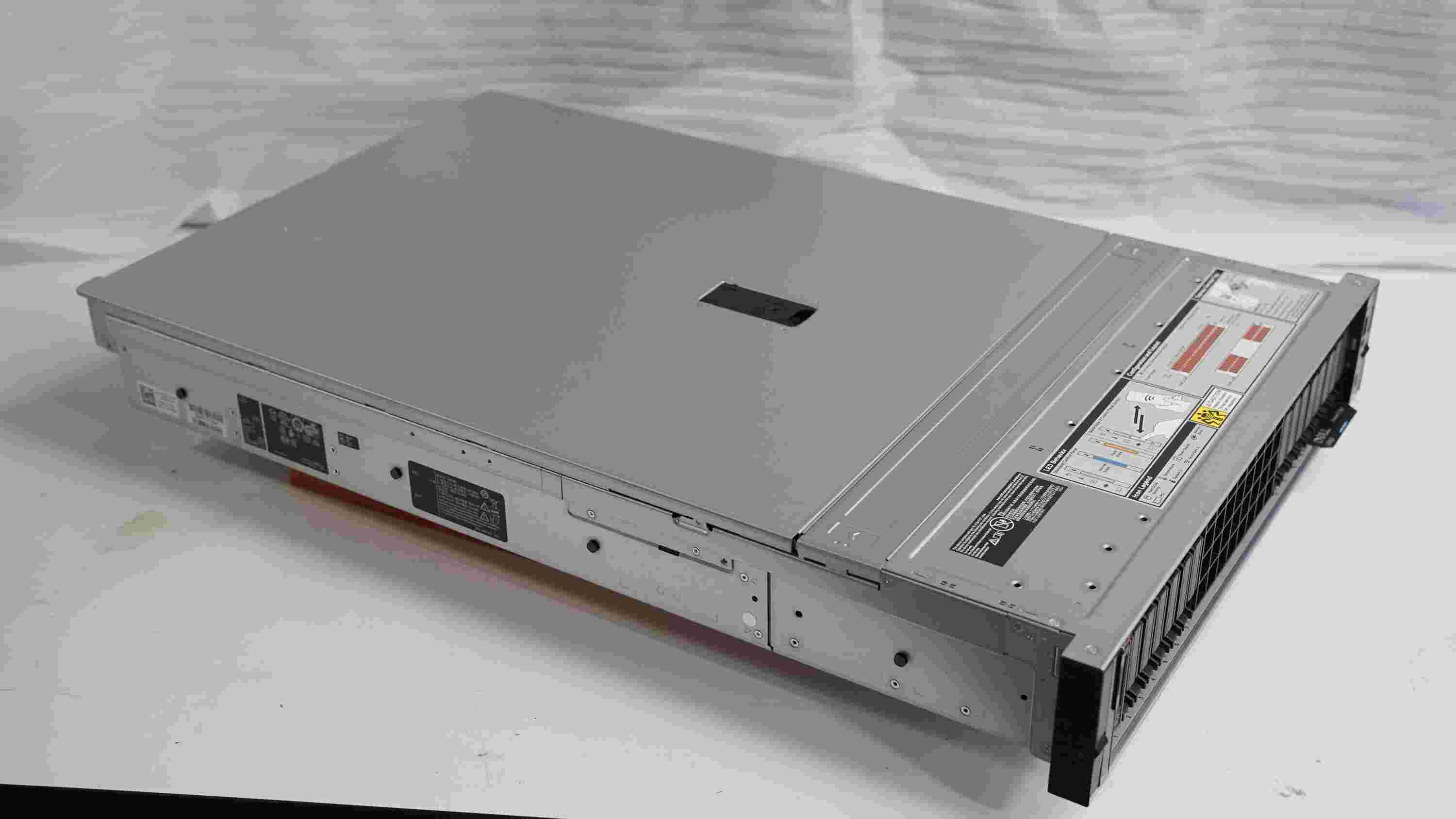
How specialized physical layer interfaces and high-speed optics resolve real-world deployment limitations.
High-density networking components operate under varied environmental challenges. Selecting the correct connector class dictates the lifespan of hardware deployed in remote or harsh locations:
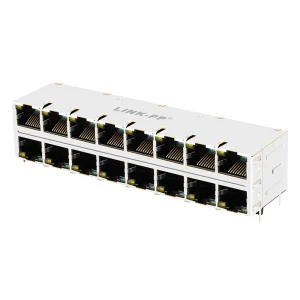
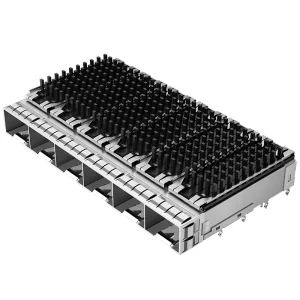
M12 and unshielded/shielded RJ45 components must endure high vibrations and mechanical strain. Standard low-profile configurations are supplemented with multi-port modules to ensure consistent data paths on din-rail mounts.
Pole-mounted cellular equipment requires compact designs. Low-profile connectors minimize board size, while SFP/SFP28 optical modules handle the backhaul transmission links efficiently.
Top-of-Rack (ToR) switches demand efficient airflow paths. Keeping connector sizes down allows designers to clear internal blockages, facilitating more effective thermal management.
Tracking the progression of compact interfaces as throughput demands shift from copper to optical transmission.
The transition from 10/100/1000 Base-T to Multi-Gigabit (2.5G/5G/10G) networks requires significant engineering improvements in the connector's physical interface. In high-speed implementations, crosstalk between adjacent conductors within RJ45 housings is the primary limitation to higher performance. The technology roadmap for low-profile interconnect configurations focuses on several core areas:
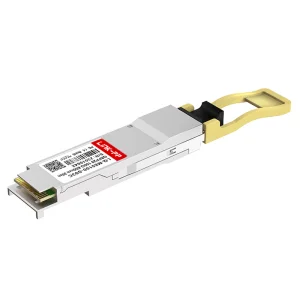
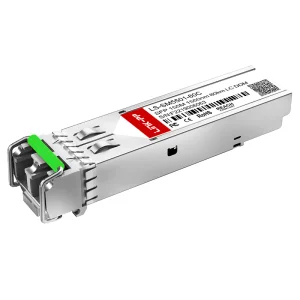
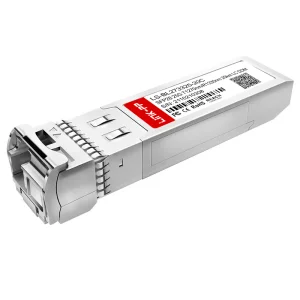
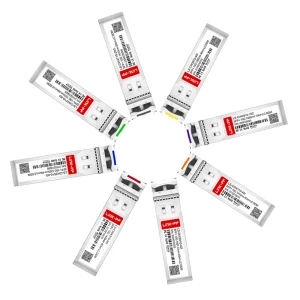
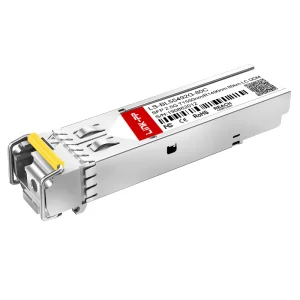
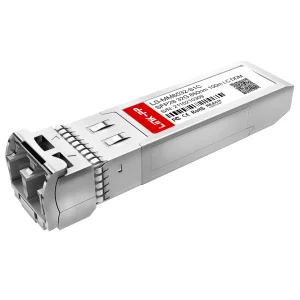
OptiLinker aligns its R&D efforts with this roadmap. By developing high-speed optical transceivers (ranging from 1G SFP up to 100G QSFP28 modules), we bridge the gap between mechanical RJ45 copper connections and backbone optical distribution fiber systems, allowing equipment suppliers to scale their products effectively.
Explore our premium grade optical transceivers and mechanical low profile RJ45 interfaces designed for structural reliability.
Ensuring absolute electrical safety and ecological responsibility across all enterprise components.
OptiLinker adheres to global regulatory frameworks, ensuring that all components supplied to our customers meet environmental, safety, and operational standards. Our products comply with several key regulatory guidelines:
Every component is lead-free and free of hazardous materials, supporting environmentally friendly electronic product designs globally.
Connector plastics are manufactured using UL94-V0 rated fire-retardant thermoplastics, minimizing safety risks under high load or thermal conditions.
Our RJ45 plug design clearances and contact pressure configurations meet standard mechanical tolerances to protect physical communication lines.
Technical answers to common engineering and procurement inquiries regarding low-profile connectors and optical modules.
A low profile Ethernet jack is designed with a reduced physical height, typically under 11.5mm from the PCB surface (compared to standard heights of 13.5mm to 16mm). This reduction enables hardware engineers to deploy them in space-restricted applications, such as 1U rackmount enclosures, slim IoT gateways, and industrial controller units.
OptiLinker maintains performance levels through rigorous QC protocols, including 100% incoming material inspections, AOI (Automated Optical Inspection), BER (Bit Error Rate) validation, eye diagram testing, and high/low temperature cycling. Our engineering team optimizes lead-frame layouts and shielding to preserve signal integrity.
Yes. Our custom OEM designs are engineered with high-temperature LCP housings and optimized internal magnetics capable of supporting standard IEEE 802.3at (PoE+) and IEEE 802.3bt (PoE++ up to 90W) without exceeding the component's maximum operating temperature envelope.
Our team offers broad customization capabilities, including specific wavelength tuning, physical transmission distances, packaging form factors (SFP, SFP28, QSFP28), firmware coding for third-party host compatibility, and custom device compatibility programming.