OptiLinker
OptiLinker
OptiLinker
In the era of hyper-scale computing, Artificial Intelligence (AI) training pipelines, and big-data ingestion, standard, off-the-shelf networking hardware often falls short of meeting specialized performance requirements. Global enterprise systems necessitate tailored configurations to optimize thermal output, signaling integrity, layout dimensions, and protocol compatibility. This whitepaper analyzes the current landscape of network integration, emphasizing how specialized OEM Ethernet Adapters, optical transceivers, and advanced connector systems are shaping next-generation topologies.
Reliability starts at the physical and link layers. Network adapters act as the interface between the software stack and physical fiber-optic or copper transmission mediums. Opting for custom physical configurations, such as low-profile RJ45 modular jacks, SFP+ cages with integrated thermal heatsinks, or custom SFP28 transceivers, allows system architects to pack more port density into 1U chassis. This optimization reduces latency, minimizes packet drops, and keeps cooling overhead within acceptable thresholds.
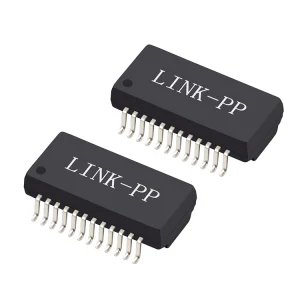
Deploying specialized magnetic configurations minimizes cross-talk and electromagnetic interference (EMI), guaranteeing high Bit Error Rate (BER) standards across long distance transmissions.
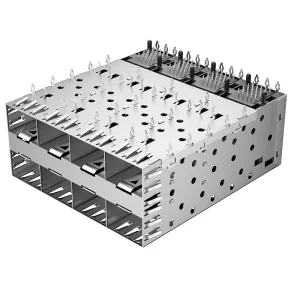
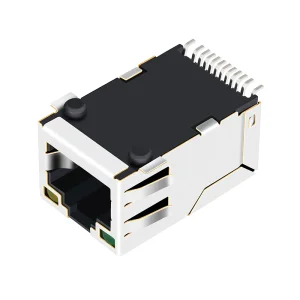
From low-profile RJ45 jacks to 2x4 SFP cages, customized footprints ensure hardware compatibility with complex PCB traces and space-constrained server blades.
Utilizing high-grade copper enclosures, optimized press-fit configurations, and custom venting schemes allows passive dissipation of excess heat under persistent load.
OptiLinker is a professional optical transceiver manufacturer and solution provider under the brand OptiLinker (www.optilinkertrans.com), specializing in high-speed optical communication modules for global data center and telecom applications.
Founded in 2016, OptiLinker operates a specialized, ultra-precise 320㎡ cleanroom facility optimized for micro-optoelectronic alignment, component-level inspection, and custom high-frequency diagnostics. We serve a broad, sophisticated global B2B trade network spanning North America, Europe, Southeast Asia, and the Middle East. Our product development cycles are highly agile, enabling the launch of approximately 120 new optical transceiver products over the last year alone.
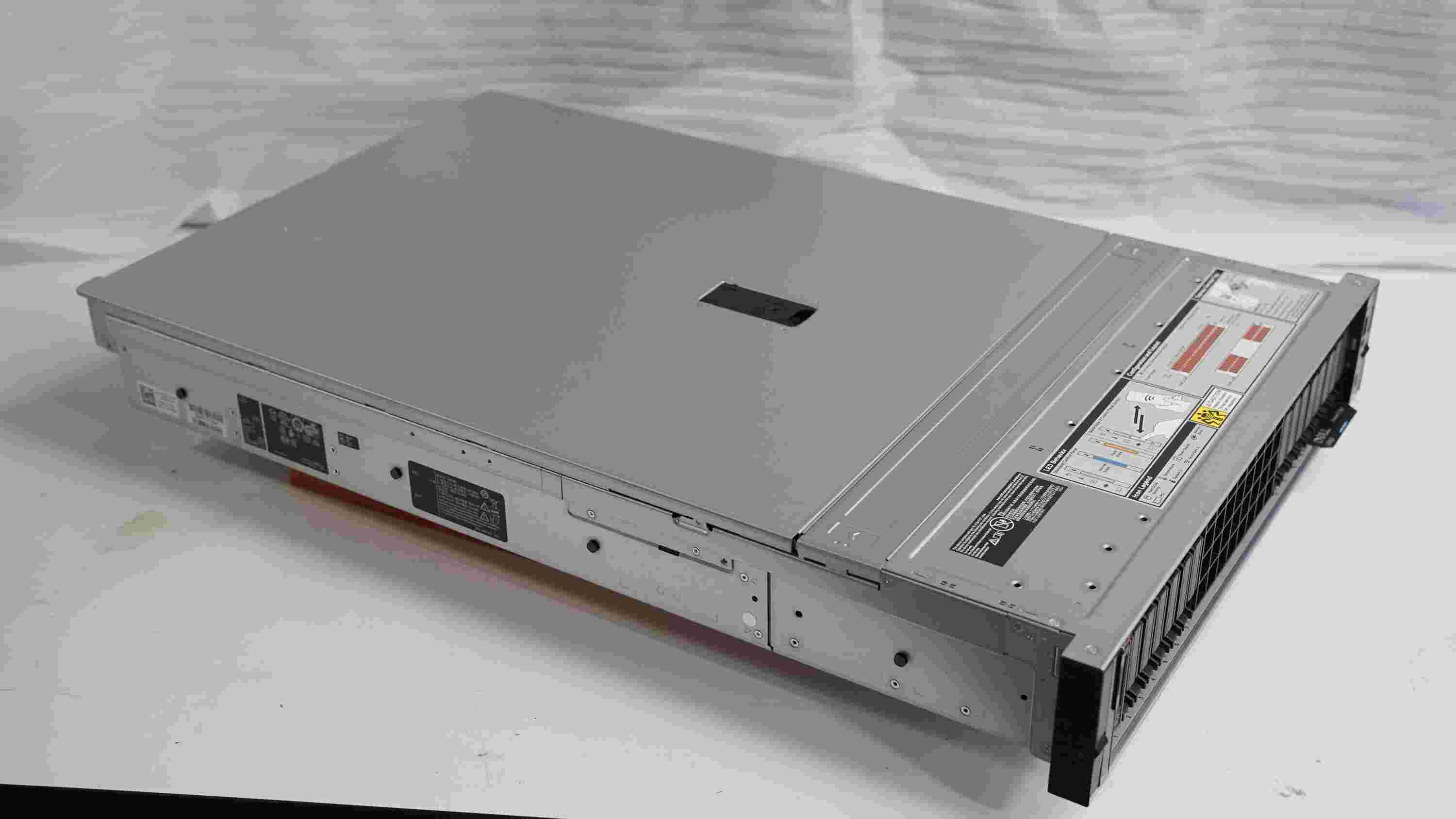
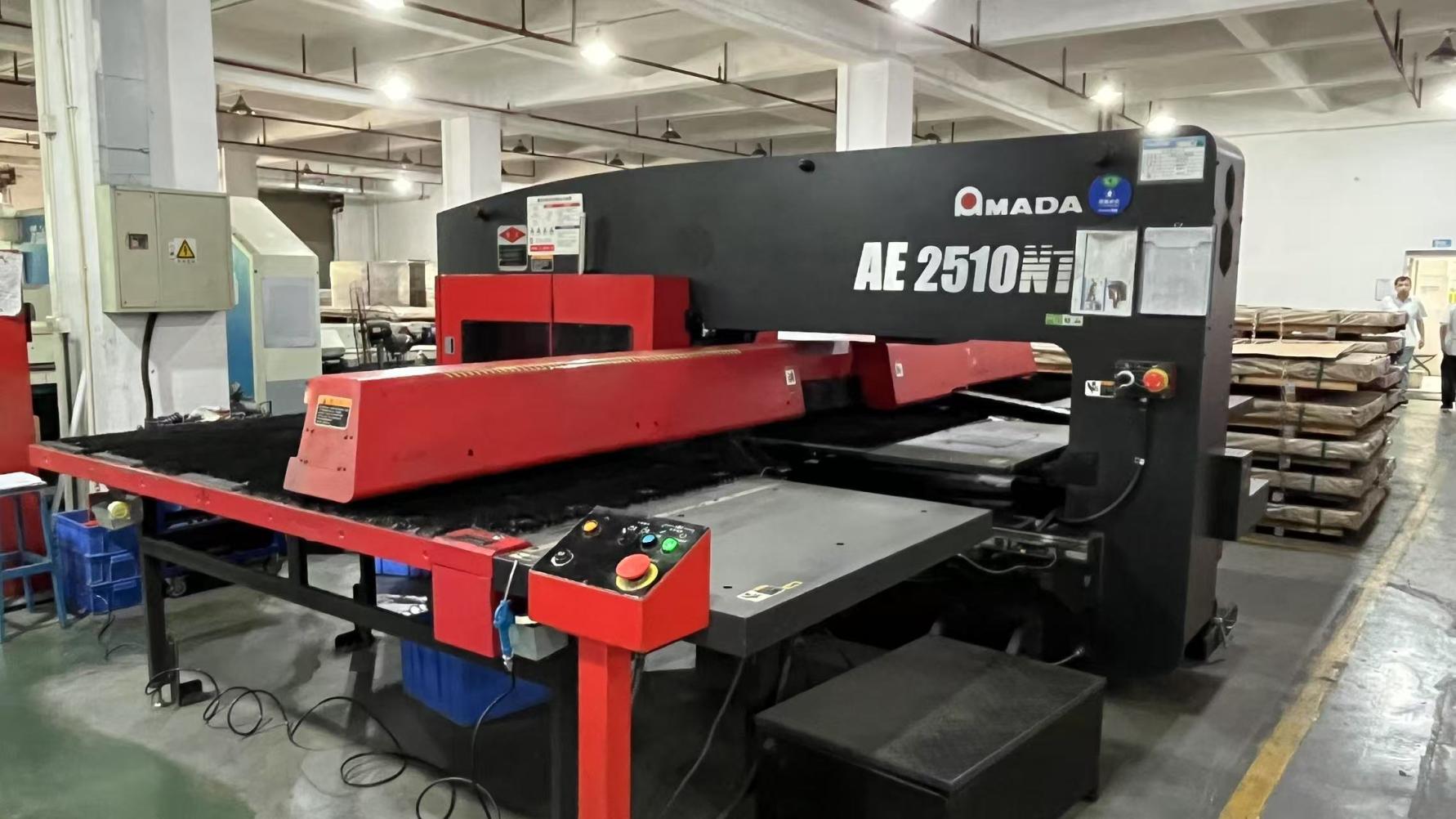
Manufacturing high-speed networking components requires a robust convergence of capital, specialized design talent, and raw component supply chains. China’s manufacturing hubs offer unparalleled advantages in all three areas, making them the premier choice for OEM/ODM clients worldwide.
From raw semiconductor wafers and optical-sub-assemblies (OSA) to basic metal stampings and custom magnetics, all components are sourced locally. OptiLinker collaborates with approximately 850 supply partners to guarantee uninterrupted delivery and buffer against global logistics volatility.
Our dedicated engineering bench features 60 optical engineers specializing in signal integrity, layout architecture, firmware customization, and multi-vendor EEPROM compatibility coding. We convert complex specifications into production-ready physical components rapidly.
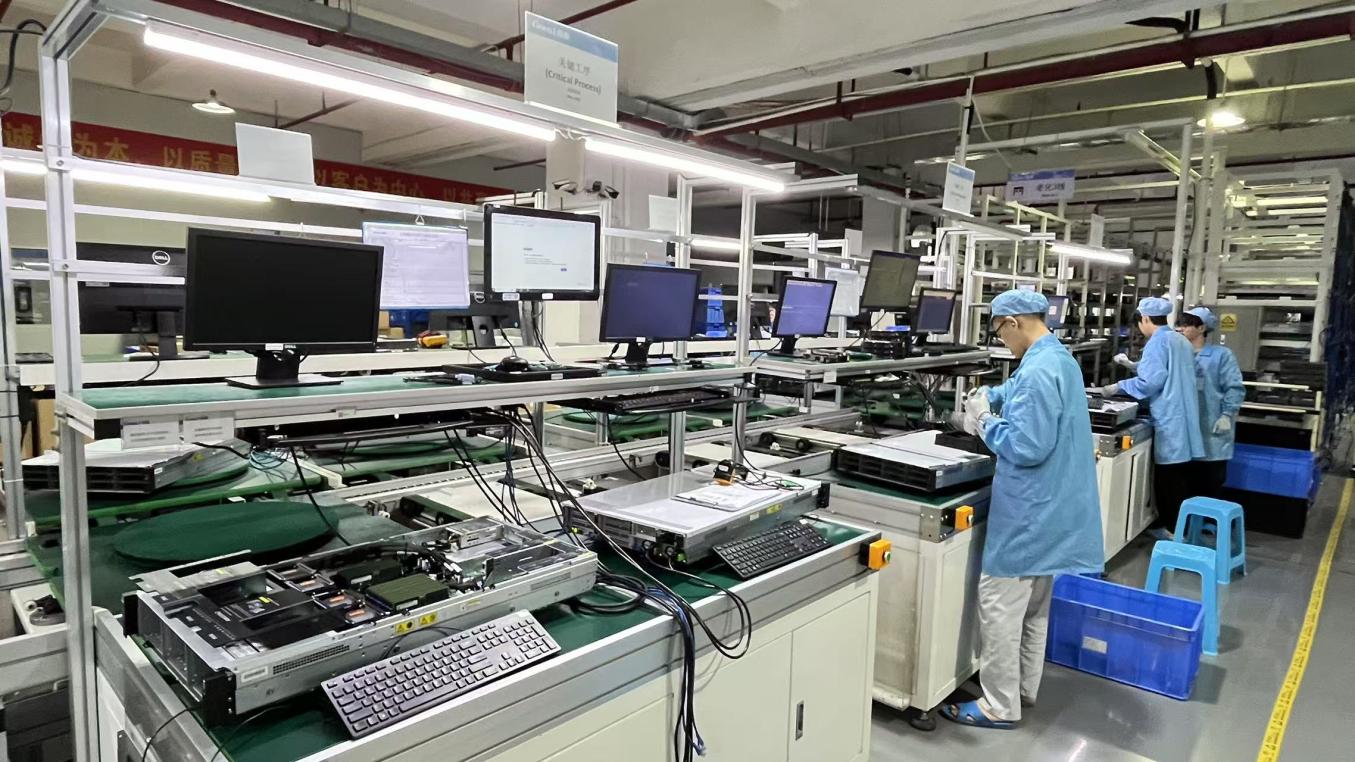
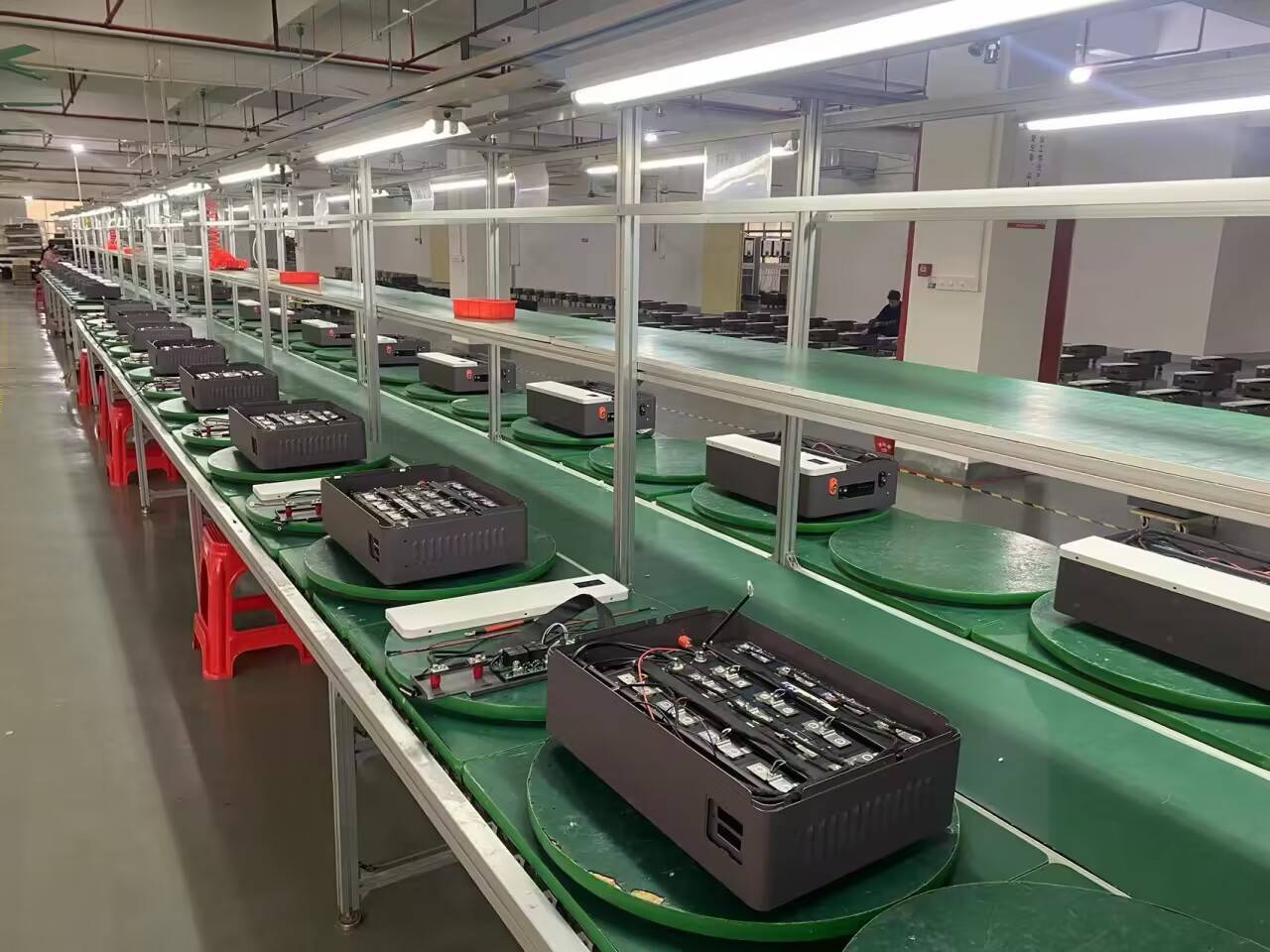
By employing automated visual optical inspection (AOI), automated pick-and-place, and automated high-frequency testing rigs, our production facility mitigates manual errors. This automation enables competitive pricing structures without compromising reliability.
The global networking paradigm is experiencing a fundamental transition toward higher speeds and integrated silicon optics. While 10G and 25G Ethernet infrastructures remain dominant for standard enterprise local area networks (LANs), data centers and hyper-scale cloud zones are scaling to 100G, 400G, and 800G optical lines.
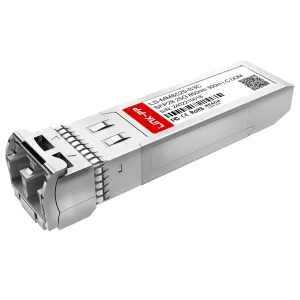
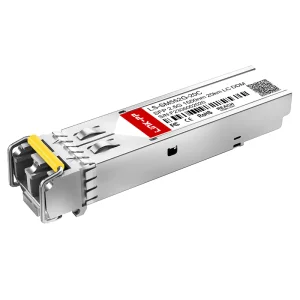
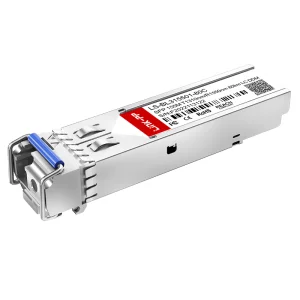
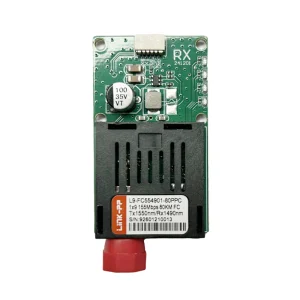
Traditional copper interconnects face physical limits over longer distances due to attenuation and heat dissipation issues. By utilizing advanced transceivers (such as our multimode 850nm 25G SFP28 and single-mode 1550nm SFP modules), network operators convert electrical signals to optical paths closer to the ASIC. This minimizes signal attenuation and drastically decreases latency.
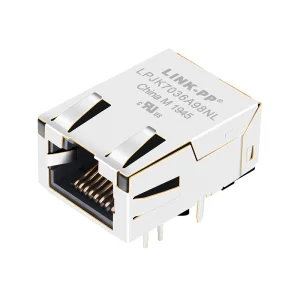
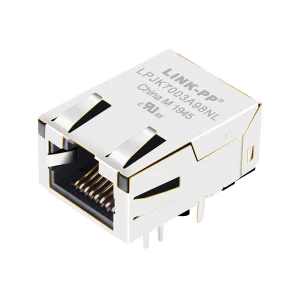
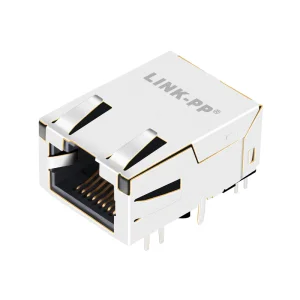
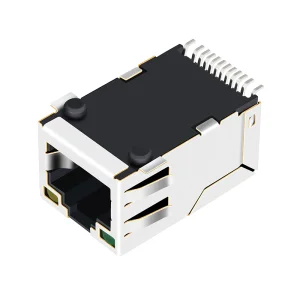
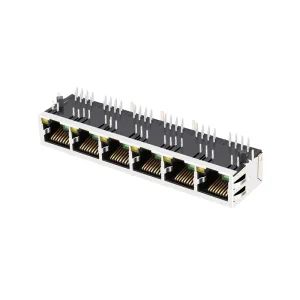
In space-constrained networking devices, integrated magnetics (such as the HR911196AE and L829 series connectors) play a vital role. By integrating the transformers and filtering components directly inside the shielded RJ45 metal cage, engineers save valuable PCB board space while simultaneously protecting the signal path from high-frequency electromagnetic noise.
Modern high-performance Ethernet interfaces and optical link modules are critical across a diverse set of enterprise use cases. OptiLinker’s solutions provide the vital physical links in these typical scenarios:
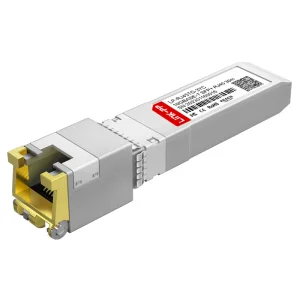
Hyperscale architectures require reliable data pipelines. High-speed transceivers (such as our 25G SFP28 and 10G SFP+ copper modules) facilitate high-density switches, server racks, and network-attached storage (NAS) devices to interoperate seamlessly, maintaining high-throughput links with minimal latency.
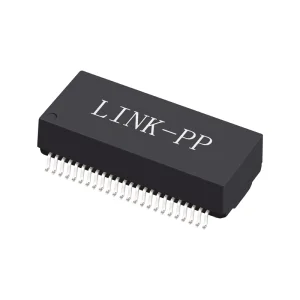
Telecommunications operators rely on robust interfaces like the 1000 BASE-T Ethernet Telecom Lan Transformer (HST-24095SCR) to route voice, data, and video signals across wide-area networks (WAN). Our modules are built to meet rigorous carrier-grade uptime targets.
Industrial environments present harsh conditions including high vibration, dust, and electrical noise. By utilizing ruggedized press-fit SFP cages and shielded RJ45 connectors with integrated LEDs, we guarantee reliable signal transmission in factory automation equipment.
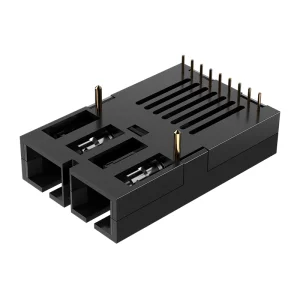
Deploying nodes at the network edge requires compact, low-profile networking components. Single-port low-profile RJ45 modular jacks and low-power optical transceivers are ideal for compact field-deployed routers and outdoor security nodes.
OptiLinker executes strict quality control throughout our manufacturing line. Every component undergoes 100% incoming material inspection, Automated Optical Inspection (AOI), and comprehensive optical performance testing. Verification processes include Bit Error Rate (BER) testing, eye diagram analysis, and high/low temperature cycling tests, ensuring long-term operational stability.
Our engineering team utilizes a specialized database of vendor-specific EEPROM coding requirements. We write and verify custom firmware on our transceivers (such as SFP, SFP28, SFP+) to match the specific cryptographic handshake protocols of target switches, including Cisco, Juniper, TE Connectivity, and other mainstream networking systems.
Integrated magnetics (often termed MagJacks) incorporate isolation transformers, common-mode chokes, and capacitors directly within the connector housing. This setup delivers superior electromagnetic interference (EMI) suppression, filters out high-frequency circuit noise, improves electrostatic discharge (ESD) protection, and reduces board real estate by up to 50% compared to discrete designs.
Each batch is subjected to a comprehensive quality loop: 100% incoming raw component checks, automated optical inspections (AOI) post-SMT, high-frequency signal integrity analysis, eye diagram testing, Bit Error Rate (BER) validation, and thermal cycling chambers. Our team of 35 QC specialists ensures that shipped products match client standards.
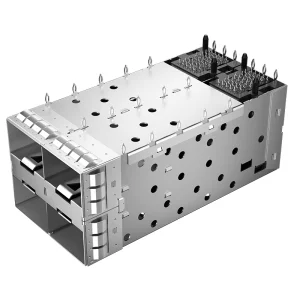
Press-fit designs (like our 2x4 SFP Receptacle Cage or 2x2 SFP+ Cage) rely on mechanical pressure to establish cold-welded electrical interfaces with the PCB through-holes. This eliminates thermal stress associated with soldering, avoids flux contamination, improves signal integrity at high frequencies, and facilitates easier field replacement and board repair.
Yes, we provide customization for transmission distances ranging from 300m on multimode fiber (MMF) up to 80km and beyond on single-mode fiber (SMF) (e.g., our 1310nm/1550nm BiDi 80km SFP modules). We tune the launch power, receiver sensitivity, and wavelengths to fit specific fiber span budgets.