OptiLinker
OptiLinker
OptiLinker
Leading-edge transceiver modules and RJ45 magnetics optimized for low latency and high bandwidth capacity.
Modern data communication infrastructures require physical interfaces that exhibit minimal signal degradation, excellent impedance matching, and high resistance to electromagnetic interference (EMI). As network environments evolve from legacy Fast Ethernet to multi-gigabit copper (10GBASE-T, 5GBASE-T, 2.5GBASE-T) and multi-gigabit optical links (SFP+, SFP28, QSFP28), the role of the Gigabit Ethernet connector and its integrated magnetic modules has become critical.
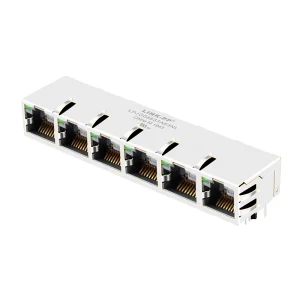
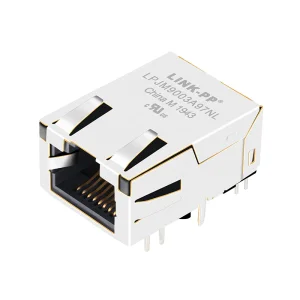
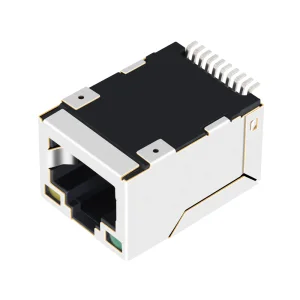
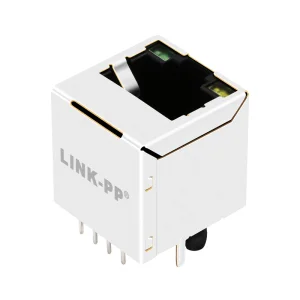
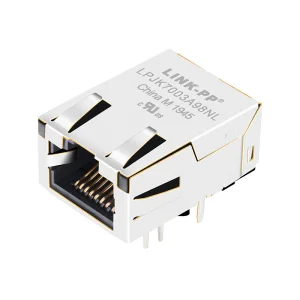
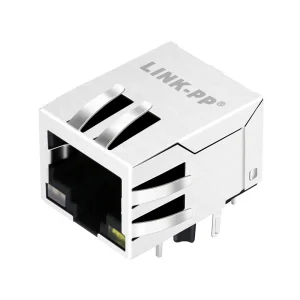
In high-density network switches and routers, integrated connector modules (ICMs)—colloquially known as "Magjacks"—combine the mechanical interface of the RJ45 port with complex internal transformer circuits. These circuits serve two vital functions: electrical isolation in compliance with the IEEE 802.3 standard (preventing dangerous ground loop currents and voltage surges) and signal conditioning (suppressing common-mode noise and filtering high-frequency interference).
OptiLinker Optoelectronics is at the forefront of this technological shift, bridging the gap between high-speed copper interconnect components and advanced optical-to-electrical transceivers. By deploying strict signal integrity engineering and comprehensive thermal validation, our connectors maintain robust operation across harsh environments.

Combining years of domestic supply chain mastery with strict international compliance structures.
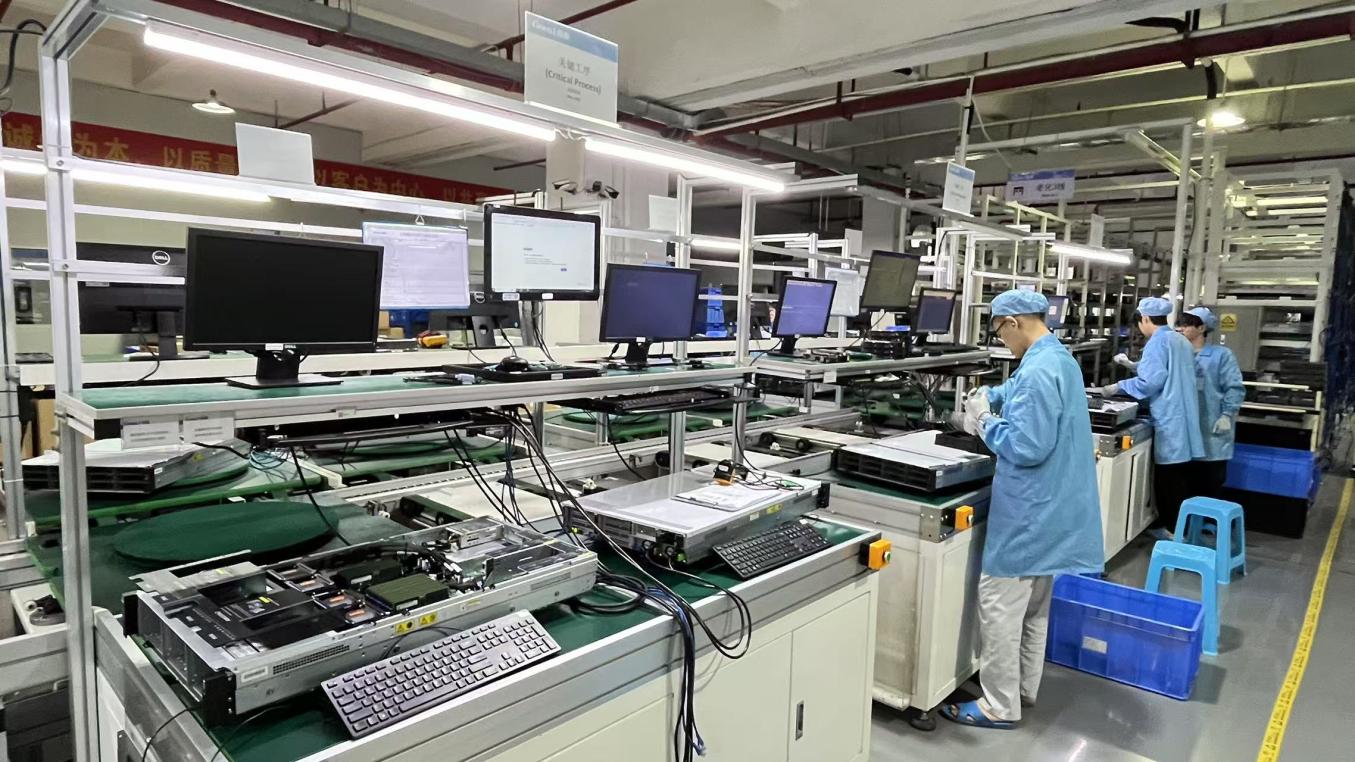
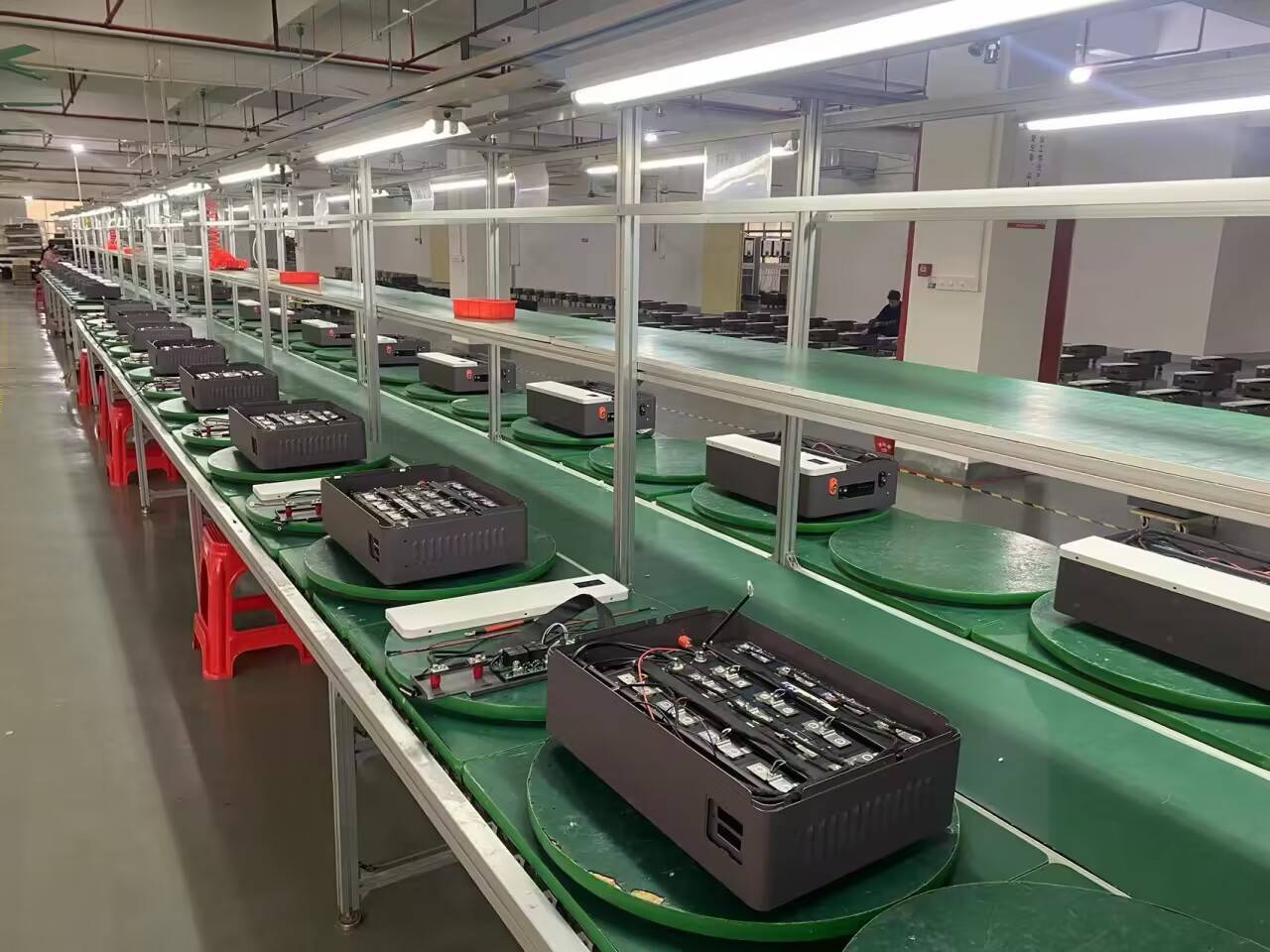
Leveraging localized ecosystems, manufacturing scale, and high-degree customizable designs.
China's manufacturing clusters concentrate raw materials, precision stamping, injection molding, and coil winding operations in close geographic proximity. This minimizes logistical latency and secures competitive component costs.
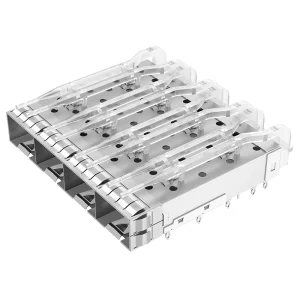
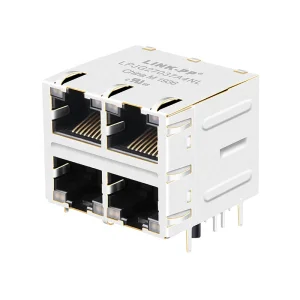
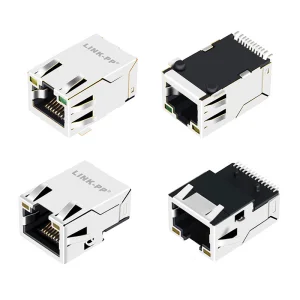
We offer bespoke engineering options, including custom tab directions (Tab-Up/Tab-Down), low-profile form factors, varied LED indicator integrations, customized magnetics for specific PHY chips, and custom multi-port ganged configurations (e.g., 1x4, 2x2).
Leading Chinese exporters comply with international environmental and electrical safety guidelines. Our products adhere to RoHS, REACH, CE, FCC, and UL requirements, easing transition into North American and European networks.
Ensuring reliable electrical performance under extreme operational stress.
Supported by a team of 35 dedicated QC professionals. Our processes mandate 100% incoming raw material inspection, Automated Optical Inspection (AOI), and comprehensive optical-to-electrical performance validation.
Every production batch undergoes Bit Error Rate (BER) testing, eye diagram analysis, insertion/return loss assessment, and crosstalk evaluation. Connectors must conform strictly to predefined signal margin requirements.
We subject components to high/low temperature cycling tests, thermal shock chamber runs, and moisture resistance screening, assuring stable signal throughput and mechanical durability under fluctuating industrial environments.
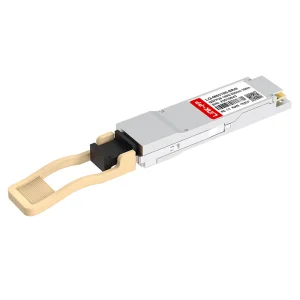
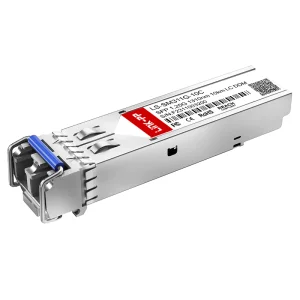
Our 60 optical engineers configure transceivers for compatibility with diverse platform vendors (such as Cisco, Juniper, TE, and Huawei). We support custom wavelength tuning, distance tuning, packaging form-factors, and firmware coding.
Engineered solutions deployed across telecommunications, hyperscale compute, and edge IoT devices.
Integrating 1000BASE-T and 10GBASE-T RJ45 magnetic modules with heavy EMI shielding allows enterprise-grade switches to process high-throughput data lanes without crosstalk, packet loss, or frame drops.
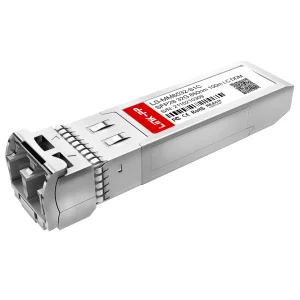
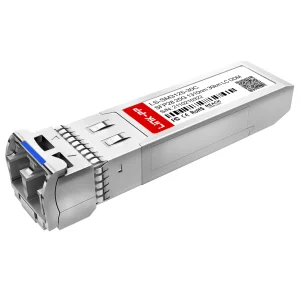
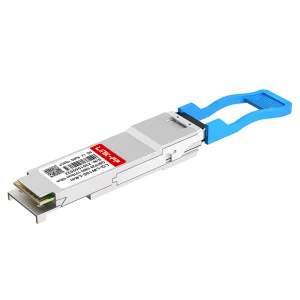
High-density optical networks depend on SFP28 and QSFP28 form factors. OptiLinker's single-mode and multi-mode transceivers guarantee low jitter and excellent thermal stability over long links in Storage Area Networks (SAN).
Industrial machines require components resistant to physical vibration and chemical exposure. Low-profile, inverted, and board-mounted RJ45 connectors provide mechanical latching and continuous connectivity on factory floors.
Answering standard design and compliance questions for global procurement managers.
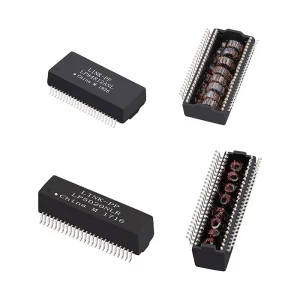
A basic RJ45 connector consists of a plastic housing with metal contact pins, relying on external, board-mounted magnetics for signal processing. An ICM (or Magjack) integrates these isolation transformers, common-mode chokes, resistor networks, and high-voltage capacitors directly inside the connector's metal shielding. This integration saves PCB space, shortens traces to the PHY chip, reduces electromagnetic radiation, and improves overall signal integrity.
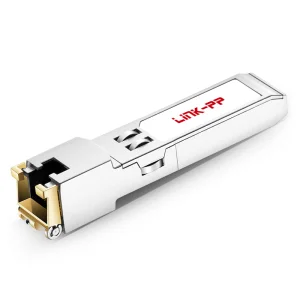
Our engineers read and program the EEPROM/MCU register values within the transceiver modules to match specific vendor protocols (such as Cisco, TE, Juniper, and Huawei). We follow Multi-Source Agreements (MSAs) for form factors like SFP+, SFP28, and QSFP28, which ensures physical compatibility, while our custom firmware configurations bypass vendor lock-in mechanisms.
Gold plating protects copper-alloy contact pins from oxidation and wear due to repeated mating cycles. Industry standards vary from gold flash up to 50 micro-inches (50u"). For enterprise-grade networks, 30u" to 50u" gold plating is recommended to ensure minimum contact resistance over thousands of insertion cycles.
Copper cables experience rapid signal attenuation at high frequencies. While copper works well for short distances, links above 10 Gbps and distances beyond a few meters require fiber optic cables. Optical transceivers convert electrical signals to light pulses, enabling high data transfer rates, lower latency, and immunity to electromagnetic interference over long runs.
PoE allows network cables to carry electrical power along with data. Standard PoE (IEEE 802.3af) delivers up to 15.4W of DC power, PoE+ (IEEE 802.3at) provides up to 30W, and PoE++ (IEEE 802.3bt) supports up to 60W or 90W. Connectors designed for PoE require high-quality magnetics with thick insulation wire to handle the increased current without overheating or saturating the magnetic cores.
Extended connectivity selections including single-mode fiber modules, SMT connectors, and low-profile jacks.