OptiLinker
OptiLinker
OptiLinker
Engineered for high-frequency signal integrity, complete EMI isolation, and pin-to-pin compatibility with global networking switches.
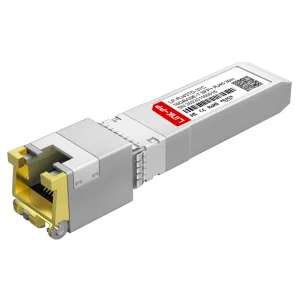
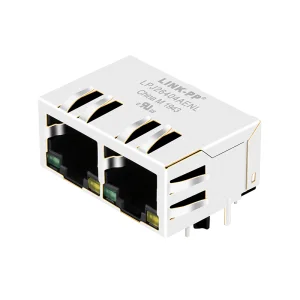
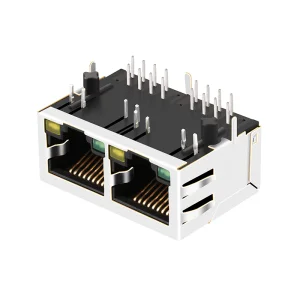
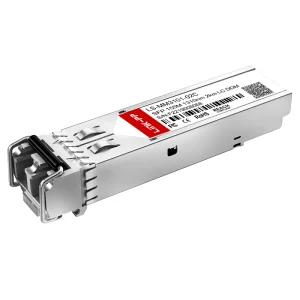
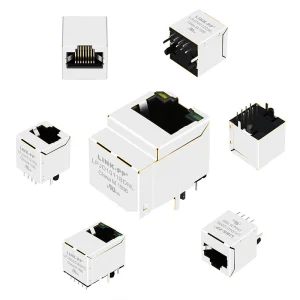
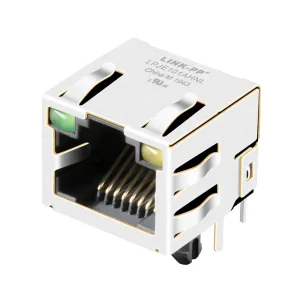
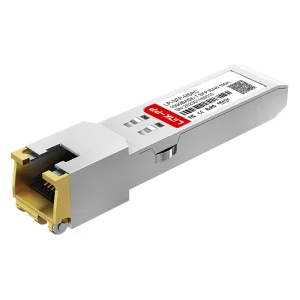
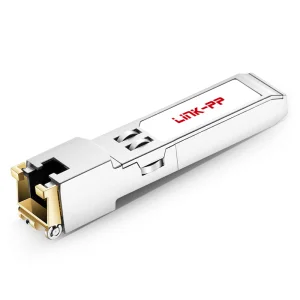
Within modern enterprise networks, the RJ45 (Registered Jack 45) interface remains the cornerstone of twisted-pair copper connectivity. Despite the rapid growth of fiber optic systems, copper links running over high-grade Category cables continue to command the physical layers of data centers, edge computing environments, and industrial automation networks. To achieve high-speed data propagation, the design of these interfaces must adhere to strict physical, electrical, and magnetic parameters.
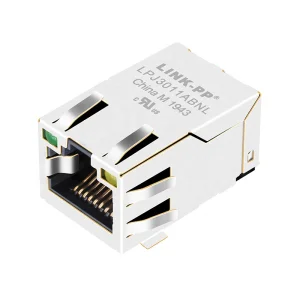
Choosing an RJ45 connector compatible supplier requires a thorough understanding of mechanical and electrical constraints. Pin alignments, contact resistances, shielding styles, and layout characteristics impact Insertion Loss (IL), Return Loss (RL), and Near-End Crosstalk (NEXT). A slight variance in internal engineering can result in packet drops, impedance mismatches, or structural failure when operating under high-frequency thermal stress.
High-performance RJ45 connectors use precise geometry to manage electromagnetic interference:
How global network procurement teams address interoperability, electrical standards, and supply chain resilience.
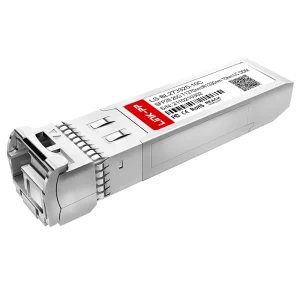
Enterprise data centers use SFP+ copper modules to bridge high-speed switch backplanes with copper-based servers over distances under 30 meters. Direct sourcing of compatible modules offers a cost-effective alternative to proprietary OEM components.
Harsh environments require IP-rated mechanical components, vibration-resistant PCBs, and high operating temperatures. Supplying connectors with robust magnetic isolation maintains signal stability in noisy environments.
With Type 4 PoE delivering up to 90W of power, contacts must handle high currents without overheating. Sourcing suppliers with high thermal ratings prevents degradation at contact points.
OptiLinker's hardware portfolio addresses key points of failure in complex physical networks:
As networks expand, copper and optical links are combined to balance cost and performance. Systems use fiber backbones for long-distance data transmission while relying on copper interfaces for short-distance distribution. This hybrid architecture requires components that can interface reliably between physical media.
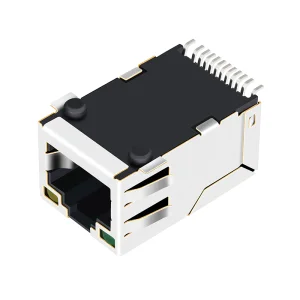
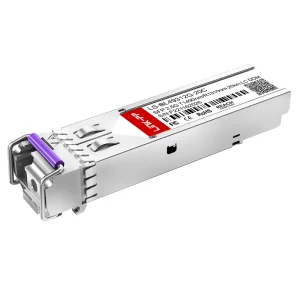
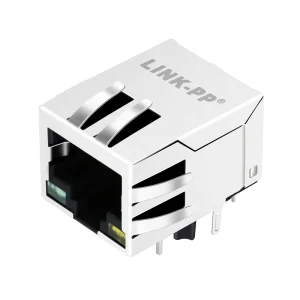
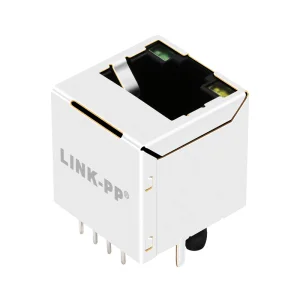
In telecommunications networks, SGMII copper SFPs bridge fiber-based distribution networks with local copper switches. High-density edge switches use vertical RJ45 jacks with integrated magnetics to maximize port density. Industrial systems require robust mechanical interfaces, such as SMT or through-hole shielded connectors, to handle continuous thermal changes and vibrations.
The pathway toward higher speeds, unified industrial standards, and co-packaged optical interfaces.
Developing Category 8 copper connections for speeds up to 40Gbps over short runs (up to 30 meters). This requires precise crosstalk and insertion loss management at frequencies up to 2GHz.
Deploying IEEE 802.3cg/ch standards to replace fieldbus networks with single-pair Ethernet. This reduces cable weight and complexity in industrial and automotive installations.
Integrating optical engines with switch silicons to bypass electrical board losses. Active SFP copper modules remain essential for supporting legacy networking equipment.
Under the brand OptiLinker (www.optilinkertrans.com), we manufacture and supply optical transceiver modules and integrated magnetic connectors for global data center and telecom infrastructures.
Founded in 2016, OptiLinker operates a manufacturing facility with a building area of approximately 320㎡. Backed by 12 years of industry experience and 8 years of export experience, the company delivers reliable networking interfaces to customers worldwide.
Over the past year, OptiLinker reached an annual export revenue of approximately USD 12 million. We serve network equipment manufacturers, system integrators, and telecom operators across North America, Europe, Southeast Asia, and the Middle East. Through OEM/ODM partnerships, we support global critical infrastructure networks.
Quality control at OptiLinker relies on automated testing and empirical verification. The company maintains a 35-member quality control team that manages rigorous test processes:
Annual Export Volume
Industry Experience
R&D Engineers
Supply Chain Partners
Global supply chain management requires compliance with international regulatory standards. Sourcing network components from China requires strict adherence to environmental, safety, and performance standards. OptiLinker's components are designed to meet global market specifications.
Our manufacturing and sourcing pipelines comply with RoHS and REACH directives, ensuring all components are free from hazardous materials. Transceiver units and integrated modular jacks are designed to comply with CE, FCC, and UL safety requirements. Additionally, our R&D team uses advanced compatibility programming to ensure SFP and RJ45 modules integrate seamlessly with multi-vendor networks.
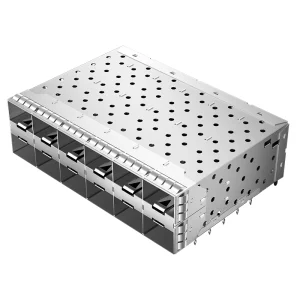
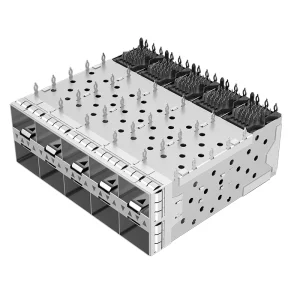
All SFP transceivers and physical cage assemblies conform to the SFP Multi-Source Agreement. This guarantees mechanical and electrical compatibility with hardware from leading brands like Cisco, Juniper, and Arista.
We offer custom EEPROM programming and engineering support through our FAE teams. We support specific networking protocols, physical dimensions, and electrical parameters to meet customer requirements.
Answers to common technical, manufacturing, and compliance questions about RJ45 compatible systems.
SFP+ to RJ45 Copper Transceivers allow 10G connections over structured twisted-pair Category cables (Cat6a/Cat7) for distances up to 30 meters. This provides installation flexibility compared to DAC cables, which are rigid and limited to lengths under 7 meters. They allow network administrators to leverage existing copper cabling networks instead of deploying dedicated fiber networks.
Integrated magnetics contain isolation transformers and common-mode chokes inside the RJ45 housing. This isolation filters out common-mode noise and provides electrical protection against ESD, static discharges, and electrical transients. Without these magnetics, high-voltage transients on the Ethernet cable could damage the physical layer transceiver (PHY) chip.
Tab-Up and Tab-Down refer to the orientation of the RJ45 cable's locking tab when plugged into the jack. In Tab-Up configurations, the PCB is located on the opposite side of the locking tab, whereas Tab-Down places the locking tab next to the PCB. Selecting the correct orientation is critical for physical clearance and ease of cable disconnection in high-density installations.
Gold contact thickness determines a connector's resistance to oxidation and mechanical wear. Standard connectors may use thinner gold plating (e.g., 3μ" to 15μ"), which can wear through quickly over repeated mating cycles. Industry-standard 50μ" gold-over-nickel plating ensures a low-resistance connection that can withstand a minimum of 750 insertion cycles, preventing connection issues over time.
High-density passive and active hardware designed for core routers, switches, and industrial media converters.