OptiLinker
OptiLinker
OptiLinker
High-performance components designed to drive long-distance HDMI extenders, active optical links, and Ethernet transmission grids.
As ultra-high-definition digital video standards evolve from HDMI 2.0 to HDMI 2.1, network infrastructure demands lossless, low-latency transmission across significant physical distances. Standard HDMI cables exhibit severe signal degradation beyond 7 to 10 meters due to copper attenuation and electromagnetic interference (EMI). To overcome this physical limitation, enterprise systems leverage HDMI extenders designed around three core technologies: HDBaseT, AV-over-IP, and Optical Fiber Extension.
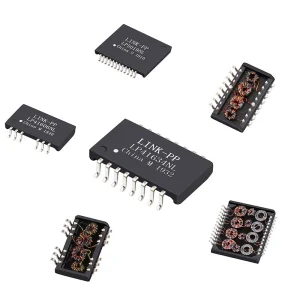
Utilizes proprietary packetized transmission over Category 6/6A copper wiring. HDBaseT converges uncompressed Ultra-HD digital video, audio, Ethernet, controls (CEC, RS-232, IR), and Power-over-Cable (PoC) up to 100 meters. The stability relies heavily on balanced discrete magnetic isolation to suppress common-mode noise.
Translates HDMI signals into standardized IP packets routed through 1GbE or 10GbE network switches. By utilizing high-speed Ethernet transceivers and EMI-shielded SFP cages, AV-over-IP provides virtually limitless scalability, allowing dynamic matrix switching over existing local area networks.
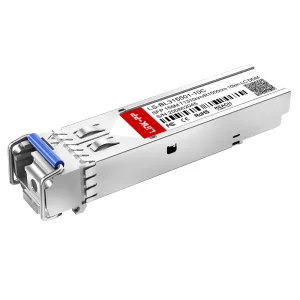
Converts electrical signals to optical signals using integrated laser diodes. Utilizing optical transceivers (such as SFP/SFP28 form factors) and single-mode fiber (SMF), optical HDMI extenders transport uncompressed 4K and 8K signals up to several kilometers with absolute immunity to radio frequency interference (RFI).
Where high-bandwidth AV extension meets mission-critical digital infrastructure.
In municipal command centers, traffic control hubs, and security operations, hundreds of video feeds must be routed to localized video walls. Extenders relying on robust RJ45 magnetic connectors and copper-to-fiber transceivers ensure zero-frame drops and continuous 24/7/365 operation under high electromagnetic load.
Operating rooms and diagnostic labs require high-resolution (4K/8K) lossless video transmission with strict galvanic isolation. Fiber-optic HDMI extenders provide the necessary dielectric isolation to protect sensitive medical telemetry equipment from potential power surges while providing absolute visual clarity.
Modern enterprise boardrooms integrate multi-device configurations requiring dynamic switching over long distances. HDBaseT and AV-over-IP extenders enable seamless HDMI signal routing from boardroom tables to distant overhead projectors and interactive displays, complete with bidirectional control routing.
| Extension Medium | Max Distance | Latency Profile | Key Component Dependency |
|---|---|---|---|
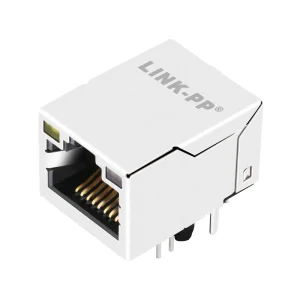
| Cat6 copper (HDBaseT) | 100m | Zero Latency (< 10µs) | Quad discrete transformers, RJ45 jacks |
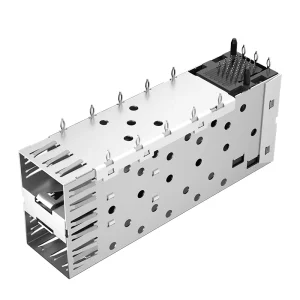
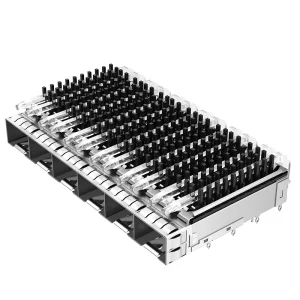
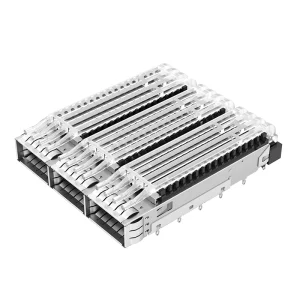
| AV-over-IP (10G Switch) | 100m per hop | Ultra-low (< 100µs) | EMI Shielded SFP+ cages, Active SFP transceivers |
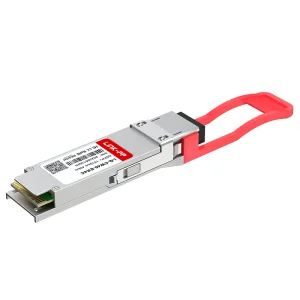
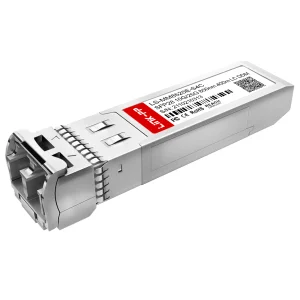
| Single Mode Fiber (SMF) | 10km - 40km | Speed of light (Zero) | 1270/1330nm BiDi SFP28, 40G QSFP+ transceivers |
Tailoring physical link layers to regional environments and structural standards.
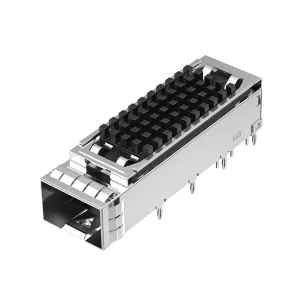
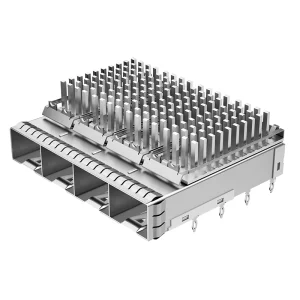
Heavy utilization of plenum-rated Category cabling (CMP) and strict FCC Part 15 compliance. Integration of premium press-fit EMI-shielded SFP+ cages with custom heatsinks guarantees thermal stability in enclosed equipment closets and server racks, mitigating packet loss caused by localized overheating.
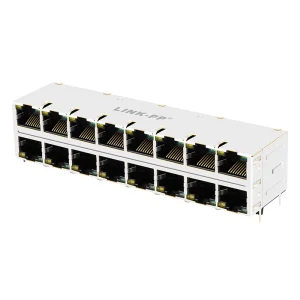
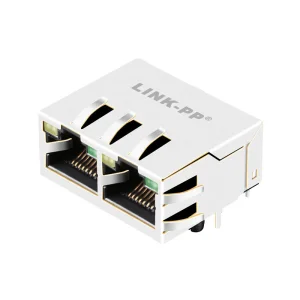
Focuses on high electromagnetic immunity (EMC directive compliance) and DIN-rail mounted extension hardware. System integrators leverage our high-density 1x4 and 2x8 RJ45 connectors with integrated shielding and discrete magnetic transformers to ensure error-free transmission near heavy electric motors.
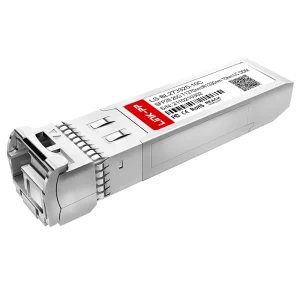
Driven by ultra-long-distance fiber optic backbones (FTTX). Deployments utilize BiDi SFP28 25G transceivers and 40G QSFP+ modules to multiplex hundreds of digital signage and public informational displays back to central municipal cloud nodes without introducing signal repeaters.
Navigating the convergence of AV-over-IP, 8K resolutions, and AI-enabled bandwidth distribution.
The progression to 8K@60Hz and 4K@120Hz requires a massive raw data throughput of 48Gbps. Traditional copper transmission systems face rapid signal degradation. Future-proof extender architectures rely heavily on optical transceivers capable of high-speed modulation, such as 25G SFP28 and next-generation QSFP-DD modules, to carry uncompressed high-framerate video payloads.
As proprietary hardware matrices give way to standardized Ethernet switches, SDVoE will become the predominant architecture. The physical layer infrastructure will demand high-density multiport connectors (e.g., 2X8 Stacked RJ45 configurations) and low-loss magnetic modules to support 10G/40G backbones.
Extenders are integrating onboard diagnostic microcontrollers to analyze real-time link budgets, optical eye diagram metrics, and packet health. Integrated with cloud portals, they warn technicians of optical signal attenuation or copper packet drops before system downtime occurs.
Translating rigorous process control, optical R&D, and supply-chain efficiency into high-reliability AV solutions.
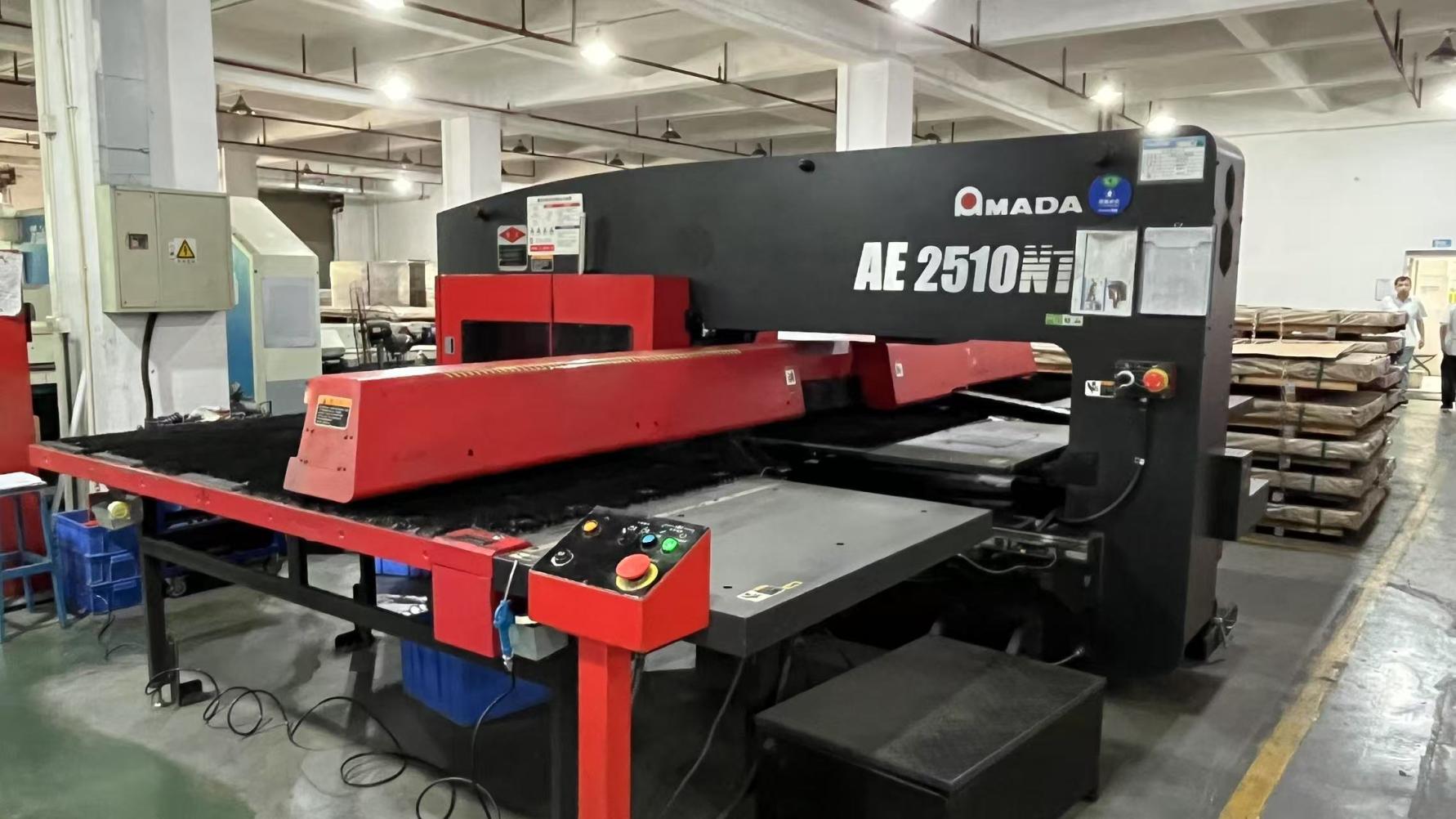
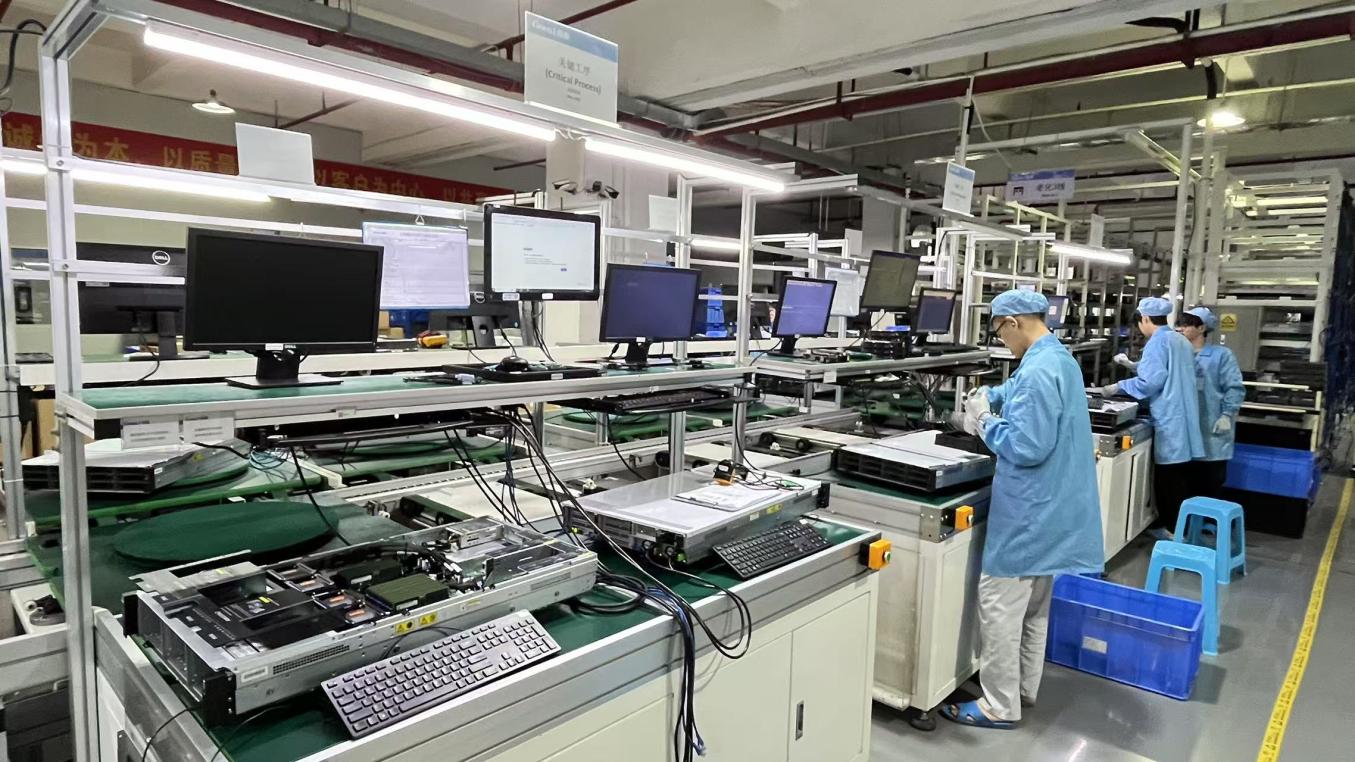
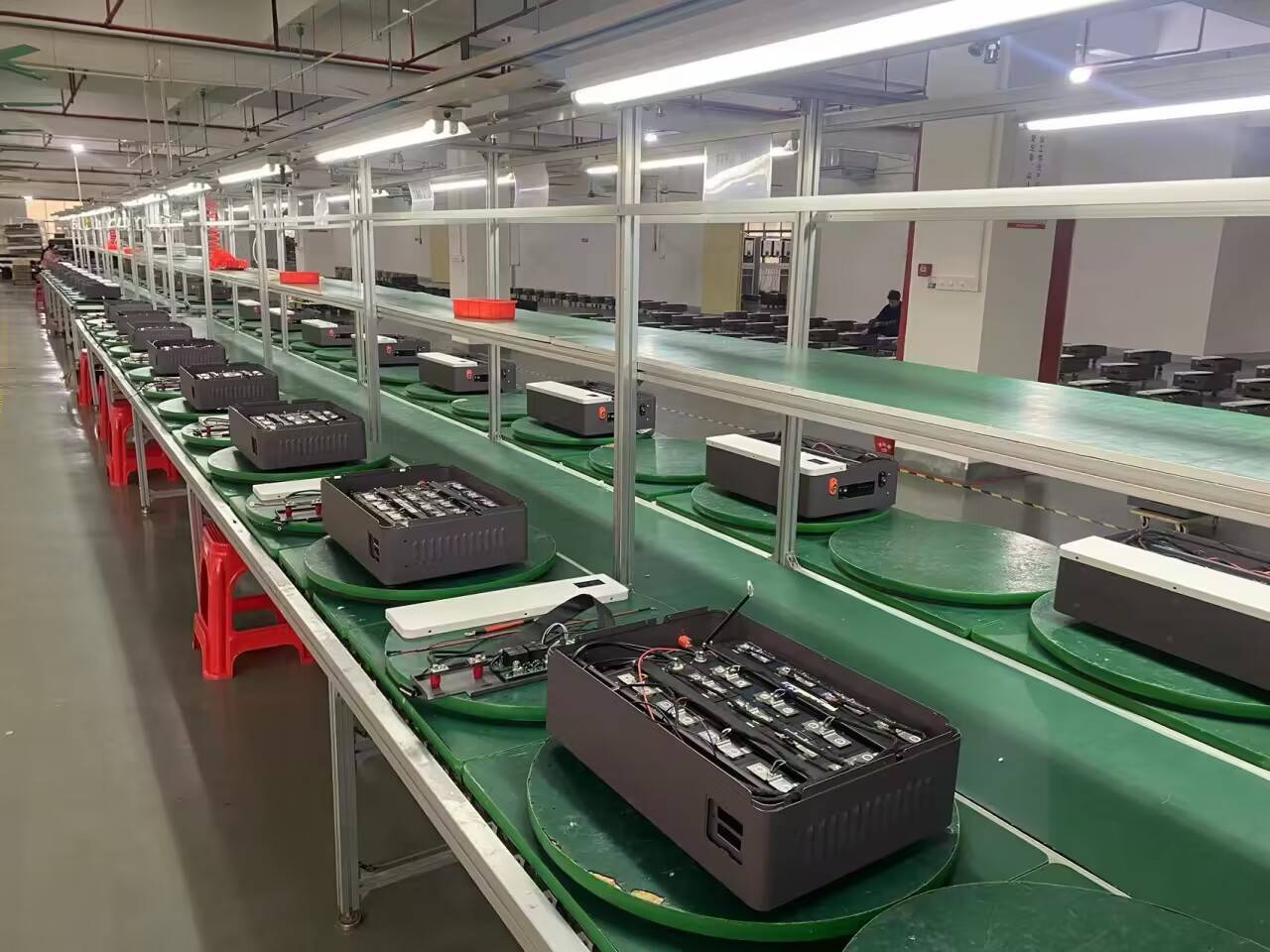
Established in 2016, OptiLinker Optoelectronics Co., Ltd. (OptiLinker) has positioned itself at the forefront of digital connectivity, specializing in high-speed optical modules and network interfaces that serve as the foundational backbone for modern HDMI extension systems. Based on a deep 12 years of industry experience and 8 years of global export track record, we deliver robust OEM/ODM production services.
Operating from a state-of-the-art facilities with a total building area of approximately 320㎡, we optimize our production capacity through a highly integrated global supply chain consisting of over 850 manufacturing partners. This ecosystem guarantees stable access to core components, preventing supply disruption and maintaining short lead times even during volatile market conditions.
Mitigating global deployment risks through comprehensive certifications and local support networks.
Our network interface modules and SFP cages undergo strict shielding testing to ensure compliance with FCC Part 15 Class B (US), CE Mark (Europe), and VCCI (Japan) standards, preventing signal leakage and interference with adjacent medical or enterprise systems.
Maintaining HDCP 2.2 / 2.3 key management compliance across our hardware ensuring seamless handshakes and compatibility with copyrighted Blu-Ray, streaming, and gaming console systems globally.
All component materials, including solder, plastic resins, and magnetic cores, are fully certified lead-free and environment-friendly, meeting strict international green directives for immediate customs clearance.
Resolving common real-world installation bottlenecks and signal integrity challenges.
High Dynamic Range (HDR) video dramatically increases the peak data transmission rate (within the same resolution frame). If your extension medium (Category cable or Fiber link) is operating at its thermal or frequency limits, the signal attenuation causes bit error rates to rise, forcing the HDMI link controller to drop sync. Using high-quality SFP cages with dedicated heat sinks and network modules with 100% verified signal integrity will resolve these high-frequency dropouts.
Extended Display Identification Data (EDID) communicates the display's capabilities (supported resolutions, color spaces, and audio formats) back to the source device. In matrix distribution grids, conflicts occur if different monitors have mismatched resolutions. Standardizing on extenders with active EDID emulation ensures that the source device outputs a stable, compatible format, preventing black screens.
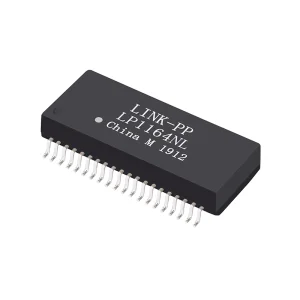
Copper cables act as antennas for nearby high-frequency electrical fields, such as fluorescent ballast controls, HVAC relays, and electrical conduits. Without proper common-mode noise rejection, this electromagnetic noise introduces jitter and packet collisions on the Cat6 line. This is why we integrate heavy shielding and discrete magnetic transformers (such as our 100 Base-T quad port SMD line) to filter out common-mode EMI at the interface level.
It is not recommended. Connecting a single-mode transceiver (e.g., 1310nm SFP) to multi-mode fiber (OM3/OM4) introduces high modal dispersion and insertion loss due to mismatching core diameters (9µm core vs. 50µm core). This results in link degradation over longer runs. For reliable extension, pair your fiber type correctly with compatible optical transceivers.
Active Optical Cables (AOC) feature fixed, non-detachable optical-to-electrical converters on both ends, which are cost-effective for short distances but difficult to repair if damaged in conduits. Transceiver-based systems utilize standard SFP/SFP28 modular slots inside the extender housing, allowing the installer to change optic modules in the field (e.g., changing from a 10km Single Mode link to a 40km link) without replacing the underlying hardware chassis.
PoC allows a single power supply connected to either the transmitter or receiver unit to power both devices through the twisted-pair Category cable. This is achieved by superimposing DC current onto the data lines through center-tapped magnetic isolation transformers. High-quality discrete transformers are critical here to keep the data signals and DC power completely isolated, preventing saturation of the magnetic cores.
Complementary physical interfaces and high-speed optics engineered to construct long-distance transmission grids.
Precision, Reliability, and Technology Leadership in Enterprise Connections.
OptiLinker Optoelectronics Co., Ltd. (OptiLinker) is a professional optical transceiver manufacturer and solution provider under the brand OptiLinker (www.optilinkertrans.com), specializing in high-speed optical communication modules for global data center and telecom applications.
Founded in 2016, OptiLinker operates a modern production facility with a total building area of approximately 320㎡. With continuous development in optical communication technology, the company has accumulated over 12 years of industry experience and approximately 8 years of export experience.
In the past year, OptiLinker achieved an annual export revenue of around USD 12 million, serving customers across North America, Europe, Southeast Asia, and the Middle East. The company maintains a strong global B2B trade background, focusing on OEM/ODM partnerships with network infrastructure providers.
Quality assurance is a core focus at OptiLinker. The company implements 100% incoming material inspection, AOI automated optical inspection, and full optical performance testing. Product verification includes BER testing, eye diagram analysis, and high/low temperature cycling tests, ensuring stable performance under demanding network environments. The quality control team consists of 35 dedicated QC professionals.
OptiLinker collaborates with a global supply chain network of approximately 850 partners, enabling efficient sourcing and stable production capacity. Its main customer base includes telecom operators, data centers, system integrators, and networking equipment manufacturers.
The company has strong R&D capabilities, supported by a team of 60 experienced optical engineers. Its engineering team specializes in high-speed optical design, signal integrity optimization, and protocol compatibility development. OptiLinker offers flexible customization options including wavelength tuning, transmission distance, packaging form factors, firmware coding, and device compatibility programming.
In the last year alone, OptiLinker launched approximately 120 new optical transceiver products, reflecting its continuous innovation and rapid response to market demand.
Driven by innovation and reliability, OptiLinker is committed to delivering high-performance optical connectivity solutions for the global digital infrastructure market.