OptiLinker
OptiLinker
OptiLinker
Explore our highly integrated modular jacks, copper transceivers, and filter modules engineered for mission-critical enterprise systems.
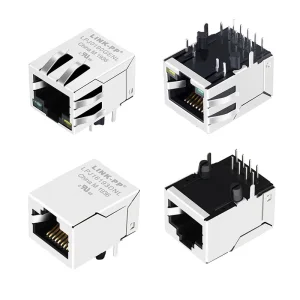
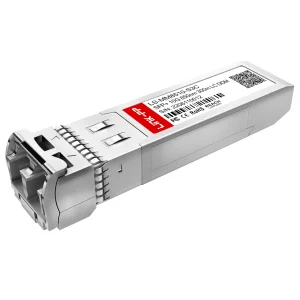
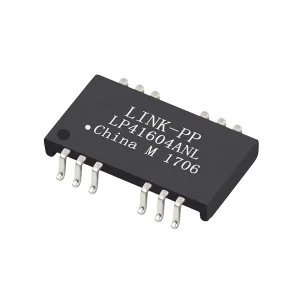
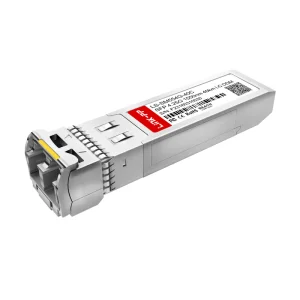
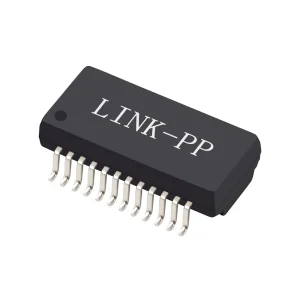
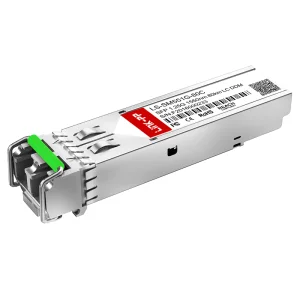
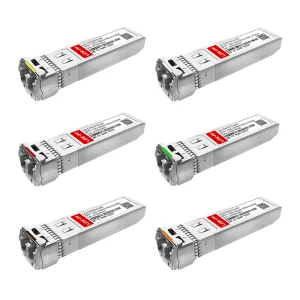
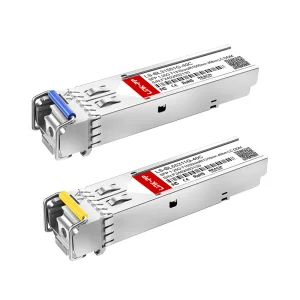
In the rapidly evolving landscape of telecommunications, the humble RJ45 connector has evolved from a basic telephonic termination mechanism to a sophisticated component crucial for high-speed network topologies. Historically, RJ45 was used primarily for lower category copper installations. However, modern implementations demand data throughput rates spanning 1 Gbps, 2.5 Gbps, 5 Gbps, and even 10 Gbps across copper media, which pushes physics to its practical limit.
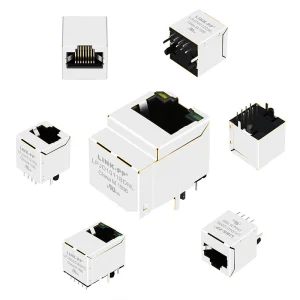
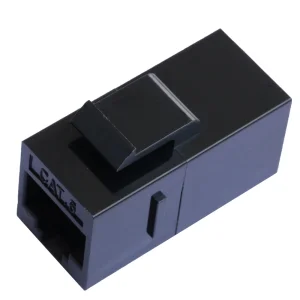
The RJ45 Bridge Connector acts as a physical and electrical bridge, ensuring signal integrity remains stable across interfaces. It incorporates integrated magnetic components, noise-filtering transformers, and precision shielding. These features prevent elektromagnetische Interferenz (EMI) and mitigate Near-End Crosstalk (NEXT) and Far-End Crosstalk (FEXT).
As enterprise architectures demand hybrid deployments integrating fiber optic backbones with copper-to-the-desk configurations, RJ45 bridge connectors provide the necessary physical compatibility interfaces. They support Power over Ethernet (PoE, PoE+, and PoE++), which carries high-wattage power alongside multi-gigabit data streams. This versatility makes them crucial components in modern infrastructure.
“Industry trends indicate a continuous reliance on advanced copper interfaces for edge deployments. The combination of integrated magnetics (MagJacks) and rigorous shielding protocols is no longer optional—it is the baseline for system reliability in the smart industry era.”
For international procurement directors, system integrators, and network engineering companies, navigating the global supply market requires more than just searching for low prices. The risk of network downtime, packet loss, or catastrophic hardware failure due to uncertified components can disrupt supply chains and lead to significant financial losses.
CE Certification (Conformité Européenne) is a critical indicator of conformity. For RJ45 bridge connectors and SFP transceiver modules, it verifies that the products comply with essential European directives:
By sourcing from CE-certified exporters like OptiLinker, procurement teams protect their hardware installations from regulatory issues, cross-border customs seizures, and legal liabilities. This certification ensures system stability and simplifies compliance validation for engineering audits.
High-speed optical communication modules & integrated copper solutions for data centers and telecom applications globally.
OptiLinker Optoelectronics Co., Ltd. is a professional optical transceiver manufacturer and solution provider under the brand OptiLinker (www.optilinkertrans.com). The company specializes in high-speed optical communication modules and copper interconnect products, serving global data center networks and telecommunications infrastructures.
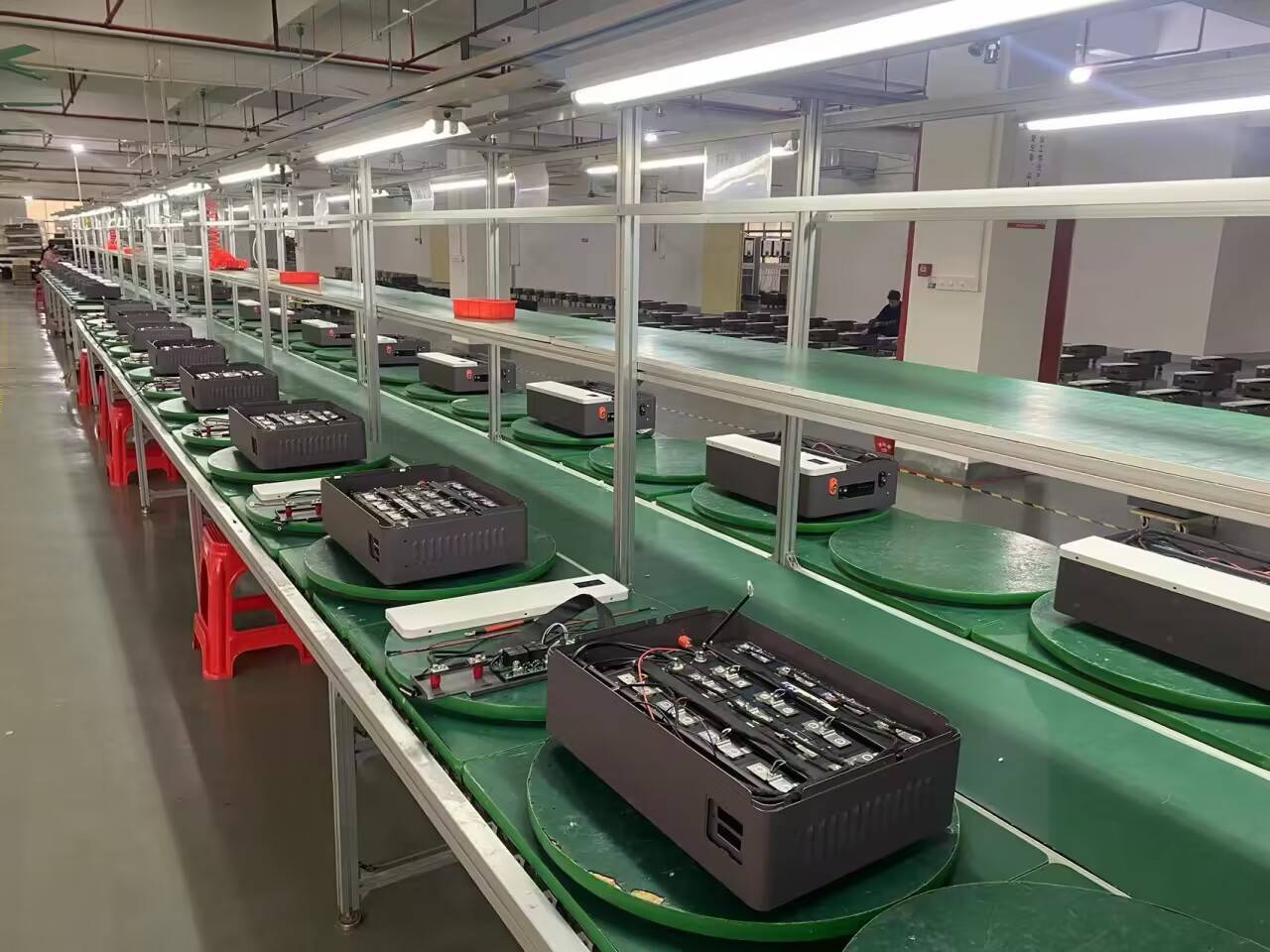
Founded in 2016, OptiLinker operates a modern production facility with a total building area of approximately 320㎡. Over years of development in optical communication and copper interconnection technology, the company has accumulated over 12 years of industry experience and approximately 8 years of export experience.
In the past year, OptiLinker achieved an annual export revenue of around USD 12 million, delivering high-performance components to clients across North America, Europe, Southeast Asia, and the Middle East. The company maintains a strong global B2B trade background, focusing on OEM/ODM partnerships with network infrastructure providers.
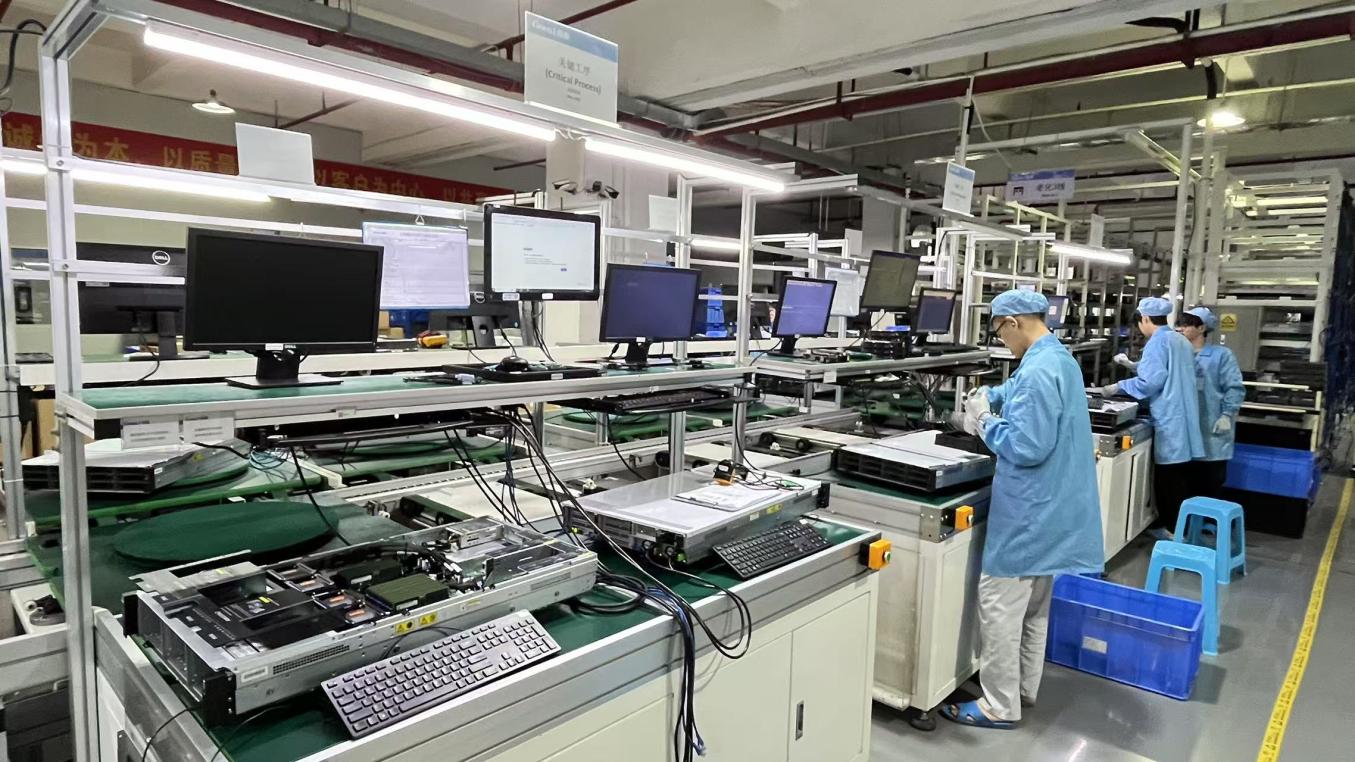
Quality assurance is a core focus at OptiLinker. The company implements 100% incoming material inspection, AOI (Automated Optical Inspection), and full optical performance testing. Product verification includes BER (Bit Error Rate) testing, eye diagram analysis, and high/low temperature cycling tests, ensuring stable performance in demanding network environments. The quality control team consists of 35 dedicated QC professionals.
OptiLinker collaborates with a global supply chain network of approximately 850 partners, enabling efficient sourcing and stable production capacity. Its main customer base includes telecom operators, data centers, system integrators, and networking equipment manufacturers.
Supported by a team of 60 experienced optical engineers, OptiLinker offers customization options including wavelength tuning, transmission distance, packaging form factors, firmware coding, and device compatibility programming. In the last year alone, OptiLinker launched approximately 120 new optical transceiver products.
Industry Experience
Annual Export Revenue
Dedicated QC Pros
Optical Engineers
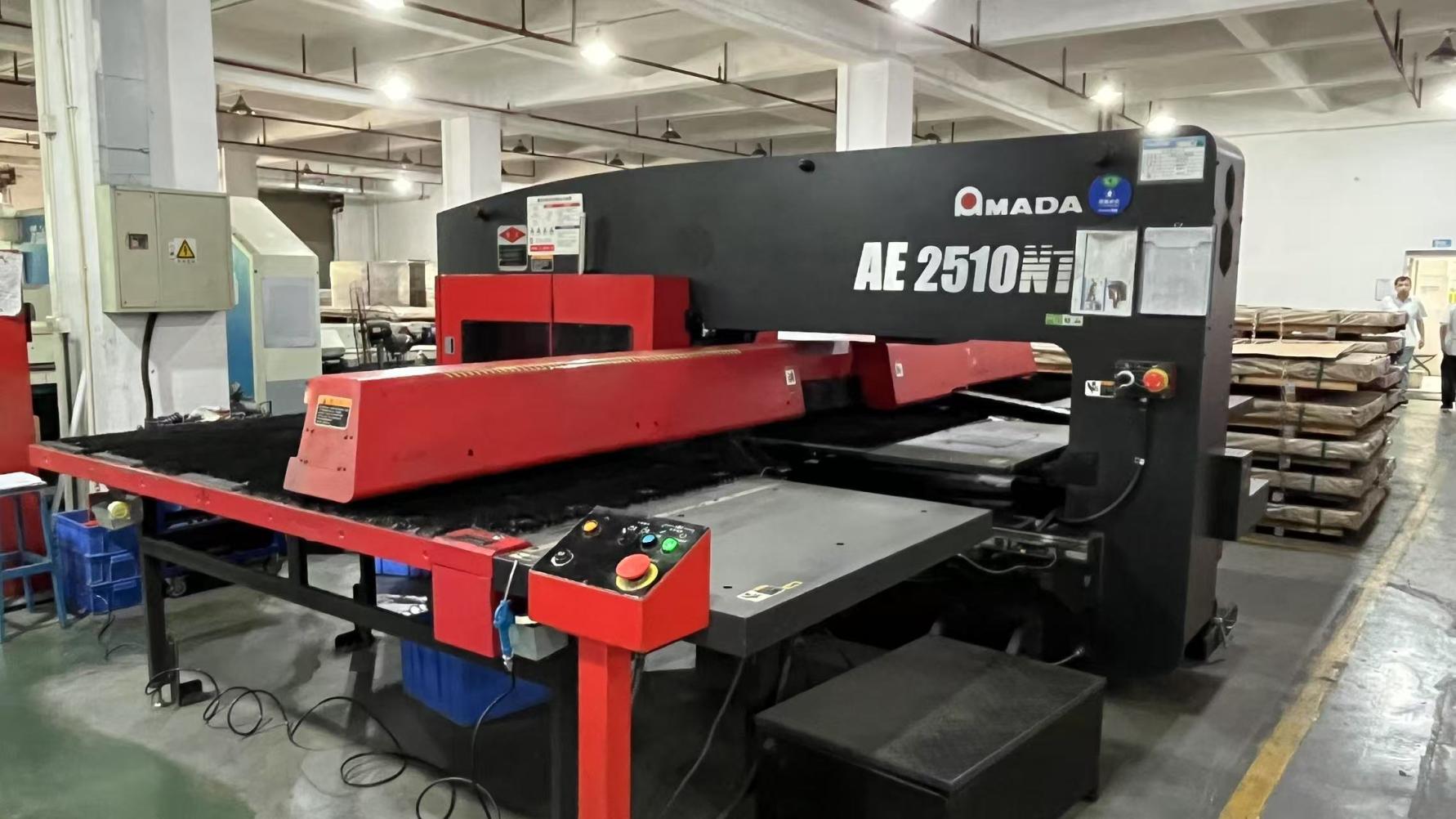
China's manufacturing sector has transitioned from a high-volume production base to a hub of automated, high-precision industrial engineering. This transition is characterized by "Factory 4.0" practices, integrating automated production, real-time quality control, and data-driven supply chain tracking.
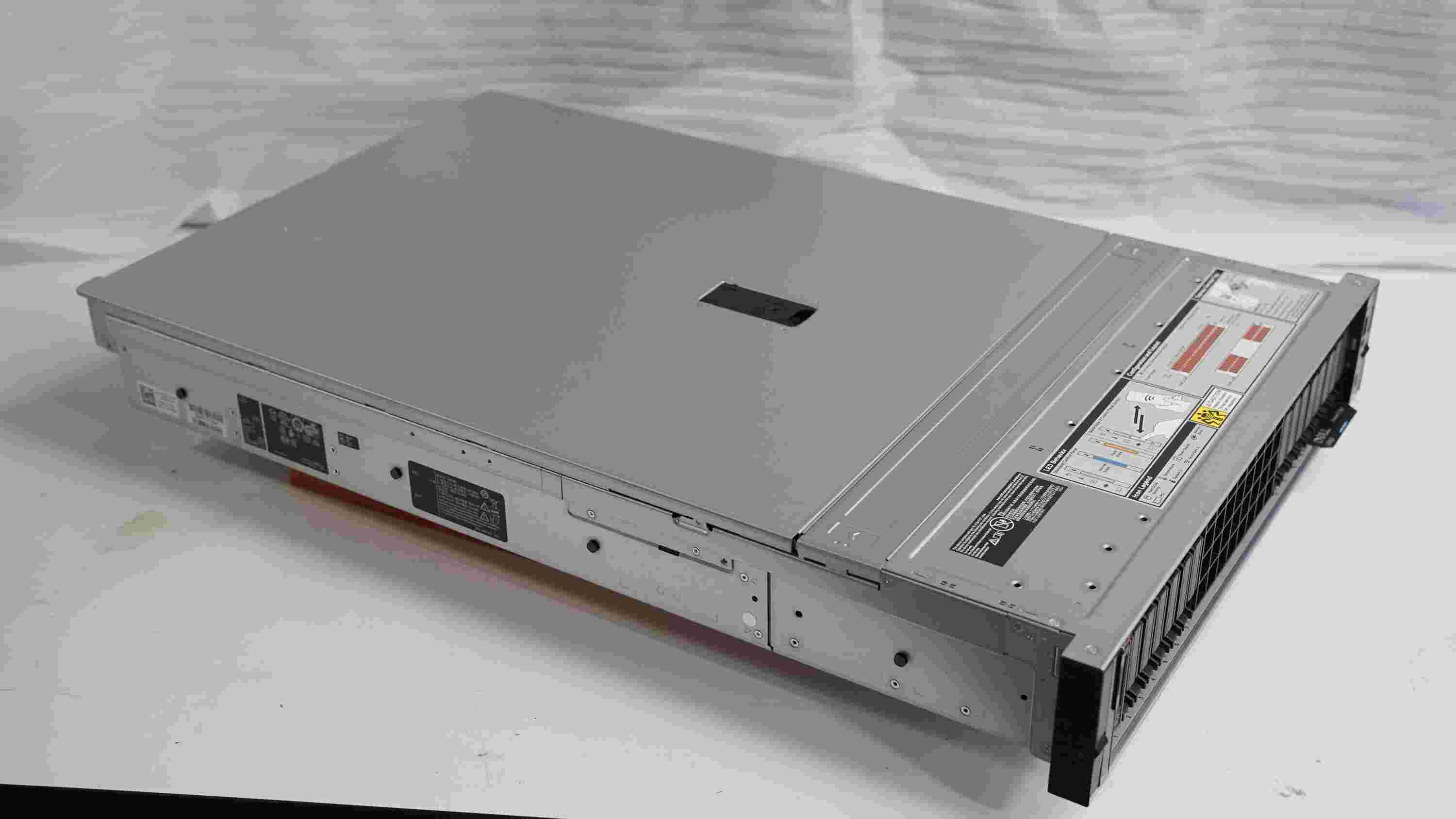
At OptiLinker, Factory 4.0 means minimizing human error in precision assembly. Automated soldering stations, robotic terminal insertion, and inline visual scanning ensure consistent manufacturing quality. The integration of AOI automated optical inspection with high-frequency test systems ensures that every RJ45 bridge connector and transceiver module meets exact dimensional and electrical standards before leaving the factory.
Additionally, this manufacturing ecosystem offers significant supply chain resilience. With access to a network of approximately 850 component partners, OptiLinker manages raw material sourcing effectively. This extensive supply chain helps mitigate shortages of specialized plastics, high-grade copper alloys, and semiconductors, allowing the factory to maintain reliable lead times even during global supply disruptions.
AOI inspection, automated optical testing, eye diagram analysis, and BER testing eliminate manufacturing defects early in the production line.
Custom pinouts, magnetic configurations, special packaging form factors, and device-specific firmware coding designed to meet precise system specifications.
Collaborations with 850+ supply chain partners ensure steady procurement of high-grade copper alloys, specialized raw materials, and components.
High-performance network connectors are not confined to a single domain. Instead, they are utilized across a variety of localized and demanding installation environments:
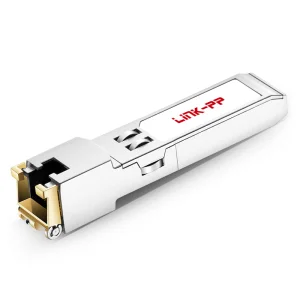
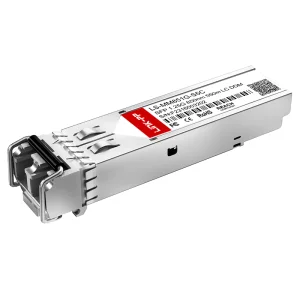
Inside high-density server racks, SFP+ transceivers and high-speed RJ45 connectors support top-of-rack (ToR) switch links. These components facilitate low-latency communication between storage arrays and servers without data bottlenecking.
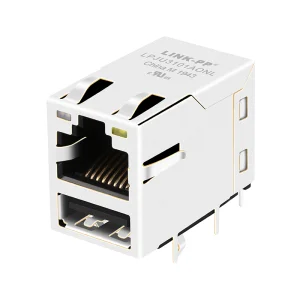
Industrial environments are subject to severe mechanical vibrations, temperature swings, and electromagnetic noise. Shielded RJ45 PCB jacks with integrated magnetics ensure stable communication for PLCs, robotic arms, and factory sensors.
Outdoor telecom equipment, municipal smart lighting controllers, and base stations utilize ruggedized, CE-certified RJ45 bridge connectors. These connectors support PoE transmission while protecting sensitive electronics from electrical transients.
Expert insights addressing key design, engineering, and compliance questions for network hardware purchasers.
Optimize your infrastructure with our high-speed optical transceivers, shielded connector cages, and vertical magnetic jacks.