The QSFP28 transceiver stands at the forefront of high-speed data communication technology. This compact device plays a crucial role in data centers and high-performance computing networks. John Smith, a leading expert in optical communications, states, "The QSFP28 transceiver is a game changer for bandwidth demands." His insights reflect the transformative impact of this technology.
In recent years, the demand for faster data transmission has surged. As cloud services expand, traditional connections struggle to keep pace. The QSFP28 transceiver addresses this need by supporting up to 100 Gbps speeds, making it essential for modern networks. Its design facilitates easy integration into existing infrastructures.
While many celebrate the advantages, it's essential to acknowledge potential challenges. Not all systems are compatible with QSFP28 transceivers. Upgrading infrastructure may require significant investment. Understanding these factors is crucial for organizations considering this technology. In a rapidly evolving digital landscape, the QSFP28 transceiver is more than just a tool—it’s a necessity for future-proofing connectivity.
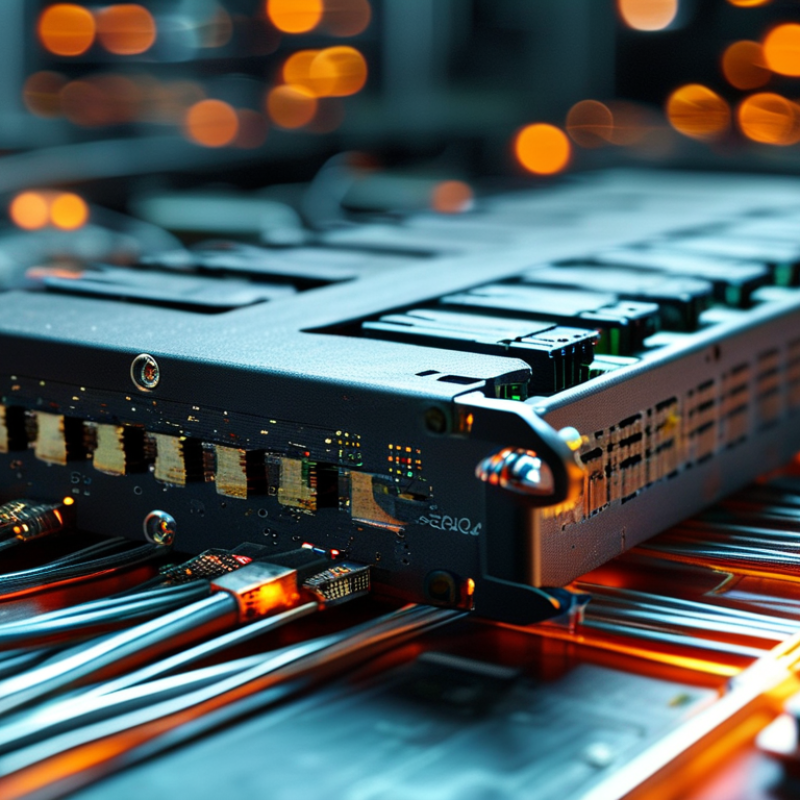
Understanding QSFP28 Transceiver: Definition and Overview
The QSFP28 transceiver is a vital component in modern data centers and high-performance networks. It is designed to support 100G optical transmission, enabling faster and more efficient data transfer. With its capability of transmitting data over a short or long range, this transceiver enhances connectivity for various applications, including cloud computing and big data analytics.
Tips: Always check compatibility before making any purchases. This ensures that the transceiver will work seamlessly within your existing network setup.
Understanding how QSFP28 transceivers work can help businesses optimize their network infrastructure. These devices use four parallel fibers for transmitting data. This design improves bandwidth while maintaining low latency. However, improper installation or configuration can lead to performance issues. Regular testing and monitoring are essential for maintaining optimal operation.
Tips: Keep up with industry standards and updates. This will help you stay informed about any advancements related to QSFP28 technology.
The QSFP28 transceiver is more than just a data transmission tool. It plays a significant role in future-proofing your network. Consider future demands when integrating it into your system. Being proactive can save time and resources down the line.
The Importance of QSFP28 in Modern Networking Solutions
In modern networking environments, the QSFP28 transceiver plays a crucial role. This compact module supports 100 Gbps data rates, making it ideal for data centers and enterprise networks. According to a recent report by the International Data Corporation (IDC), the demand for high-speed interconnects is projected to grow by over 30% annually. This reflects an increasing need for bandwidth as applications such as cloud computing and big data analytics evolve.
The QSFP28 operates in a highly efficient manner, which is critical for high-density applications. It consumes less power, typically around 3.5 watts per port, making it a green solution in terms of power efficiency. The LightCounting market report indicates that QSFP28 will dominate the optical transceiver market, potentially reaching a value of $3 billion by 2025. This growth highlights its importance in maintaining network performance while managing operational costs.
However, implementing QSFP28 comes with challenges. Users may encounter complexities in compatibility and configuration. Ensuring network hardware is compatible with QSFP28 can be a hurdle for some IT departments. Moreover, there is the ongoing concern with optical signal degradation over distance. These aspects require careful planning and expertise. Despite these hurdles, the benefits of QSFP28 in enhancing data throughput and scalability cannot be overlooked.
Bandwidth Comparison of QSFP28 vs Other Transceivers
The chart above illustrates the bandwidth capabilities of the QSFP28 transceiver compared to other common transceiver types. The QSFP28 supports up to 100 Gbps, making it highly suitable for modern networking needs where high-speed data transfer is critical.
Key Features and Specifications of QSFP28 Transceivers
QSFP28 transceivers are vital components in high-speed networking. They are widely used in data centers and enterprise networks. Offering a data rate of 100 Gbps, they support various protocols, ensuring compatibility with advanced network infrastructures.
These transceivers boast several key features. They operate over distances of up to 10 kilometers with single-mode fiber. They can also transmit over shorter distances using multimode fiber. Their hot-swappable design allows easy replacement without disrupting operations. This flexibility makes them a popular choice for network upgrades.
Tips: When selecting a QSFP28 transceiver, consider both compatibility and distance requirements. Each type can have specific limitations based on the environment. It’s essential to double-check technical specifications before purchase.
Moreover, ensuring proper cooling is crucial. High speeds generate heat, which can affect performance and longevity. A well-ventilated environment can prolong the life of your transceivers. Remember to evaluate your network needs before making investment choices. Not every situation requires the high capacity that QSFP28 offers.
Applications of QSFP28 Transceivers in Data Centers
In modern data centers, bandwidth is critical. QSFP28 transceivers provide a reliable solution for high-speed data transmission. They support up to 100 Gbps, making them ideal for high-demand environments. Data centers rely on these transceivers for efficient data handling. This technology is becoming essential as data traffic continues to grow.
However, not all applications are suited for QSFP28. It’s important to evaluate your specific needs. For example, consider the types of workloads your data center handles. High-frequency trading, cloud computing, and large databases can greatly benefit from QSFP28's capabilities. Ensure your infrastructure supports the required connectivity and power needs.
Tip: Always monitor the temperature levels in your data center. QSFP28 components can heat up under heavy loads. Implementing proper cooling solutions can enhance performance and longevity. When planning an upgrade, be mindful of compatibility with existing hardware. Proper planning saves time and resources.
Tip: Keep an eye on industry standards. Technology evolves rapidly. Staying informed helps in making better decisions for your data center’s future.
What is QSFP28 Transceiver and Why Do You Need It? - Applications of QSFP28 Transceivers in Data Centers
| Feature |
Description |
Application Areas |
Benefits |
| Data Rate |
Supports up to 100 Gbps |
High-performance computing |
High bandwidth capabilities |
| Connector Type |
MTP/MPO or LC |
Data center interconnections |
Flexibility in cabling |
| Distance |
Up to 10 km for multi-mode |
Cloud services |
Long-distance transmission |
| Protocol Support |
Ethernet, FC, InfiniBand |
Enterprise networks |
Compatibility with various network types |
| Acceptance |
Widely adopted in modern data centers |
Colocation facilities |
Future-proof solutions |
Comparative Analysis: QSFP28 vs. Other Transceiver Types
When we compare QSFP28 to other transceiver types, several factors come into play. QSFP28 stands out for its high-speed capabilities, reaching up to 100 Gbps. This makes it ideal for data centers and high-performance computing environments. In contrast, SFP and SFP28 transceivers typically offer lower data rates. They usually support only up to 25 Gbps, which may not suffice for bandwidth-hungry applications.
Layering the technical aspects, QSFP28 uses advanced technologies like PAM4 signaling. This allows for more efficient data transmission over a single fiber line. However, it can introduce complexity in implementation. Compared to QSFP+ and other legacy models, QSFP28 requires careful assessment of cabling and infrastructure. While some industries might benefit from older transceivers due to their simplicity and lower cost, these can lead to bottlenecks in high-demand scenarios. Users must evaluate their specific needs.
The disparity in cost also warrants consideration. QSFP28 might come at a higher initial price. Yet, its longevity and efficiency could offset this concern over time. For those in rapidly evolving tech landscapes, investing in QSFP28 could provide future-proofing benefits. Hence, while one may appreciate the lower cost of other types, they might miss out on essential capabilities necessary for growth.
FAQS
: They are vital in high-speed networking, especially in data centers and enterprise networks.
They offer a data rate of 100 Gbps, suitable for high-demand environments.
They can operate over distances up to 10 kilometers with single-mode fiber.
High speeds generate heat, affecting performance and longevity. Good ventilation is essential.
Compatibility with existing equipment and distance requirements are crucial for selection.
Yes, they can heat up, so monitoring temperature levels is important for performance.
It uses PAM4 signaling, which promotes efficient data transfer over a single fiber line.
No, it's vital to evaluate specific needs as not all workloads require such high capacity.
They can be more complex to implement compared to older models, requiring careful planning.
Yes, they may have a higher upfront cost, but efficiency could justify the investment over time.
Conclusion
The QSFP28 transceiver is a high-performance optical module designed for data communication applications, providing a significant boost in bandwidth and efficiency in modern networking solutions. With a capability of up to 100 Gbps, the QSFP28 transceiver plays a crucial role in supporting increasing data traffic in data centers and enterprise networks.
Key features include its compact form factor, excellent thermal efficiency, and compatibility with existing infrastructure, which make it an ideal choice for network operators. Its applications are prevalent in data centers, where high-speed data transfer is essential. In comparison to other transceiver types, such as SFP+ or QSFP+, the QSFP28 transceiver offers superior performance and scalability, making it a preferred option for next-generation networking needs.
 OptiLinker
