OptiLinker OptiLinker

2026 How to Choose the Best 800G Optical Transceiver?

Time:2026-07-29 Author:Mason
0%

In an ever-evolving digital landscape, choosing the right 800G optical transceiver is crucial. This component is at the heart of modern high-speed data communication networks. With increasing demands for bandwidth, organizations must ensure they select the best options available.

An 800G optical transceiver not only impacts speed but also energy efficiency and performance. The market offers various models, each with its unique features, advantages, and limitations. Understanding these aspects is essential for informed decision-making. Many buyers feel overwhelmed by the sheer number of choices and specifications.

Real-world experiences reveal that selecting an inappropriate transceiver can lead to network inefficiencies. Factors like compatibility, distance, and budget all play a role. It's important to reflect on these elements carefully. Ultimately, a thoughtful approach leads to a more robust and high-performing network infrastructure.
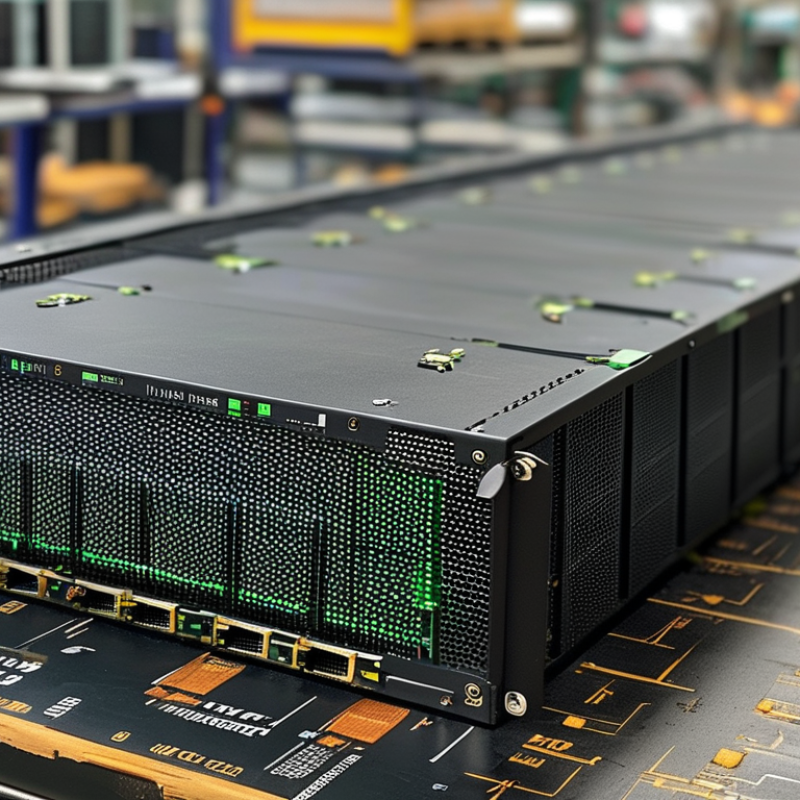
2026 How to Choose the Best 800G Optical Transceiver?

Understanding the Basics of 800G Optical Transceivers

Understanding the basics of 800G optical transceivers is crucial for modern data centers. These high-speed devices transmit data over fiber optics. They operate at significant distances and meet the increasing demand for bandwidth. Knowing their capabilities helps in making informed choices.

When selecting an 800G optical transceiver, consider specifications like transmission distance and power consumption. Different applications require different features. For example, some transceivers excel in short-range applications, while others are optimized for long-range connectivity. Evaluating these details ensures that the chosen transceiver meets specific network requirements.

Not all optical transceivers are created equal. Performance may vary depending on the manufacturer and technology used. It's tempting to choose based solely on price. However, this may lead to future limitations or compatibility issues. Explore the trade-offs between cost and quality. Balancing these factors is key to making a reliable investment in your optical network infrastructure.

Key Specifications to Consider for 800G Transceivers

When selecting an 800G optical transceiver, understanding the key specifications is crucial. Bandwidth is a primary factor. An 800G transceiver offers high-speed data transmission. It utilizes advanced modulation formats for optimal performance. Pay attention to the reach of the transceiver. Some are designed for short distances, while others support long-haul applications. Choose one that fits your network's needs.

Additionally, consider power consumption. An efficient transceiver can lower operational costs. When evaluating options, check the power budget. Performance under varying conditions is also important. Look for transceivers that can handle temperature fluctuations. Testing in real-world environments reveals essential insights about reliability.

Compatibility with existing infrastructure matters too. Ensure that the transceiver integrates seamlessly with your current system. Mismatched components can lead to performance issues. Think about what your future network may require. Flexibility can enhance long-term viability. Thoroughly analyze these various specifications before making a decision. This approach will lead to a more informed purchase.

Different Types of 800G Optical Transceivers and Their Applications

The landscape of optical transceivers is evolving, with 800G solutions at the forefront. Various types are available, each designed for specific applications. One common type is the 800G coherent optical transceiver. These transceivers are widely used in long-distance data transmission. They utilize advanced modulation formats, allowing for high efficiency. According to industry reports, coherent transceivers can achieve over 100 km of reach with minimal signal degradation.

Another type is the 800G short-reach optical transceiver. These are suited for data centers requiring high bandwidth over shorter distances. They typically operate up to 150 meters and are cost-effective for in-rack connections. Data shows that short-reach transceivers are essential for meeting the demands of cloud services, with bandwidth requirements growing by over 30% annually.

Each type has its unique role and limitations. The selection process must consider factors like distance, data rate, and system compatibility. It is crucial to align transceiver types with specific network needs. Continuous advancements bring new challenges, emphasizing the need for ongoing assessment and adjustments in technology strategies.

2026 Optical Transceiver Market Analysis

Evaluating Performance Metrics in 800G Transceiver Selection

When selecting an 800G optical transceiver, performance metrics are crucial. These metrics directly impact the network's efficiency and reliability. Among the most critical factors are optical reach, data rate, and power consumption. According to industry reports, transceivers with higher data rates provide better bandwidth but may have increased power demands. The trade-off between performance and energy efficiency is a recurring theme in this market.

Optical reach is another significant parameter. Many 800G solutions vary in reach capability, impacting overall network design. A study found that transceivers with maximum reach up to 400 km are becoming more common. This enables long-distance communication without signal degradation. However, the complexity of installation and cost must be weighed against these benefits.

Network operators also must consider latency. Latency impacts user experience and application performance. Research indicates that lower latency rates can lead to higher customer satisfaction. Yet, achieving low latency often requires sacrificing some degree of power efficiency. Operators should reflect on their specific needs to find the right balance. A thorough evaluation of these factors can lead to informed decisions that optimize performance while controlling costs.

Future Trends and Innovations in 800G Optical Transceivers

In recent years, 800G optical transceivers have gained significant attention. They are essential for high-speed data transmission in various applications. The future trends in this technology are promising, driven by the need for faster networks. Innovations are focusing on enhancing bandwidth and lowering power consumption. Researchers are exploring advanced modulation techniques that can significantly increase data rates while maintaining signal integrity.

Tips for choosing the right transceiver include assessing your specific network needs. Understand your bandwidth requirements and consider future growth. It's crucial to evaluate compatibility with existing equipment. Look for transceivers that support flexible configurations and diverse applications. This can provide adaptability for evolving technologies, which is fundamental in a fast-paced digital landscape.

Moreover, security and reliability are paramount. As optical networks evolve, concerns about data integrity grow. Adopting products with advanced error-correction algorithms can enhance performance. A comprehensive understanding of emerging standards is vital for making informed decisions. Balancing innovation with reliability will be the key to navigating the 800G landscape effectively.

FAQS

: What are the key performance metrics for selecting an 800G optical transceiver?

: Important metrics include optical reach, data rate, and power consumption that impact efficiency and reliability.

How does data rate affect network performance?

Higher data rates improve bandwidth but may increase power demands, creating a trade-off between performance and energy efficiency.

What is the significance of optical reach in transceivers?

Optical reach determines long-distance communication capability. Solutions can reach up to 400 km, reducing signal degradation.

How does latency influence user experience?

Lower latency leads to improved satisfaction. However, achieving this may require compromising power efficiency, which should be carefully considered.

What factors should be considered when choosing a transceiver?

Assess network needs, bandwidth requirements, future growth, and compatibility with existing equipment before making a decision.

Why is security important in optical networks?

As technology evolves, data integrity becomes a concern. Using products with advanced error-correction can enhance security and reliability.

How can advanced modulation techniques benefit transceiver performance?

These techniques can significantly boost data rates while preserving signal integrity, making them vital for future innovations.

What role does adaptability play in selecting transceivers?

Look for flexible configurations to ensure compatibility with evolving technologies, which is crucial in a fast-paced digital landscape.

Why should operators reflect on their specific needs?

Tailoring solutions to unique requirements ensures that performance is optimized without unnecessary costs or inefficiencies.

What is a common challenge in achieving low latency?

Often, lower latency may require energy trade-offs, leading to increased power consumption, which necessitates careful balancing.

Conclusion

The article "2026 How to Choose the Best 800G Optical Transceiver?" provides a comprehensive guide to selecting the most suitable 800G optical transceiver for various networking needs. It begins by elucidating the fundamentals of 800G optical transceivers, highlighting their importance in high-speed data transmission. The piece outlines critical specifications that one must consider, such as bandwidth, reach, and power consumption, while also discussing the different types of transceivers and their specific applications across various industries.

Furthermore, the article emphasizes the importance of evaluating performance metrics like latency and error rates during the selection process. Lastly, it explores emerging trends and innovations that are likely to shape the future of 800G optical transceivers, suggesting that continuous advancements will enhance performance and foster increased reliability in network communications. This comprehensive approach enables readers to make informed decisions regarding their 800G optical transceiver choices.

Mason

Mason

Mason is a seasoned marketing professional with a deep expertise in the company's offerings and a passion for driving brand awareness. With a strong background in digital marketing strategies, he has an innate ability to connect with diverse audiences and effectively communicate product benefits.......