OptiLinker
When selecting a QSFP-DD transceiver for your network, expertise is crucial. Mark Thompson, a leading figure in optical networking, once said, "Choosing the right transceiver can greatly impact network performance." This statement underscores the importance of careful selection in today’s data-driven world.
The QSFP-DD transceiver offers high-speed data transmission while maintaining flexibility. Understanding your network's specific needs is vital. Factors such as bandwidth, distance, and compatibility can influence your choice. Without attention to detail, you may encounter performance issues or compatibility failures. Many have faced challenges when they overlooked these aspects.
Innovation in QSFP-DD technology means options are plentiful. However, this can lead to confusion. Be cautious and rely on knowledgeable vendors. A well-chosen transceiver not only enhances functionality but also supports future growth. Taking the time to evaluate all available options ensures your network remains robust and efficient.
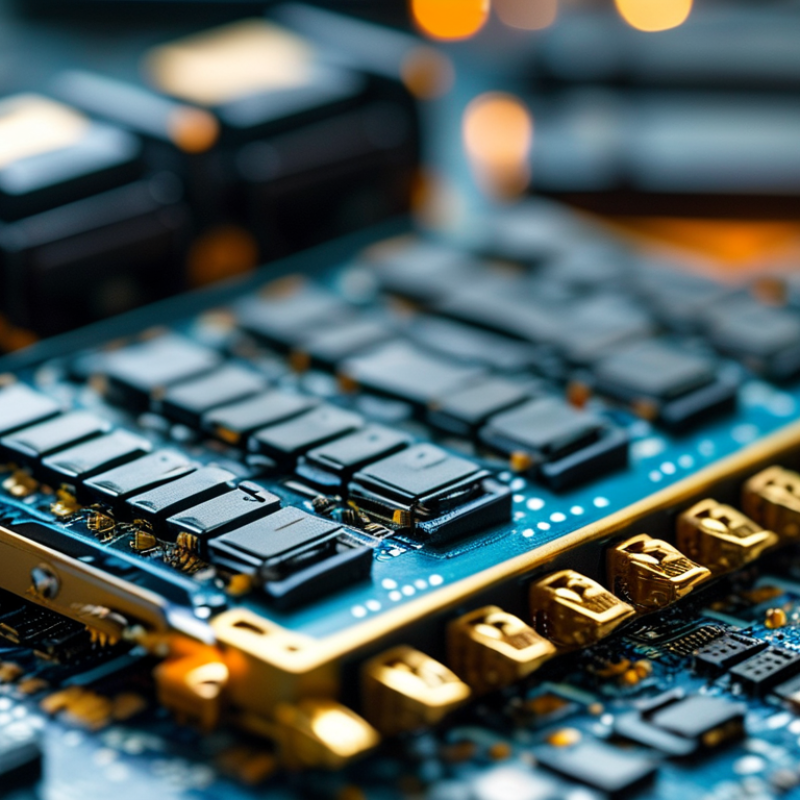
QSFP-DD transceivers play a crucial role in modern networking. They offer high data rates while ensuring energy efficiency and compact design. Understanding their functionality is essential for network reliability. These transceivers support a variety of applications, from data centers to enterprise networks. They facilitate high-speed data transfer and enhance overall communication.
When selecting a QSFP-DD transceiver, potential issues may arise. Compatibility with existing systems is vital. Not every transceiver will work seamlessly with your infrastructure. Also, consider the distance requirements. Some transceivers are meant for short-range connections, while others excel in longer distances. Assess these factors carefully to avoid performance drop-offs.
The importance of quality cannot be overstated. Poorly chosen transceivers can lead to network instability. This may result in packet loss or latency issues. Reflect on your network's specific needs. Prioritize reliability and efficiency. Engage with trustworthy sources of information to inform your choices. Experience tells us that informed decisions lead to a robust network.
When selecting the best QSFP-DD transceiver, certain specifications are crucial. Firstly, bandwidth is a key factor. QSFP-DD transceivers typically support data rates up to 400 Gbps. Choosing one with adequate bandwidth is essential for future-proofing your network.
Another important specification is reach. Different applications may require various distances. For example, some transceivers are optimized for short-range connections, while others are built for long-haul links. Evaluate your network's physical layout and traffic demands to ensure compatibility.
Temperature tolerance should not be overlooked. Transceivers operate in various environments. Operating conditions can affect performance and reliability. Understanding your temperature requirements can prevent costly downtime due to device failures. By focusing on these specifications, you can make informed choices for your network.
When selecting QSFP-DD transceivers, understanding the market's various options is crucial. These transceivers support high-speed data transfer, typically ranging from 100 Gbps to 400 Gbps. The wider bandwidth capabilities are essential for data centers and enterprises requiring efficient connectivity. According to a report by MarketsandMarkets, the QSFP-DD transceiver market is expected to grow significantly, driven by rising demands for cloud services and advanced networking solutions.
Different types of QSFP-DD models exist, including those designed for short-range and long-range applications. For instance, multimode transceivers excel in short-range data center connections, while single-mode options are critical for longer distances. An aspect worth noting is power consumption; higher speeds often lead to increased energy use. Sometimes, that trade-off might not justify the benefits. Examine your network's specific needs carefully.
Tips: Always check compatibility with existing infrastructures. Prioritize transceivers that align with your operational parameters. Monitor new industry trends, as advancements can impact the performance of your network. Understanding the broader implications of your choices can help prevent costly mistakes later on.
When selecting a QSFP-DD transceiver, assessing vendor reliability is crucial. A trustworthy vendor ensures consistent performance and quality. This reliability often stems from years of experience and specialization in the industry. Knowledgeable vendors offer credible insights into product specifications, making your decision easier.
Support services should also be a key consideration. Effective support can mean the difference between seamless integration and prolonged downtime. Vendors with dedicated support teams are more likely to assist with troubleshooting and installation issues. Researching feedback from existing customers can unveil whether a vendor truly offers reliable support.
Look for certifications and compliance with industry standards while evaluating vendors. These indicators reflect a commitment to quality and safety. It's essential to stay vigilant and question the claims of potential suppliers. Relying solely on marketing materials can lead to disappointing choices. Investing time in vendor evaluation can save you from future headaches.
The QSFP-DD technology is evolving rapidly. With the demand for higher bandwidth, networks require more efficient transceivers. Future needs will focus on reliability and energy efficiency. As data centers expand, speed and power consumption become critical factors. Choosing a transceiver isn't just about compatibility; it's about future-proofing your network.
Emerging trends include higher data rates and increased versatility. Sites may need multi-rate support to adapt to varying demands. The focus is shifting towards not just performance but also cost savings. Evaluating thermal management is another key aspect. Overheating can lead to network failures.
Enhanced specifications will also dictate choices. Consumers may need to consider optical reach and power budgets. Not every transceiver meets these evolving needs. A thorough understanding of these complexities will play a vital role in selection. Balancing performance with practical requirements will shape the future of QSFP-DD technology.
: QSFP-DD transceivers are essential devices in networking, providing high data rates and energy efficiency.
Compatibility ensures seamless integration with existing systems and avoids performance issues.
No, some transceivers are designed for short-range, while others support longer distances.
Poor choices can result in network instability, causing packet loss and latency issues.
Reliability and energy efficiency are crucial factors to consider when selecting transceivers.
Higher data rates often lead to increased power consumption, which may sometimes outweigh benefits.
Future trends include higher data rates, versatility, and the need for efficiency and cost-effectiveness.
Overheating can cause failures and negatively impact network performance.
Understanding specifications helps in selecting the right transceiver for evolving network needs.
Proper thermal management can reduce the risk of network failures due to overheating.
Selecting the appropriate QSFP-DD transceiver is crucial for optimizing network performance. QSFP-DD transceivers are vital in high-speed networking environments, offering enhanced bandwidth and flexibility. When choosing a QSFP-DD transceiver, it is essential to consider key specifications, such as data rate, distance, and power consumption, to ensure compatibility with existing network infrastructure.
Additionally, comparing various types of QSFP-DD transceivers available on the market can help identify the best fit for specific networking needs. It's also important to evaluate vendor reliability and support, as this can significantly impact the longevity and efficiency of the transceiver in operations. Lastly, staying informed about future trends in QSFP-DD technology can provide insights into evolving networking demands, enabling informed decision-making for long-term network growth and sustainability.
