 OptiLinker
OptiLinker
OptiLinker
Choosing the right optical transceiver manufacturer can significantly impact the performance of your network. The global optical transceiver market was valued at approximately $2.57 billion in 2022 and is expected to grow significantly, as demand for high-speed data transmission increases. With advancements in technology and the rise of data centers, selecting a reliable manufacturer becomes crucial.
When evaluating potential manufacturers, consider their experience in the industry. Companies with a proven track record often offer better reliability. A manufacturer’s ability to provide consistent quality can reflect their overall expertise. Reports indicate that quality issues can lead to network downtime, which can cost organizations hundreds of thousands of dollars annually.
Moreover, it is vital to assess the certifications and compliance standards of the optical transceiver manufacturer. This ensures that the products meet industry regulations and function optimally in various environments. However, some manufacturers may have impressive certifications but lack real-world performance data. Researching user reviews and case studies can offer insights into product reliability and performance, contributing to a more informed decision.
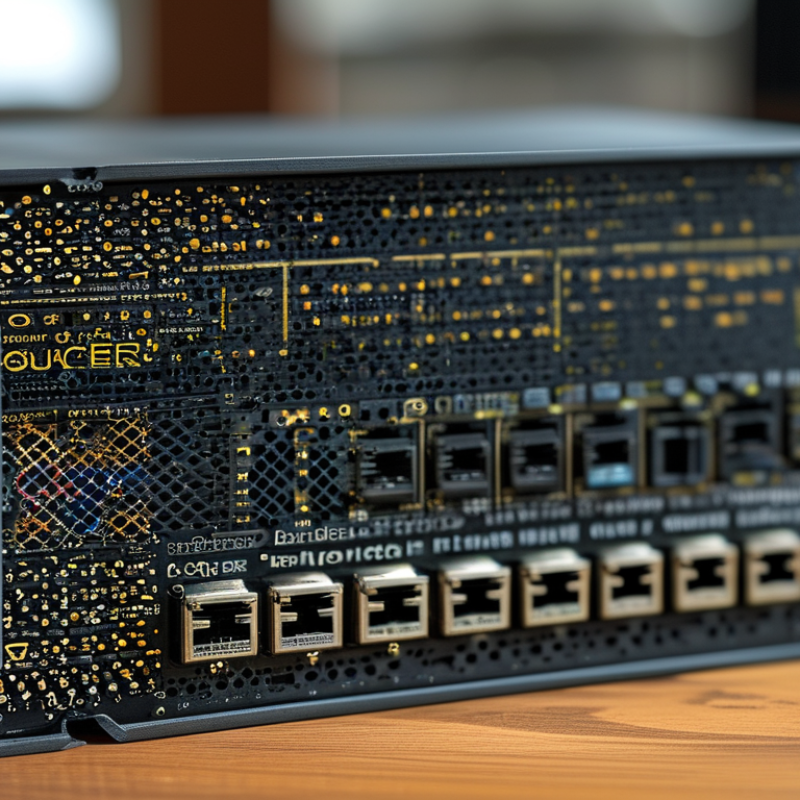
Optical transceivers play a crucial role in modern networking. They convert electrical signals into optical signals, enabling high-speed data transmission across fiber optic networks. According to a recent report by the International Data Corporation (IDC), the demand for high-capacity networks is increasing, with global data traffic expected to grow by over 20% annually. This places even greater importance on selecting a reliable optical transceiver.
As networks evolve, so do the technologies behind optical transceivers. The latest developments include enhanced data rates and improved energy efficiency. Research from the Telecommunications Industry Association (TIA) indicates that optical transceivers can reduce latency significantly. However, not all products deliver the same reliability and performance. Buyers should be cautious and examine manufacturer certifications, testing processes, and customer reviews.
Understanding the specifications of optical transceivers is essential. Key factors include compatibility with existing systems and the types of connectors used. Some transceivers perform better than others under varying environmental conditions. The future of networking hinges on the integrity of these components. Selecting the right manufacturer is vital, as it can impact overall network performance. Keeping these elements in mind can lead to informed decisions and improved network reliability.
| Feature | Description | Importance Level | Considerations |
|---|---|---|---|
| Product Range | Variety of optical transceivers offered (e.g., SFP, SFP+, QSFP). | High | Ensure the manufacturer has the specific types you need. |
| Quality Standards | Compliance with industry standards (e.g., ISO, CE). | Very High | Verify certifications to avoid compatibility issues. |
| Technical Support | Availability of technical assistance and guidance. | Medium | Check for accessible documentation and support teams. |
| Warranty & Service | Length and terms of warranty on transceivers. | High | Look for longer warranties and clear service terms. |
| Pricing | Cost of products in relation to market standards. | Medium | Evaluate cost-effectiveness without compromising quality. |
: Optical transceivers convert electrical signals into optical signals for high-speed data transmission.
The right transceiver ensures reliable performance and low latency in data transmission.
Examine manufacturer certifications, testing processes, and customer reviews for reliability.
Some transceivers handle temperature or humidity better, affecting overall performance.
Price is important, but low-cost options can lead to compromised quality and higher maintenance costs.
Look for a proven track record, certifications, and compliance with industry standards.
Customer reviews provide insights into manufacturer reliability and product performance.
Partnerships with reputable tech firms can indicate a commitment to quality and innovation.
Engage with the support team to assess their responsiveness and knowledge.
It may lead to frequent failures and higher costs over time, which can be frustrating.
When selecting the best optical transceiver manufacturer, it's crucial to understand the vital role these components play in networking. Optical transceivers are essential for high-speed data transmission and can significantly impact network performance. Key factors to consider when choosing a manufacturer include their adherence to quality certifications and industry standards, which ensure reliable performance.
Additionally, evaluating the level of technical support and customer service can help ensure that the manufacturer assists effectively in case of issues or queries. Lastly, it's important to compare cost versus performance across different manufacturers to find a balance that meets your specific networking needs without compromising on quality. By taking these factors into account, you can make an informed decision that aligns with your networking requirements.
