OptiLinker
In the rapidly evolving digital landscape, the demand for high-speed data transmission continues to grow. One crucial component in this transformation is the 400G optical transceiver. It plays a pivotal role in enhancing network performance and meeting the increasing bandwidth requirements of enterprises worldwide. As global buyers seek reliable solutions, understanding the features and specifications of the best 400G optical transceivers becomes essential.
This guide is designed to provide insights into the leading options available within the Chinese market. China's advancements in optical technologies have positioned it as a significant player in this field. However, amid this abundance, some challenges persist. Not all products meet international standards, and buyers must exercise caution. It’s vital to evaluate the quality and reliability of each 400G optical transceiver thoroughly.
Investing in the right transceiver can dramatically impact network performance. Therefore, having a knowledgeable reference is crucial for making informed decisions. This guide aims to offer valuable expertise and practical insights for global buyers to navigate the complexities of selecting the right 400G optical transceiver.
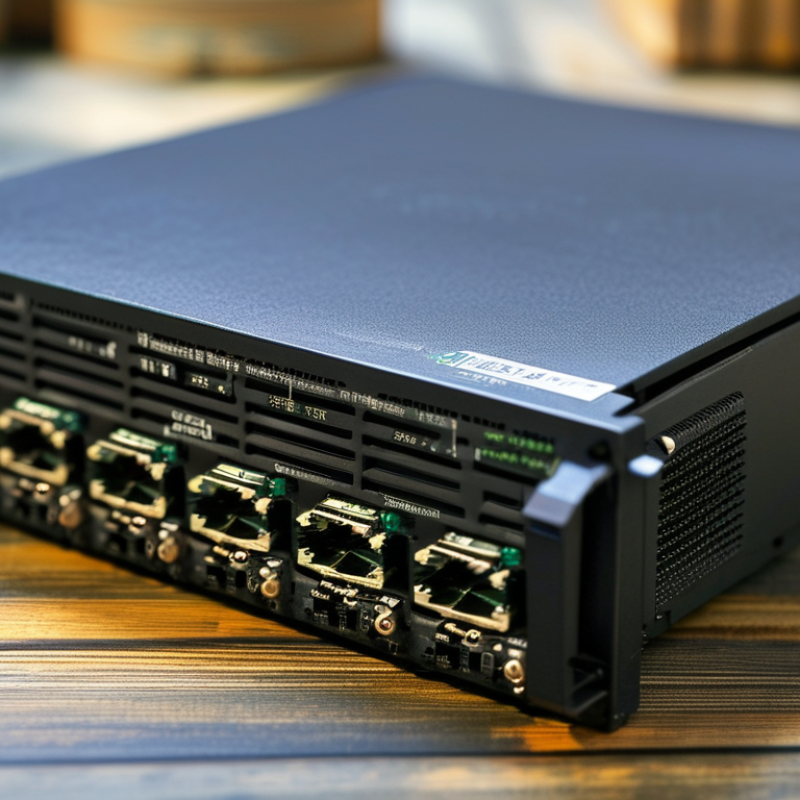
The demand for 400G optical transceivers is increasing in China and worldwide. This surge reflects the growing need for higher data rates and improved network performance. In China, companies are investing significantly in research and development to enhance their optical transceiver capabilities.
Moreover, the landscape of 400G optical transceivers in China is quite diverse. Many manufacturers are focusing on energy efficiency and compact designs. These designs help in managing the heat generated during high-speed data transmission. However, quality control remains a challenge. Some products struggle with reliability, impacting long-term performance.
The competitive nature of the market encourages continuous innovation. Many firms are exploring advanced technologies, such as silicon photonics. However, not all innovations translate into market readiness. Some products may fall short of expectations. Buyers should conduct thorough assessments before making decisions, ensuring they choose transceivers that meet their specific needs.
China has emerged as a key player in the 400G optical transceiver market. Recent industry reports indicate that the global demand for high-speed data transmission has spurred rapid innovation in China. Major players in this sector have been investing heavily in research and development, resulting in a wider range of products that cater to diverse needs. According to the latest data from market research surveys, the 400G optical transceiver market is projected to grow significantly over the next few years, with China leading the charge.
Several key manufacturers are driving this growth. They focus on advanced technologies like coherent detection and higher modulation formats. These strategies help improve performance and meet customer requirements. The market is highly competitive, with a mix of established firms and new entrants. As businesses look for reliable suppliers, understanding these players is crucial for global buyers.
Tips: When negotiating with suppliers, focus on their technology offerings and customer support capabilities. Additionally, consider the benefits of local partnerships to enhance supply chain efficiency. Remaining aware of market trends will also ensure you select the right products.
When exploring 400G optical transceivers, understanding their technical specifications is crucial. These components enable high-speed data transmission in modern networks. Key features include wavelength diversity, density, and power consumption. Most transceivers utilize technologies like PAM4 modulation, which allows for efficient data transmission over optical fibers.
Tips: Always check compatibility with your existing network. Different systems may have varying requirements.
Focusing on metrics such as the data rate, reach, and form factor is essential. Typically, 400G transceivers support distances ranging from a few hundred meters to up to 80 kilometers. This makes them versatile for different applications. Quality transceivers will also provide detailed diagnostics to help monitor performance.
Tips: Analyze your data traffic needs before making a selection. Choosing the right model can significantly impact your network efficiency.
Additionally, reliability and durability are critical aspects to consider. Many optical transceivers are designed to operate in challenging environments. They must withstand temperature fluctuations and mechanical stress. However, it’s vital to question how these devices handle failures and what backup systems are in place.
The demand for 400G optical technology has surged globally, driven by the need for faster and more reliable data transmission. According to a report by MarketsandMarkets, the global optical transceiver market is projected to reach $16.5 billion by 2025, with a significant portion attributed to 400G technology. This is indicative of an accelerating trend as enterprises and service providers seek to upgrade their infrastructure.
As data usage soars, requiring more robust bandwidth, industries are increasingly adopting 400G transceivers. A study by the International Data Corporation (IDC) suggests that by 2024, global data consumption will reach 175 zettabytes annually. However, transitioning to 400G presents challenges. Many organizations find the cost of upgrading daunting, especially in competitive markets. There’s also a steep learning curve in integrating new technologies into existing networks.
Much remains to be explored regarding interoperability and standards in the 400G landscape. It's crucial for companies to collaborate and share insights. The future will hinge on collective innovation and the ability to address these hurdles effectively. Success will not just depend on technology but also on strategic partnerships and agility in response to market shifts.
When selecting the right 400G optical transceiver, a few key factors should guide your decision. First, consider compatibility. Ensure that the transceiver aligns with your existing network equipment. Different systems may have specific requirements. Mismatched components can lead to unexpected issues and performance drops.
Another important factor is power consumption. Look for transceivers that offer efficient power usage. This consideration not only helps in reducing operational costs but also minimizes heat generation. Less heat may lead to improved reliability and longevity of your network.
Tips: Evaluate the technical specifications thoroughly. Check for range, transmission distance, and connector types. Don't hesitate to ask for peer reviews. Sometimes, personal experiences from other users offer invaluable insights that data sheets can’t provide. Always start with sample units before making bulk purchases to gauge performance in your environment. Ultimately, a well-informed choice will enhance your network’s efficiency and robustness.
| Parameter | Value | Notes |
|---|---|---|
| Wavelength | 1310 nm | Standard for 400G modules |
| Transmission Distance | Up to 500m | Depends on fiber type |
| Connector Type | QSFP28 | Popular connector for high-speed optics |
| Power Consumption | < 3.5 W | Energy-efficient design |
| Modulation Format | PAM4 | Preferred for high data rates |
| Operating Temperature | -40°C to 85°C | Suitable for harsh environments |
| Compliance | RoHS, CE | Environmentally compliant |
| Certification | ISO9001 | Quality management standard |
: There is a growing need for higher data rates and improved network performance worldwide.
Quality control remains a challenge, with some products struggling with reliability over time.
It helps manage heat during high-speed data transmission and reduces operational costs.
Conduct thorough assessments, verifying compatibility and performance specifications before purchasing.
Efficient power usage minimizes heat generation and enhances long-term reliability.
No, some innovations may not meet market expectations or functional requirements.
No, peer reviews and user experiences can provide insights that technical data might miss.
It is crucial; mismatched components can lead to performance drops and unexpected issues.
Start with sample units to evaluate performance in your specific environment.
It may lead to reliability issues, impacting overall network performance and efficiency.
The article provides a comprehensive guide on 400G optical transceivers, highlighting their importance in modern communication technology. It begins with an overview of the 400G optical transceiver landscape in China, outlining the notable manufacturers and brands that dominate the market. Technical specifications and features are discussed in detail, emphasizing the advancements that make these transceivers a crucial component for high-speed data transmission.
Additionally, the article delves into market trends and the growing global demand for 400G optical technology, reflecting its significance in addressing the increasing data traffic needs. To aid buyers, it offers practical guidelines for selecting the right 400G optical transceiver, ensuring they can effectively navigate the options available in the market. This synthesis of information serves as a valuable resource for stakeholders looking to understand and invest in 400G optical transceiver technology.
