As we look ahead to 2026, the landscape of optical transceiver technology is evolving rapidly. Global buyers now face a diverse range of options tailored to their specific needs. The right optical transceiver can significantly enhance data transmission speeds and improve network reliability.
In this article, we will explore the best optical transceiver options available in the market. It is crucial for buyers to consider their unique requirements, such as distance, speed, and compatibility. Each transceiver type presents its strengths, yet none is a one-size-fits-all solution. Understanding these differences can be daunting for many.
There's also an ongoing challenge regarding quality and performance. Not all products live up to their specifications. Buyers must reflect on their existing infrastructure and future needs. Relying on trusted brands and seeking expert advice can guide better purchasing decisions. Ultimately, making informed choices about optical transceivers can lead to optimal network performance and a competitive edge.
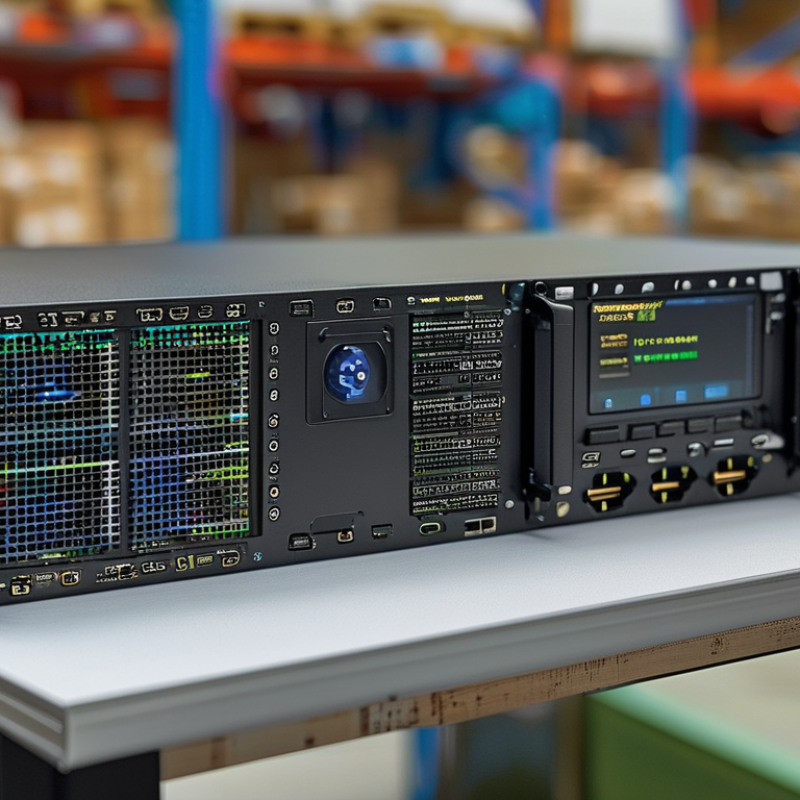
Top Trends in Optical Transceiver Technology for 2026
In 2026, optical transceiver technology is set to evolve significantly. One of the key trends is the adoption of higher data rates. Products supporting speeds up to 800G will become standard. This change is driven by the increasing demand for bandwidth. Cloud services and 5G networks push for faster data transmission.
Another trend is the integration of advanced materials. Innovations in fiber optics are enhancing performance and reliability. These materials improve signal quality and reduce power consumption. Additionally, we see a rise in AI-driven optimization. Self-tuning capabilities will help devices adapt to network conditions dynamically.
However, challenges remain. The complexity of manufacturing these advanced transceivers raises concerns. There might be supply chain issues affecting availability. Buyers need to consider compatibility with existing infrastructure. Clear communication with suppliers will be crucial in navigating these potential pitfalls.
Best Optical Transceiver Options for Global Buyers in 2026
Key Factors Influencing Optical Transceiver Selection for Global Buyers
In the ever-evolving landscape of optical transceivers, global buyers must prioritize several key factors for effective selection in 2026. One crucial element is compatibility with existing infrastructure. An estimated 70% of network failures are tied to mismatched equipment. Ensuring transceivers align with current technologies avoids costly downtimes.
Data rates and distance capabilities also significantly influence choice. Reports from industry analysts predict that optical transceivers supporting 400G speeds will dominate the market by 2026. Buyers should consider future-proofing their networks. The demand for higher bandwidth is rising exponentially, increasing the need for robust transceivers.
Tip: Always assess the total cost of ownership. Cheaper options often lead to higher long-term costs due to limited performance.
Another fundamental aspect is environmental resilience. Transceivers must function efficiently in various climates, as temperature extremes can impact performance. Industry insights suggest that products rated for higher temperature ranges may have better reliability in diverse settings.
Tip: Regularly review your equipment’s performance metrics. This helps identify any potential weaknesses before they become major issues.
Ultimately, understanding these factors can significantly streamline decision-making processes for global buyers. Investing in the right optical transceivers is essential for maintaining a competitive edge in the communication sector.
Leading Brands and Manufacturers of Optical Transceivers in 2026
In 2026, the landscape of optical transceivers is likely to evolve significantly. Many leading brands and manufacturers will play crucial roles in shaping this market. They focus on providing high-speed data transmission solutions essential for modern networks. With growing demand in data centers and telecommunications, these companies are poised to introduce innovative products.
Tips: Look for manufacturers that emphasize quality and reliability. A strong warranty can signal product durability. Additionally, researching user reviews can provide insights into customer satisfaction and potential issues.
Consider the importance of compatibility. Selecting the right transceiver for your network can be complex. It's vital to ensure that new products work seamlessly with existing systems. This can save time and costs later on. Also, factor in future scalability needs. Not all solutions may support growth. Keeping an eye on evolving technologies is essential.
The optical transceiver market presents challenges, especially for global buyers. Variations in standards and specifications may lead to confusion. Approaching the selection process with diligence can help in making informed choices. Engaging with professional networks can enhance understanding and reveal industry trends.
Comparative Analysis of Optical Transceiver Models and Specifications
In the ever-evolving world of optical transceivers, understanding various models and specifications is crucial for informed purchasing decisions. Buyers in 2026 face numerous options, each with unique features and advantages. It's essential to delve into the specifics, such as data rates, transmission distances, and compatibility with existing infrastructure.
One notable trend is the rising demand for higher bandwidth capabilities. Many models now support multi-gigabit speeds, delivering faster data transmission. However, buyers should be cautious. Not all high-speed options perform equally in different environments. Temperature, humidity, and physical placement can affect overall effectiveness. Testing in real-world settings often reveals unexpected challenges.
Tips: Always check for interoperability with your current systems. Not every transceiver is universally compatible. Additionally, consider future-proofing your investment by choosing models that support advancements like software-defined networking. Higher price tags don't always guarantee better performance; thorough research is indispensable.
Also, keep in mind that specifications can be misleading. Marketing materials often highlight peak performance, but practical use may differ. Gathering feedback from industry forums can provide insights into user experiences. Understanding the nuances of optical transceivers ensures that buyers make educated choices.
Future Outlook: The Evolution of Optical Transceivers Beyond 2026
As we venture into 2026, the optical transceiver landscape is poised for significant changes. An industry report by MarketsandMarkets suggests that the global optical transceiver market will grow from $4.7 billion in 2021 to $8.2 billion by 2026. This growth indicates a surge in demand for high-speed data communication. Companies are grappling with how to keep pace with this evolution. The challenge lies in upgrading technologies that meet both current and future demands.
Emerging trends will likely focus on higher data rates and reduced power consumption. The shift towards DR (Density Rate) technology is one notable advancement. It's expected to facilitate higher bandwidth for data centers, essential for handling increasing traffic. However, transitioning to these cutting-edge technologies is not without risks. Compatibility issues may arise as older systems struggle to integrate new solutions, leading to potential inefficiencies.
Moreover, supply chain vulnerabilities have surfaced, as highlighted in various industry analyses. Disruptions during the pandemic exposed dependencies that can affect timely product deliveries. As companies strategize for the future, they need to address these concerns. Ensuring a smooth transition to new transceiver technologies will require collaboration among stakeholders. Investing in robust supply chain management is essential for navigating uncertainties ahead.
Best Optical Transceiver Options for Global Buyers in 2026
| Transceiver Type |
Data Rate (Gbps) |
Wavelength (nm) |
Max Distance (km) |
Application |
| SFP28 |
25 |
850 |
100 |
Data Center |
| QSFP28 |
100 |
850 |
150 |
High-Speed Networking |
| CFP2 |
100 |
1310 |
400 |
Long Haul |
| SFP+ |
10 |
850 |
300 |
Enterprise |
| XFP |
10 |
1310 |
80 |
Telecommunications |
FAQS
: Higher data rates, with products reaching speeds up to 800G, will become standard.
The growth of cloud services and 5G networks drives the need for faster data transmission.
These materials enhance performance, improve signal quality, and reduce power consumption.
AI-driven optimization enables self-tuning capabilities, adapting devices to network conditions dynamically.
Manufacturing complexity and potential supply chain issues could affect availability and compatibility.
It is vital to check compatibility and consider testing in real-world settings to avoid unexpected issues.
Marketing may highlight peak performance, while actual use cases can reveal different results and challenges.
Robust supply chain management is crucial for addressing vulnerabilities and ensuring timely product deliveries.
There will likely be a focus on higher data rates and reduced power consumption in new technologies.
Future-proofing by choosing models compatible with advancements like software-defined networking is essential.
Conclusion
The article "Best Optical Transceiver Options for Global Buyers in 2026?" delves into the emerging trends in optical transceiver technology, highlighting the advancements expected in the industry for the upcoming years. Key factors influencing the selection process for global buyers include performance metrics, compatibility, and cost-effectiveness, which shape purchasing decisions.
Additionally, the piece covers a comparative analysis of various optical transceiver models and their specifications, offering insights into the top choices available in the market. Looking beyond 2026, the future outlook points to an evolution in optical transceivers, with a focus on enhancements in speed, scalability, and energy efficiency, ensuring that they meet the growing demands of data communication systems worldwide.
 OptiLinker
