OptiLinker
In today’s fast-paced networking environment, selecting the right equipment is crucial. The demand for reliable communication systems is ever-increasing. This is where the hot swappable transceiver comes into play. These devices allow seamless replacement without disrupting the entire network. This capability is essential for maintaining uptime and efficiency.
Many options exist in the market, each offering unique features. Understanding your specific network needs is vital when making a choice. Different transceivers perform better under varying conditions. It's essential to weigh performance against cost. Sometimes, the most affordable option may not provide the necessary reliability.
However, it’s important to acknowledge that not every hot swappable transceiver is perfect. Users may experience compatibility issues or fluctuating performance. Evaluating experiences from industry experts can offer valuable insights. Learning from past challenges can help you make a more informed decision. In the end, choosing the right transceiver shouldn’t just be about features, but also about long-term reliability.
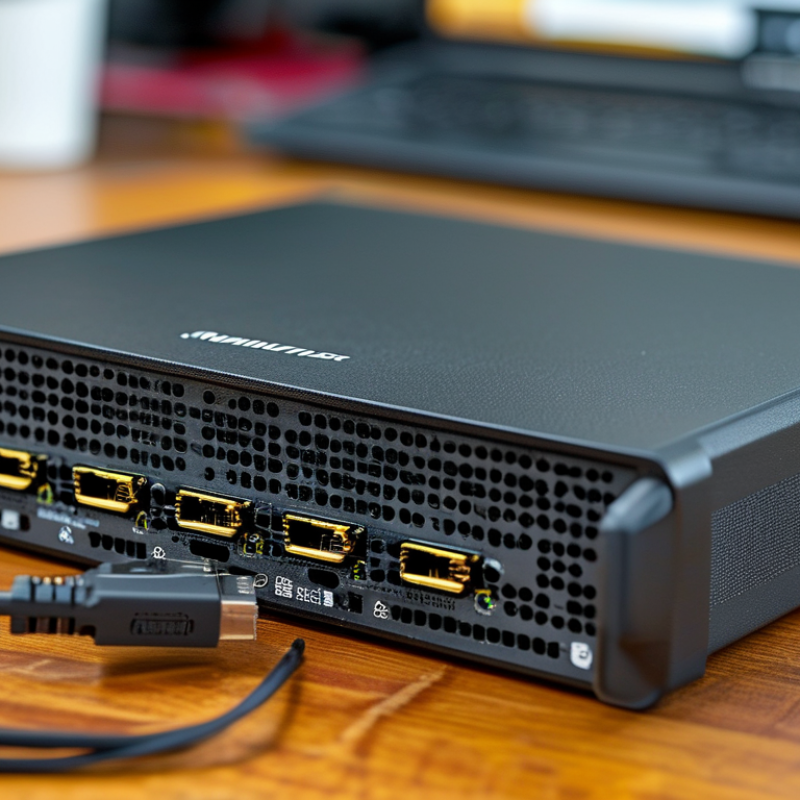
Hot swappable transceivers are essential components in modern networks. They allow administrators to change transceivers while the system is live. This feature minimizes downtime and enhances network reliability. According to a recent report by TechRadar, businesses lose an average of $5,600 per minute due to network downtime. Hot swappable options can significantly reduce these losses.
These transceivers come with varying specifications, catering to different needs. For instance, some support high data rates, making them ideal for data centers. Others focus on multi-mode applications, ensuring efficient bandwidth use. The flexibility of hot swappable designs enables customization of a network environment. Network engineers can optimize performance dynamically as needs evolve.
However, it’s crucial to assess compatibility and protocol standards. Although many devices claim hot swappability, not all meet the same performance benchmarks. Data from the Network Equipment Manufacturers Association highlights that 67% of network failures relate to improper equipment integration. Regular evaluations are necessary for maintaining an efficient network.
When selecting hot swappable transceivers, compatibility is paramount. Ensure that the transceiver works seamlessly with your existing network equipment. Check the specifications and protocols supported. This guarantees optimized performance and minimizes compatibility issues. An incompatible transceiver can lead to network failures, which often results in frustrating downtime.
Another crucial feature to consider is the data rate. Different applications may require varying speeds. Selecting a transceiver that matches your requirements ensures effective data transmission. Always consider your future needs too. Your network might expand, so investing in a high-capacity transceiver may be wise.
Don’t overlook the operating temperature range. Equipment exposed to extreme temperatures can fail prematurely. It’s vital to choose transceivers designed for your environment. Additionally, examine the warranty and support offered. Reliable manufacturers often provide robust customer service, which can be a lifesaver when unexpected issues arise. Balancing these factors will enhance your network's reliability and longevity. Each choice has implications, and reflecting on them is essential for long-term success.
In today's networking landscape, hot-swappable transceivers are becoming essential for flexibility and efficiency. The demand for these devices has surged, fueled by an increase in data traffic. According to industry reports, over 80% of network professionals consider hot-swappable transceivers crucial for reducing downtime. These components allow users to replace or upgrade devices without interrupting service, making them ideal for data centers and enterprise networks.
When selecting a hot-swappable transceiver, it is important to consider compatibility and performance. An independent study showed that compatibility issues can lead to significant inefficiencies. Four out of ten networks have faced compatibility challenges when integrating new transceivers. This can detrimentally affect network speed and reliability. It’s crucial to conduct thorough research to ensure that the transceiver meets specific needs.
Leading manufacturers offer various models designed for different applications. Performance metrics such as data transfer rates and power consumption are critical. Some models provide speeds up to 100 Gbps with minimal energy use. However, not every device will meet the performance standards required in a high-load environment. Continually evaluating the latest models ensures that your network remains reliable and efficient. Investing time in understanding these components can lead to better decisions and ultimately a more robust network.
When selecting hot swappable transceivers, it's crucial to assess your network needs carefully. Different environments demand specific capabilities. For high-speed internet, look for transceivers that can support multi-gigabit data rates. These options facilitate seamless data transfer without downtimes. However, the cost of high-performance transceivers can become a concern. Balancing price and performance is essential.
Another factor to consider is compatibility with existing hardware. Some transceivers may not interface well with older network equipment. Testing these components in your setup can help prevent unexpected disruptions. Additionally, check if the transceivers offer an adequate range before deployment. Limited distance may force unnecessary network upgrades.
User feedback and reviews can provide insight into real-world performance. However, be cautious; experiences can vary widely. Some users prioritize low latency, while others focus on energy efficiency. This divergence highlights the importance of networking needs. Analyze your infrastructure requirements thoroughly before making decisions. Finding the right fit can lead to significant long-term benefits for network reliability.
| Transceiver Type | Data Rate | Distance | Connector Type | Wavelength | Compatibility |
|---|---|---|---|---|---|
| SFP+ | 10 Gbps | 300m (MMF) | LC | 850nm | Compatible with most vendors |
| QSFP+ | 40 Gbps | 400m (MMF) | MPO | 850nm | Supports multiple vendors |
| SFP28 | 25 Gbps | 70m (MMF) | LC | 850nm | Widely compatible |
| CFP | 100 Gbps | 40km (SMF) | LC | 1550nm | Multiple vendor support |
| QSFP28 | 100 Gbps | 100m (MMF) | MPO | 850nm | Compatible with most switches |
Hot swappable transceivers have become vital in network infrastructure. They allow users to replace components without shutting down the system, ensuring minimal downtime. According to industry reports, the average network downtime costs organizations over $5,000 per hour. This highlights the importance of efficient installation and maintenance.
When installing hot swappable transceivers, ensure compatibility with existing equipment. Improper connections can lead to network failures. Use only recommended tools for installation. A clean environment is crucial; contaminants can damage sensitive components. In addition, always verify firmware before installation. Updating it can prevent compatibility issues.
Maintenance is equally essential. Regularly check the physical condition of transceivers. Look for signs of wear or damage. Dust can accumulate and affect performance, so clean them carefully. Additionally, keep track of usage metrics. Monitoring can reveal potential issues early, reducing the risk of failure. Industry studies show that proactive maintenance can reduce equipment downtime by up to 30%. Proper attention to these factors can extend the lifespan of transceivers and enhance overall network performance.
: Hot swappable transceivers allow network changes without system downtime, enhancing reliability.
They minimize downtime, potentially saving businesses thousands of dollars due to network failures.
Assess your network needs, focusing on data rates and specific capabilities required for performance.
No, compatibility with existing hardware is crucial for proper functioning and to avoid disruptions.
Many devices claim compatibility but don't meet performance benchmarks, leading to network failures.
User reviews provide insights, but experiences can differ greatly based on individual needs and systems.
Limited range can necessitate upgrades, so evaluate distance requirements before making a choice.
Yes, balancing price and performance is essential, particularly for high-performance options.
Yes, improper integration can lead to significant network failures, as highlighted by industry data.
Regular evaluations are necessary to maintain network efficiency and ensure ongoing compatibility.
Hot swappable transceivers are essential components in network systems, allowing for the seamless exchange and upgrading of communication interfaces without shutting down the entire network. Understanding their significance and functionality is crucial for network administrators seeking reliability and efficiency. When choosing the right hot swappable transceiver, key features such as compatibility, data transfer speed, and form factor must be considered to meet specific networking needs.
A comparative analysis of various models available in the market can help identify the most suitable options tailored to different requirements, whether for data centers, enterprise networks, or small businesses. Additionally, proper installation and maintenance tips are vital to ensure the longevity and optimal performance of these transceivers, enabling networks to adapt and evolve in a fast-paced technological landscape.