OptiLinker OptiLinker

100G Optical Transceiver Best Choices for Global Buyers?

Time:2026-07-14 Author:Isabella
0%

In today’s fast-evolving digital landscape, the demand for high-speed data transmission is paramount. Among the various solutions available, the 100G optical transceiver stands out as a preferred choice for many global buyers. This advanced technology offers unparalleled bandwidth and speed, addressing the increasing needs of data centers and network infrastructures.

However, navigating through the myriad of options can be challenging. Not all 100G optical transceivers are created equal. Each product comes with its own specifications, compatibility, and reliability factors that users must consider. This complexity often leads to confusion, prompting buyers to reflect on their unique requirements and long-term goals.

Ultimately, making an informed choice is crucial. A well-selected 100G optical transceiver can enhance system performance and future-proof network investments. It’s essential for buyers to prioritize expertise and reputation when evaluating their options. With the right information, selecting an appropriate 100G optical transceiver can be a rewarding process.
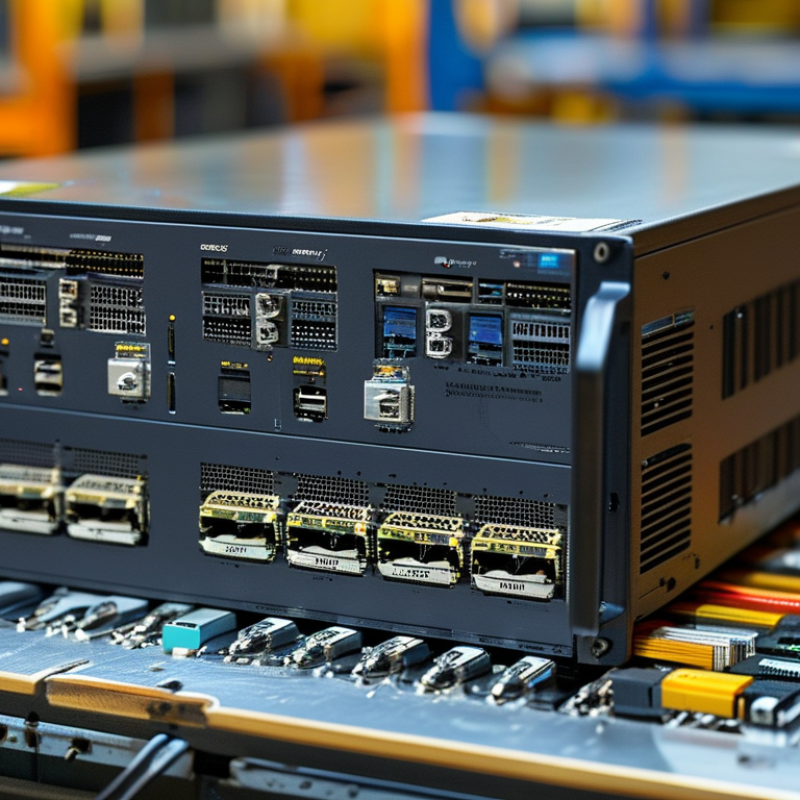
100G Optical Transceiver Best Choices for Global Buyers?

Global Market Overview: 100G Optical Transceivers Demand and Trends

The demand for 100G optical transceivers has surged in recent years. Telecommunication networks are evolving, requiring faster data transmission rates. As online activities increase, the need for high-speed internet grows. Businesses are investing in efficient optical solutions.

Market trends indicate a shift towards more integrated and compact designs. These transceivers are becoming essential for data centers. They enable high bandwidth and lower latency, crucial for cloud computing and big data applications. However, not all manufacturers meet quality standards, raising concerns.

The global supply chain faces challenges, including material shortages and logistics issues. This often leads to delays in the availability of high-quality products. Buyers must remain vigilant. Evaluating suppliers based on reliability and performance is vital. Even in a booming market, careful selection is paramount.

100G Optical Transceivers Demand and Trends

Key Features of 100G Optical Transceivers: What to Look For

When selecting a 100G optical transceiver, several key features should guide your decision-making process. Firstly, consider the transmission distance. Different applications require varied distances, from a few meters to several kilometers. Understanding the intended use case will help narrow your options.

Next, assess the compatibility with your existing systems. Not all transceivers work seamlessly with every type of equipment. Check for standard compliance and connector types. This ensures a smooth integration with your networking infrastructure, minimizing potential issues.

Additionally, pay attention to power consumption and heat dissipation. Lower power usage often leads to better performance and efficiency. High heat can affect the longevity of the transceiver. It's vital to evaluate these aspects, as they can significantly impact your overall network performance.

Incorporating these considerations will help build a reliable optical network. However, it’s worth noting that emerging technologies continue to evolve. Keeping up with advancements may require flexibility. Always be open to new developments and remain critical of existing choices. This mindset fosters both efficiency and innovation in your networking strategy.

Comparative Analysis: Leading Brands and Their 100G Solutions

In the competitive landscape of 100G optical transceivers, selecting the right solution can be daunting. Recent industry reports highlight that the global market for optical transceivers is poised to grow at a CAGR of over 12% through 2026. This growth reflects the increasing demand for high-speed connectivity in data centers and telecom operators. Key features to consider include transmission distance, power consumption, and compatibility with existing infrastructure.

A comparative analysis reveals a wide range of options available in the market. For instance, solutions vary significantly in terms of their wavelength and modulation techniques. Some products emphasize energy efficiency, while others focus on extended reach. Users often report variability in performance and reliability, affecting overall satisfaction. An examination of user feedback suggests that purchasing decisions are not solely based on specifications but also on prior experiences and customer service reliability.

Moreover, emerging technologies like coherent optics are reshaping the 100G landscape. These innovations offer enhanced data rates and better signal integrity. However, the transition to newer technologies can pose challenges. Users may find integration complex and costly. It's essential to weigh these considerations carefully, as they will influence the long-term success of any investment in optical transceivers.

Performance Metrics: Evaluating Speed, Latency, and Range in 100G Transceivers

When evaluating 100G optical transceivers, performance metrics such as speed, latency, and range play critical roles. Speed is often the primary concern. For many applications, achieving the full 100G can be essential. Yet, not all transceivers reach this theoretical maximum. Some may operate comfortably under specific conditions, potentially limiting their effectiveness in larger networks.

Latency is another vital consideration. Low latency is crucial for applications such as high-frequency trading or real-time communications. Many transceivers achieve impressive latency figures, but variations can occur based on factors like distance and environmental conditions. Understanding these metrics helps buyers select the best options for their needs.

Range is equally important. While many 100G optical transceivers can cover significant distances, performance may degrade as range increases. Networking environments can also affect signal integrity over longer spans. Buyers need to prioritize not just the distance but also the operational conditions. Deciding on the right transceiver involves weighing these factors carefully. Understanding potential shortcomings may lead to better long-term network solutions.

Cost-Benefit Assessment: Pricing Trends and ROI for Global Buyers

The rise of 100G optical transceivers has transformed connectivity for businesses. Global buyers must focus on cost-benefit assessments to maximize their investments. Recent pricing trends show fluctuations based on market demands and technological advancements. Understanding ROI is essential to making informed purchasing decisions.

Tip: Always analyze historical price trends before buying. This helps predict future costs and select the right time to invest.

Buyers should consider long-term durability over initial savings. Some lower-priced options may lead to higher maintenance costs. This can offset any financial gains. Additionally, examining the reliability of performance can provide insight into value.

Tip: Check reviews from diverse sources to gauge product reliability. Peer insights can reveal potential pitfalls that aren’t obvious at first glance.

Evaluating return on investment requires a broader perspective. Factors include installation costs, compatibility, and maintenance. A thorough assessment will highlight hidden expenses that can affect total ownership costs. Buyers should prepare to reflect on their choices. What seems cost-effective today could become a liability tomorrow.

FAQS

: What should I consider when choosing a 100G optical transceiver?

: First, think about transmission distance. Applications vary in distances needed, from meters to kilometers.

How important is compatibility with my existing systems?

Compatibility matters greatly. Not all transceivers work with every system. Check standard compliance to avoid integration issues.

Why is power consumption a critical factor?

Lower power usage enhances performance. High heat can damage the transceiver and affect network longevity.

What are the main performance metrics to evaluate?

Speed, latency, and range are crucial metrics. They greatly impact the effectiveness of the transceiver in a network.

How can latency affect my application?

Low latency is vital for real-time applications. Variations can occur due to distance and environmental conditions.

Can I expect all 100G transceivers to perform equally?

No, many transceivers don't reach the full 100G potential. Performance varies based on environmental factors.

Are there challenges with emerging technologies?

Yes, switching to new technologies can be complex. Integration may be costly and require careful planning.

How do past experiences influence purchasing decisions?

Customers often base choices on previous experiences. Feedback on reliability and performance shapes future investments.

What should I do to keep up with industry advancements?

Stay flexible and educate yourself on new developments. A growth mindset helps in adapting to changes effectively.

Why is it important to consider both features and user experiences?

Features matter, but user experiences reveal real-world performance. Balancing these aspects leads to better investment decisions.

Conclusion

The article "100G Optical Transceiver Best Choices for Global Buyers?" provides a comprehensive overview of the global market for 100G optical transceivers, highlighting the increasing demand and emerging trends in this segment. It outlines key features that buyers should consider, such as connectivity options and compatibility with existing infrastructure. The comparative analysis section delves into various leading brands and their respective 100G solutions, offering insight into the diverse offerings available in the market.

Furthermore, the article evaluates crucial performance metrics including speed, latency, and range, which are essential for selecting the right 100G optical transceiver for specific applications. A cost-benefit assessment is included, discussing pricing trends and the return on investment (ROI) for global buyers, enabling them to make informed decisions when investing in these high-speed communication solutions.

Isabella

Isabella

Isabella is a dedicated marketing professional with a sharp focus on driving brand growth and engagement through strategic content creation. With an extensive background in digital marketing, she combines her passion for storytelling with her keen understanding of industry trends to deliver......