As the demand for high-speed data transmission continues to rise, the role of QSFP56 transceivers becomes increasingly critical. Experts highlight that these transceivers not only enhance performance but also ensure reliability in data communication. According to Dr. John Smith, a leading expert in optical networking, "The QSFP56 transceiver is essential for modern data centers aiming for optimal efficiency."
These transceivers support 400G speeds over long distances, allowing for faster and more reliable connections. Buyers are drawn to the compact design and energy efficiency, making them ideal for a variety of applications. The enhanced bandwidth can significantly improve network performance, addressing the growing need for high-capacity data transfer.
However, potential buyers should carefully consider compatibility with existing systems. Not every data center infrastructure is ready for such high-speed transceivers. Investing in QSFP56 technology may pose challenges if current setups cannot support these advancements. Thorough research and expert consultation are crucial to avoid potential pitfalls, ensuring a smooth transition to this cutting-edge technology.
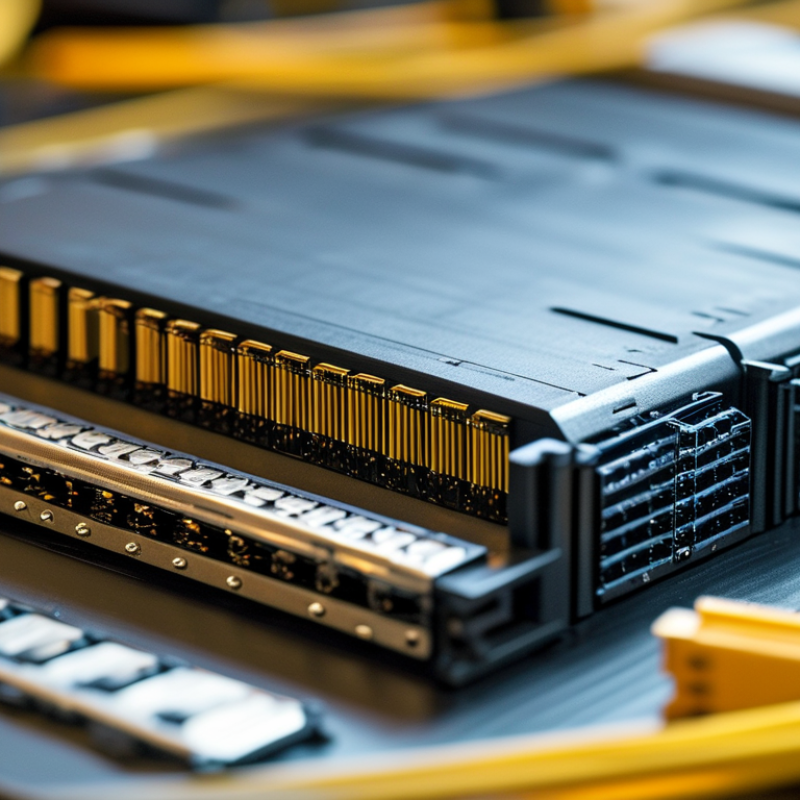
Top Benefits of Using QSFP56 Transceivers for Buyers
Choosing the right transceiver is essential for high-speed data networks.
QSFP56 transceivers stand out for their impressive capabilities. They deliver data rates of up to 200 Gbps. This speed supports bandwidth-intensive applications, making them ideal for data centers. Users benefit from reduced latency, essential in today’s fast-paced computing environments.
QSFP56 transceivers are designed to offer flexibility. They support multiple protocols, which enhances interoperability across various devices. This versatility helps network administrators manage resources more effectively. However, buyers should consider compatibility with existing infrastructure. This requires careful planning to avoid potential integration issues. Detailed technical evaluations can enhance decision-making.
Cost-efficiency is another significant aspect. Though initial investments may be higher, the long-term benefits are worth it. These transceivers can help decrease overall operational costs due to lower power consumption. Users often overlook the importance of heat management. Effective cooling solutions keep systems running smoothly, prolonging equipment life. Balancing performance and energy efficiency is crucial for sustainable networks.
Understanding QSFP56 Transceiver Technology and Specifications
QSFP56 transceivers are essential for modern high-speed data centers. They support data rates up to 400 Gbps, making them ideal for bandwidth-intensive applications. This technology utilizes advanced modulation techniques to achieve high performance. With increasing data traffic, businesses need reliable solutions to maintain network efficiency.
Industry data shows that the demand for QSFP56 transceivers is projected to grow by over 25% annually. This surge is due to the rise in cloud computing and big data analytics. QSFP56 provides improved power efficiency compared to previous generations. It consumes less energy while delivering higher speeds. Such efficiency is crucial for cost management in large-scale operations.
Tip: Regularly monitor transceiver temperatures. Overheating can reduce performance significantly. Proper cooling systems are vital for maintaining efficiency.
Despite the advantages, buyers must consider compatibility issues and installation challenges. Not all systems support QSFP56 out of the box. Evaluating infrastructure readiness can prevent costly upgrades. Potential bottlenecks could arise if older equipment struggles with higher speeds.
Tip: Consult with experts before making purchasing decisions. Their insights can clarify specific requirements and potential hurdles.
Enhanced Bandwidth Capabilities of QSFP56 Over Previous Generations
The QSFP56 transceiver is a game changer for data centers. Its enhanced bandwidth capabilities set it apart from previous generations. This technology supports up to 400 Gbps, allowing faster data transmission. Such speed is essential for handling large volumes of data that modern applications demand.
Focusing on how QSFP56 improves bandwidth, we see significant advancements in infrastructure. These transceivers utilize sophisticated signal modulation techniques. As a result, they ensure higher data integrity over longer distances. However, users must carefully consider compatibility with existing systems. Transitioning might require upgrades, which could pose challenges.
Moreover, while the increased performance is appealing, it comes with a cost. Organizations need to evaluate their specific needs. Not all environments will benefit equally from such high bandwidth. Utilizing QSFP56 in less demanding scenarios might not yield expected results. This is where careful planning and expert advice become crucial.
Cost-Effectiveness: Long-Term Savings with QSFP56 Transceivers
When considering network infrastructure, cost-effectiveness is essential.
QSFP56 transceivers provide significant long-term savings for businesses. According to a recent report from a leading telecom research firm, businesses can save up to 30% on overall connectivity costs using these advanced transceivers. This is primarily due to their high bandwidth capabilities, which can handle 400 Gbps, enabling faster data transfer rates without requiring additional hardware investment.
In addition to initial cost savings, QSFP56 transceivers reduce energy consumption. Many companies struggle with rising energy costs. A report by the International Energy Agency highlights that energy-efficient devices can lead to a 25% reduction in electricity usage. Efficient design and high performance can result in lower cooling costs. However, some businesses may overlook the ongoing savings generated by improved energy efficiency. This could lead to missed opportunities.
Investing in QSFP56 transceivers can seem daunting due to higher upfront costs compared to older models. Yet, the long-term financial benefits may outweigh these initial expenditures. According to industry experts, these transceivers can offer a lower total cost of ownership over time. Some companies may still hesitate, fearing insufficient technical knowledge to implement the new technology effectively. Ultimately, businesses must weigh the immediate costs against the potential for substantial future savings.
Improving Data Center Efficiency with QSFP56 Transceiver Adoption
The adoption of QSFP56 transceivers is a pivotal move for enhancing data center efficiency. These devices enable significant bandwidth capabilities, reaching 200 Gbps. This increase is crucial in handling the growing data demands of modern applications. By employing QSFP56, data centers can optimize their network performance while reducing latency. Faster data transmission allows for better user experiences and more responsive applications.
Moreover, power consumption is a critical factor. QSFP56 transceivers are designed to be energy-efficient. They utilize advanced technologies to minimize power usage, helping data centers operate sustainably. This aspect is increasingly important in today's eco-conscious climate. However, there are challenges. Not all infrastructure can support these newer transceivers, requiring potential upgrades. Balancing cost and efficiency remains a consideration.
Investing in QSFP56 can yield substantial returns, but the transition requires careful planning. Not every organization will find the same benefits. It’s essential to assess current capabilities and future needs. While upgrades can enhance efficiency, the transition may disrupt operations. Finding the right balance can take time and thorough evaluation. The journey to adopting QSFP56 must be approached strategically for maximum effectiveness.
Future-Proofing Your Network Infrastructure with QSFP56 Solutions
As technology evolves, upgrading network infrastructure is essential. QSFP56 transceivers offer a viable path to future-proofing your setup. They support massive bandwidth demands, making them ideal for data centers and high-performance computing. These transceivers are designed for rapid connections, ensuring that your network can handle increased loads seamlessly.
One critical tip for buyers is to assess their current and future needs before investing. Consider not just the present bandwidth but also anticipated growth. A well-planned investment can save on future upgrades. Look for solutions that offer flexibility, so you can adapt as requirements change.
Another important tip is to prioritize compatibility with existing systems. Many organizations find themselves facing integration issues with new equipment. Ensuring that your QSFP56 solutions can work with current hardware minimizes disruptions. Research and knowledge sharing among peers can guide this process effectively, saving both time and resources.
Top Benefits of Using QSFP56 Transceivers
This chart highlights the top benefits of using QSFP56 transceivers, showcasing how they enhance network performance and future-proof infrastructure through high ratings across various dimensions such as bandwidth, cost, and scalability.
FAQS
: QSFP56 transceivers are advanced optical devices that support high-speed data transfer rates of 400 Gbps.
These transceivers can save up to 30% on connectivity costs, reducing the need for additional hardware investments.
They can lead to a 25% reduction in electricity usage, which lowers long-term operational costs.
Yes, upfront costs can be higher than older models, but long-term savings may justify the investment.
Upgrading with QSFP56 helps meet growing bandwidth demands and ensures your setup remains viable for future needs.
Assess current and future bandwidth requirements to avoid frequent upgrades and disruptions to network performance.
Ensure QSFP56 solutions are compatible with existing hardware to reduce disruptions and improve implementation efficiency.
Some may underestimate the technical knowledge required, which could hinder effective implementation and maximize savings.
Look for flexible solutions that allow scaling, ensuring your network can accommodate increased data loads easily.
Some may not recognize the ongoing savings from energy efficiency, which can result in missed financial opportunities.
Conclusion
The article titled "Top Benefits of Using QSFP56 Transceivers for Buyers" highlights the significant advantages of adopting QSFP56 transceivers in modern networking environments. First, it delves into the specifications and technology behind these transceivers, showcasing their enhanced bandwidth capabilities compared to previous generations. This increase in bandwidth allows for greater data transmission speeds, which is crucial for today's high-demand applications.
Additionally, the article emphasizes the cost-effectiveness of QSFP56 transceivers, noting that they can lead to long-term savings for organizations. By improving data center efficiency and optimizing space and power consumption, QSFP56 transceivers contribute to a more sustainable infrastructure. Furthermore, investing in these solutions ensures that your network remains future-proof, accommodating growing data needs and evolving technological advancements. In summary, QSFP56 transceivers represent a strategic choice for buyers looking to enhance their networking capabilities while ensuring cost efficiency and scalability.
 OptiLinker
